Fix Low Pressure Outdoor Faucet: 5 Easy DIY Repairs
Restore strong water flow to your outdoor spigot with these proven DIY repair techniques and troubleshooting steps for homeowners.
Fix Low Pressure Outdoor Faucet
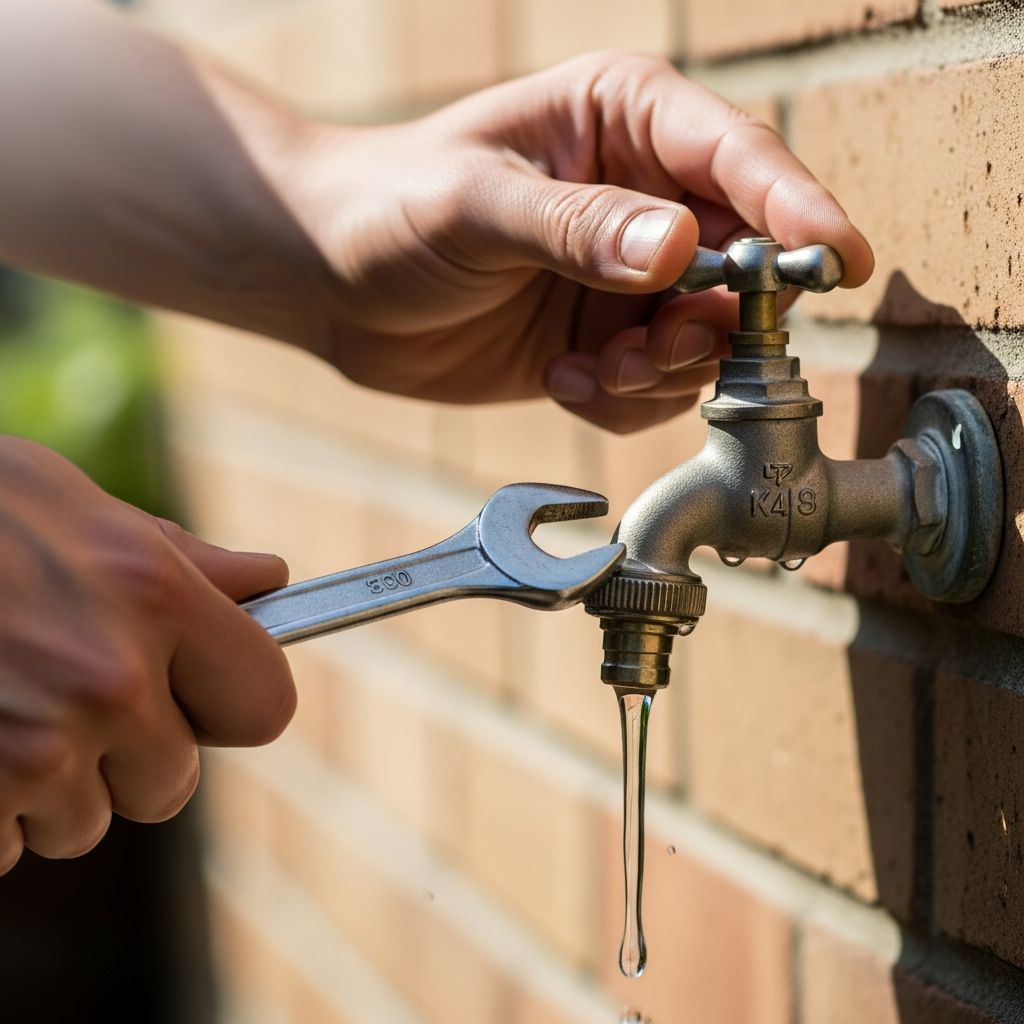
Your outdoor faucet, also known as a hose bibb or spigot, is essential for gardening, car washing, and other tasks. When water pressure drops, it disrupts these activities and may signal underlying issues like clogs, wear, or supply problems. This guide provides a comprehensive approach to diagnosing and resolving low pressure, empowering you to handle repairs confidently at home.
Understanding Low Water Pressure in Outdoor Spigots
Low pressure manifests as a weak trickle instead of a forceful stream, often worsening over time. Common indicators include sputtering flow, inconsistent output, or pressure that improves slightly when the faucet is fully open. Factors range from simple blockages to more complex plumbing concerns.
- Internal blockages: Debris, mineral buildup, or sediment restricts flow inside the faucet.
- Worn components: Degraded seals, washers, or valves fail to open fully.
- Supply line issues: Restrictions in pipes leading to the spigot reduce incoming water volume.
- Aerator problems: The screen at the outlet clogs with dirt from hoses or water sources.
Addressing these promptly prevents further damage, such as leaks or pipe corrosion, and restores functionality without professional costs.
Essential Tools and Materials for Repairs
Gathering the right items beforehand ensures smooth progress. Most are inexpensive and available at hardware stores.
| Category | Item | Purpose |
|---|---|---|
| Tools | Adjustable wrench, pliers, screwdriver | Gripping, turning, and disassembling faucet parts |
| Tools | Wire brush or old toothbrush | Cleaning threads and removing debris |
| Tools | Bucket and rags | Catching water and wiping surfaces |
| Materials | Replacement washers, O-rings, seats | Fixing leaks and improving flow |
| Materials | Plumber’s tape (Teflon), pipe dope | Sealing connections to prevent drips |
| Materials | Vinegar or descaler solution | Dissolving mineral deposits |
Optional items like penetrating oil help with rusted parts, while a pipe cutter suits advanced pipe work.
Initial Troubleshooting Checklist
Before disassembling, rule out external factors with this quick checklist.
- Verify indoor water pressure by testing kitchen or bathroom faucets during the same usage time.
- Disconnect any attached hoses and run the spigot open to check raw output.
- Inspect for visible damage like cracks or corrosion around the base.
- Confirm the water supply valve (often indoors) is fully open by turning it counterclockwise fully.
- Remove and clean the aerator screen first, as this resolves 50% of cases.
If pressure remains low after these, proceed to internal repairs.
Step-by-Step Repair Guide
Step 1: Shut Off Water and Drain the System
Locate the shut-off valve for the outdoor line, typically in the basement, crawlspace, or near the main meter. Turn clockwise to close. Open the spigot fully outdoors to drain residual water, placing a bucket underneath. For frost-proof models, ensure anti-siphon valves are addressed.
Step 2: Disassemble the Faucet Handle and Stem
Remove the handle screw (often under a cap) using a screwdriver. Pull off the handle, then loosen the packing nut with pliers or a wrench turning counterclockwise. Gently extract the valve stem or cartridge. Note the orientation for reassembly.
Step 3: Clean and Inspect Internal Parts
Examine the stem for wear, scoring, or buildup. Soak in vinegar for 30 minutes to dissolve limescale. Scrub seats and ports with a brush. Rinse thoroughly. Replace any damaged rubber washers or O-rings, available in universal kits matching your faucet type (compression or ball valve).
Step 4: Reassemble and Test Flow
Apply plumber’s tape or pipe dope to threads. Reinsert the stem, tighten the packing nut finger-tight then a quarter-turn more. Reattach the handle. Restore water supply slowly, checking for leaks while running the spigot.
Step 5: Advanced Fixes for Persistent Issues
If pressure is still inadequate, inspect the supply pipe. Cut back corroded sections with a hacksaw if accessible, then solder or thread a new fitting. For soldered spigots, heat joints carefully with a torch after draining. Consider upgrading to a frost-proof model for better long-term flow in cold climates.
Preventive Maintenance Tips
Regular upkeep extends spigot life and maintains pressure.
- Clean aerators monthly during peak use seasons.
- Drain lines before winter freezes by shutting valves and opening faucets.
- Install hose washers to filter debris entering the line.
- Annually inspect and lubricate moving parts.
- Use backflow preventers to comply with codes and protect supply.
These habits reduce repair frequency and avoid costly pipe bursts.
Safety Precautions During Repairs
Water and tools demand caution.
- Wear gloves and eye protection against sprays or debris.
- Avoid electrical outlets; use GFCI if needed.
- Work in dry conditions, mopping spills immediately.
- Never force stuck parts—use oil and patience to prevent breaks.
- If pipes freeze, thaw gradually with warm towels, not torches.
When to Replace the Entire Spigot
Repair if parts fix the issue; replace if the body is cracked, threads stripped, or multiple failures occur. New spigots cost $15-50. Match thread size (usually 1/2-inch) and opt for anti-siphon frost-proof in freezing areas. Replacement mirrors disassembly but includes cleaning pipe ends and sealing anew.
Common Mistakes and How to Avoid Them
| Mistake | Consequence | Solution |
|---|---|---|
| Over-tightening nuts | Cracked housing or stripped threads | Hand-tight plus quarter-turn |
| Skipping Teflon tape | Leaks at joints | Apply 2-3 wraps clockwise |
| Not draining fully | Sudden floods | Leave open 5-10 minutes |
| Ignoring supply valve | Assumed internal fault | Check and fully open first |
Frequently Asked Questions
Why is my outdoor faucet pressure low but indoor is fine?
This points to localized issues like aerator clogs or stem wear, not main line problems. Clean internals as outlined.
Can low pressure indicate a leak elsewhere?
Yes, hidden leaks drop overall pressure. Monitor meter when all faucets off—if it runs, call a pro for line tracing.
How often should I replace washers?
Every 1-2 years or at first sign of drip, preventing pressure loss from erosion.
Is a frost-proof spigot better for repairs?
Yes, longer stems reduce internal wear and improve flow in varied conditions.
What if repairs don’t work?
Inspect pipes for corrosion or consult a plumber for supply line diagnosis.
References
- How to Replace an Outdoor Faucet – Complete Beginner’s Guide — Vevor. 2026 (approx. from batch). https://www.vevor.com/diy-ideas/how-to-replace-an-outdoor-faucet/?_batch=20260129_111021
- How to Replace Outdoor Faucet Spigot | DIY Guide — Cyclone Plumbing USA. 2026 (current). https://cycloneplumbingusa.com/how-to-replace-outdoor-faucet-spigot/
- How to Fix a Leaky Hose Bib | Easy DIY Repair Guide — Select Home Warranty. 2026 (current). https://www.selecthomewarranty.com/blog/how-to-fix-a-leaky-hose-bib/
Similar Articles







Read full bio of Sneha Tete