Fix Rolling Window Shutters: Complete Guide
Master DIY repairs for rolling window shutters to restore smooth operation and enhance home security without professional help.
Rolling window shutters protect homes from weather, enhance privacy, and boost energy efficiency, but they can develop issues over time due to wear, debris, or mechanical failure. This guide provides detailed, original instructions for identifying problems, performing repairs on both manual and electric models, and implementing maintenance routines to extend their lifespan. Whether your shutter sticks midway, slats are damaged, or the motor fails, these methods empower homeowners to handle fixes safely and effectively.
Understanding Rolling Window Shutters and Common Problems
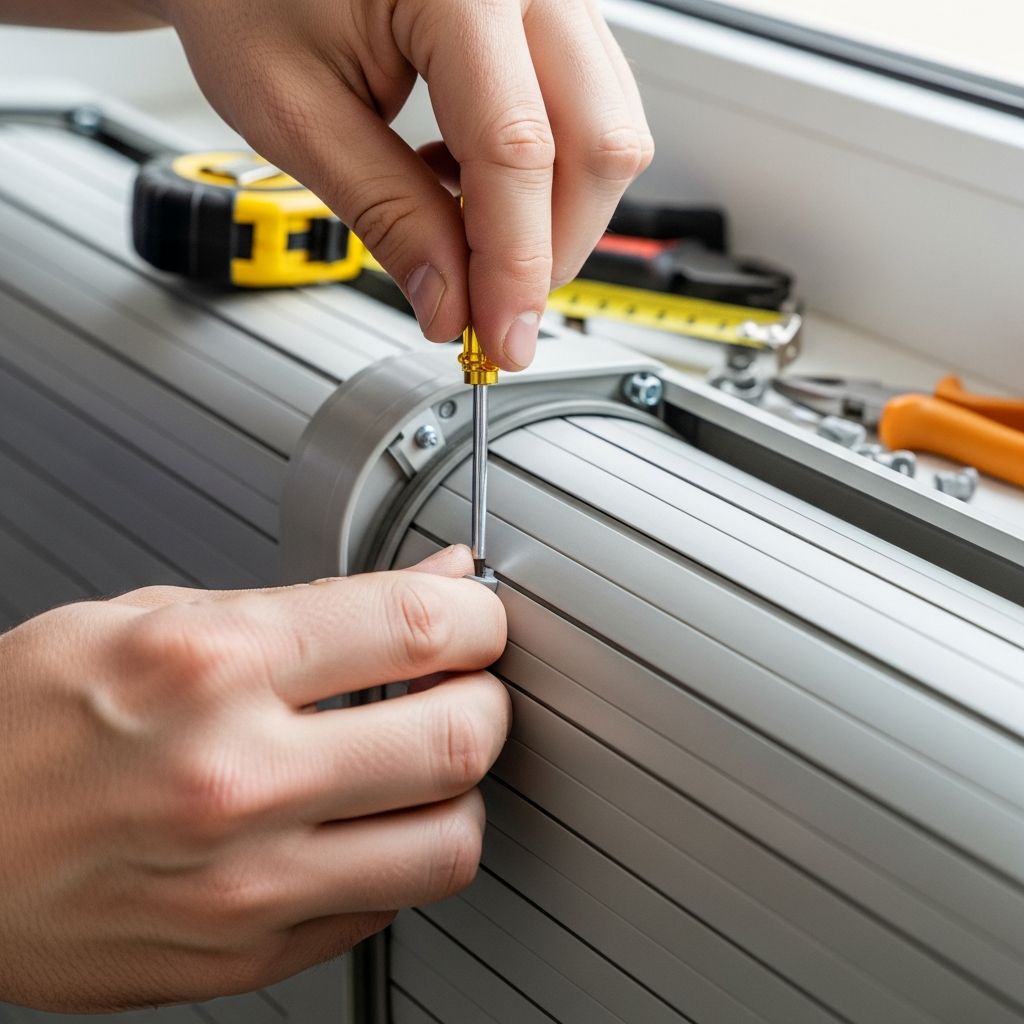
These versatile window coverings consist of interlocking horizontal slats wound around a roller tube, housed in a box above the window. Manual versions use straps, tapes, or cranks, while motorized ones rely on electric drives. Key components include guide rails, bottom bar, slats, roller assembly, and for electrics, motors and controls.
Typical issues arise from:
- Debris buildup in tracks causing jams.
- Worn straps or tapes in manual systems leading to slippage.
- Bent or cracked slats from impacts.
- Motor failures in powered units, like unresponsive remotes or partial movement.
- Spring tension loss preventing proper rolling.
Addressing these promptly prevents minor glitches from escalating into costly replacements. Always prioritize safety by working with the shutter disengaged from power and using stable ladders.
Essential Tools and Safety Precautions
Before starting, assemble a toolkit tailored to shutter repairs. Basic items handle most jobs, while advanced ones tackle complex tasks.
| Basic Tools | Purpose |
|---|---|
| Screwdrivers (Phillips, flathead) | Securing screws on rails and covers |
| Pliers and adjustable wrench | Gripping, bending, and loosening components |
| Lubricant spray (silicone-based) | Reducing friction in moving parts |
| Cleaning brush or compressed air | Removing dirt from tracks |
| Tape measure and level | Ensuring alignment during reassembly |
For motorized repairs, add a multimeter for electrical checks, wire strippers, and a drill. Optional: rivet gun for slat fixes, hammer for gentle tapping.
Safety first: Wear gloves and goggles. Disconnect power for electrics. Support heavy shutters to avoid drops. Work with a partner for overhead tasks. If unsure about wiring, consult a licensed electrician.
Diagnosing Issues in Manual Rolling Shutters
Manual shutters often fail due to mechanical wear. Start diagnosis by fully raising and lowering the shutter multiple times, noting resistance points.
- Listen for grinding noises indicating unlubricated parts or debris.
- Visually scan for bent slats, frayed straps, or loose end locks.
- Check if the shutter binds in guides—common from swollen wood frames or misalignment.
Document findings with photos for reference during repairs.
Step-by-Step Repairs for Manual Shutters
Clearing Jams and Cleaning Tracks
Jams stem from dirt accumulation. Position the shutter fully open. Vacuum tracks thoroughly, then blow out residue with compressed air. Wipe slats with a damp cloth and mild soap, avoiding excess water on metal types to prevent rust.
Apply silicone lubricant sparingly to rails and roller edges. Test movement; repeat if needed. For persistent binds, loosen rail screws half a turn, realign with a level, and retighten.
Replacing Worn Straps or Tapes
A broken strap halts operation. Raise the shutter fully by pulling remnants. Drill out rivets on the headbox cover using a 3.5mm bit. Cut old strap near spool, unwind carefully.
Thread new strap through guides, attach to bottom bar via clips or screws. Reinstall pulley if removed, ensuring tension balance. Rotate spool to wind evenly, then test descent. Without opening the box, use a string assist: remove stop pins, pull shutter up slowly while tensioning the new strap, balancing after 2-3 wraps.
Straightening or Replacing Slats
Bent slats disrupt rolling. Gently pry affected slat from ends using pliers wrapped in cloth to avoid scratches. Use a rubber mallet to tap back into shape, checking alignment.
For irreparable damage, unroll shutter on a flat surface. Unclip neighboring slats, slide out broken one, insert matching replacement (same material for balance—e.g., aluminum or steel). Reconnect securely with rivets or clips. Rehang and test.
Troubleshooting Motorized Rolling Shutters
Electric models offer convenience but introduce electrical variables. Common faults: no response, one-way movement, or buzzing motors.
Resetting and Power Checks
First, locate the motor’s reset button (often RTS or Somfy type). Press and hold 10 seconds until slight movement confirms reset. Verify remote batteries and reprogram if needed—hold stop button until LEDs flash.
Inspect wiring: ensure secure connections at controller and motor. Use multimeter to test voltage; faulty power supplies cause partial operation. Tighten or replace frayed wires, taping junctions securely.
Motor Replacement Basics
If resets fail, access the roller by removing end brackets. Disconnect old motor, noting wiring colors. Install new unit, aligning drive pin into tube. Secure brackets, reconnect power, and pair with remote. Upgrade to app-controlled for modern integration.
Preventive Maintenance Strategies
Regular upkeep averts 80% of breakdowns. Schedule quarterly checks:
- Lubricate rails, spools, and locks with silicone spray.
- Clean tracks and slats monthly, especially in dusty areas.
- Tighten loose screws and inspect for corrosion.
- For motors, test remotes weekly and update firmware if applicable.
- Balance spring tension annually by rotating pin clockwise until resistant.
In harsh climates, add weather seals to guides for debris protection.
Advanced Fixes and When to Call Pros
DIY suits most issues, but warped frames or integrated security systems may need specialists. Signs for pros: total motor burnout, structural damage, or electrical shorts risking fire.
Costs: DIY saves $200-500 per repair; pros charge $150-400 plus parts.
Frequently Asked Questions (FAQs)
How often should I lubricate my shutters?
Every 3-6 months for smooth operation and to minimize wear.
Can I repair shutters myself if I’m not handy?
Start with cleaning and lubrication; escalate to videos for visuals. Safety trumps DIY.
What’s the difference between strap and tape systems?
Straps are fabric-like and prone to fraying; tapes are durable nylon, easier to replace.
Why does my motorized shutter only go halfway?
Likely limit switch misalignment or power dip—reset and check connections first.
Are replacement parts universal?
No, match manufacturer specs for slats, motors, and straps to ensure compatibility.
Enhancing Shutter Longevity and Performance
Beyond repairs, consider upgrades like insulated slats for efficiency or smart controls for automation. Proper installation alignment prevents future strains. Track performance post-repair, noting improvements in speed and noise.
By following this guide, homeowners regain control over their shutters, saving money while maintaining security and aesthetics. Consistent care turns potential headaches into minor tasks.
References
- How to Repair Roller Shutters? — Shutters and Shade. Accessed 2026. https://shuttersandshade.com/blog/how-to-repair-roller-shutters/
- DIY Roller Shutter Repairs: Issues and Fixes — Security Direct UK. Accessed 2026. https://securitydirectuk.com/security-direct-blogs/revive-your-security-diy-roller-shutter-repairs-made-easy/
- Expert Tips – Roller Shutter Repairs and Maintenance — Roller Shutter Repairs Adelaide. Accessed 2026. https://rollershutterrepairsadelaide.com.au/roller-shutter-repairs/how-to-repair-roller-shutters-an-easy-guide/
Similar Articles




Read full bio of Sneha Tete