Washing Machine Not Draining: Quick Fixes And Prevention
Comprehensive guide to diagnose and resolve common washing machine drainage problems for effective home troubleshooting.
Fix Washing Machine Drain Issues
Your washing machine failing to drain completely leaves clothes soaked and cycles interrupted, often due to simple blockages or misalignments. Addressing these promptly prevents water damage and extends appliance life through targeted diagnostics and fixes.
Recognizing Drainage Failure Signs
Observe if water remains in the drum after the drain cycle, or if the machine hums without pumping out water. Wet laundry post-spin indicates incomplete drainage, while unusual noises suggest pump strain from debris. Early detection avoids escalation to motor overload or flooding risks.
Essential Safety Measures Before Starting
Always unplug the machine from power to eliminate shock hazards. Shut off the water supply valves to prevent leaks during hose work. Prepare tools like buckets, towels, pliers, gloves, and a flashlight for safe access to components.
Initial Manual Water Removal Techniques
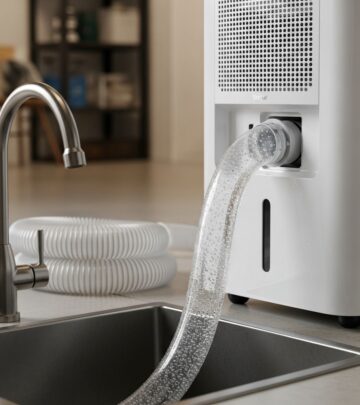
To access internal parts, first empty standing water manually. Locate the drain hose at the back, position its end into a shallow bucket below drum level, and allow gravity to siphon water out. For front-loaders, use the lower filter access if available, placing a pan underneath to catch discharge. Repeat until dry, clamping the hose as needed to control flow.
Inspecting and Correcting the Drain Hose
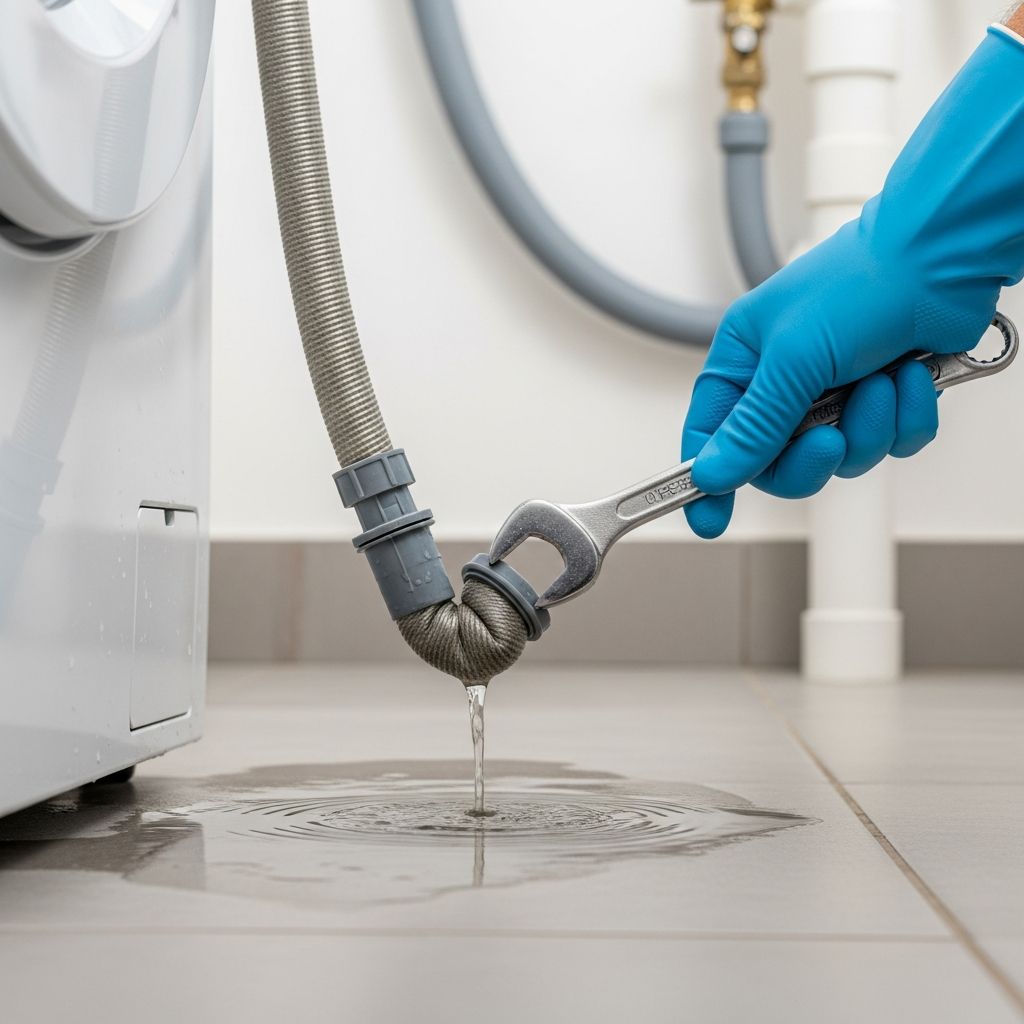
The flexible drain hose frequently kinks, crushes, or accumulates lint and small items like socks. Pull the machine forward carefully, avoiding hose strain. Examine for bends—straighten them—and detach ends to flush with running water or a garden hose. Insert a drain snake for stubborn buildup. Verify the hose end sits at the correct height in the standpipe, typically 30-96 inches per manufacturer specs, avoiding deep insertion that causes siphoning issues.
| Hose Issue | Symptoms | Solution |
|---|---|---|
| Kinked or Crushed | Slow or no flow | Straighten or replace |
| Clogged with Debris | Backup water | Flush or snake |
| Improper Height | Continuous draining | Adjust position |
| Frozen (Cold Weather) | No flow in winter | Thaw with warm water or heat |
Cleaning the Pump Filter and Trap
Most machines have a pump filter trapping coins, buttons, hair, and lint. For front-loaders, access via a front-bottom panel; top-loaders may require base panel removal—consult your manual. Unscrew the cap slowly over a shallow pan, extract debris, rinse the filter, and reinstall securely. This resolves up to 70% of drainage failures. Run a hot empty cycle post-cleaning to flush residue.
- Power off and unplug.
- Locate filter (often marked).
- Prepare for 1-2 quarts spillage.
- Clean thoroughly with brush if needed.
- Test drain function immediately.
Checking Home Plumbing Connections
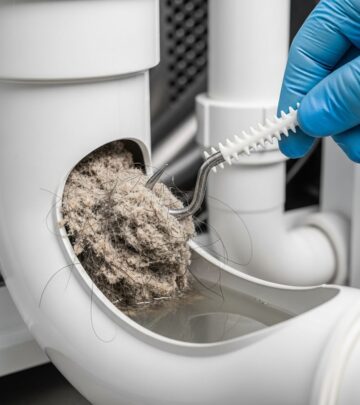
If machine components clear, inspect the standpipe or U-bend under the sink. Unscrew the U-bend trap, empty water and debris into a bucket, and clear blockages. Use a plunger or enzyme cleaner for deeper pipe clogs. Ensure the standpipe isn’t overwhelmed by multiple drains.
Evaluating the Drain Pump Functionality
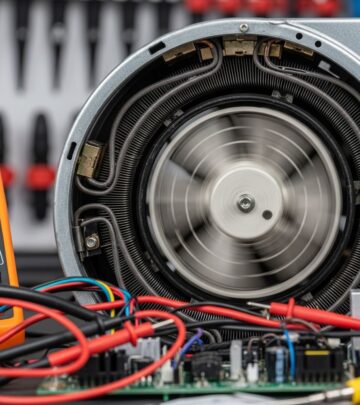
A faulty pump may whir without action due to debris, worn impeller, or motor failure. Listen for humming during drain cycle. Access the pump per model instructions, often at the base. Spin the impeller manually—if stuck, clear obstructions. Test continuity with a multimeter if equipped; replace if no resistance reading. Belts driving pumps can slip or break, requiring tension adjustment or swap.
Addressing Electrical and Sensor Problems
Top-load lid switches halt drainage if faulty, sensing improper closure. Bypass temporarily for testing by wedging the lid. Door locks on front-loaders similarly interrupt cycles. Perform a master reset: unplug for 5 minutes, then rapid door open/close sequences if specified. Faulty control boards rarely cause this but may need professional diagnostics.
Advanced Troubleshooting for Persistent Issues
If basic steps fail, measure voltage at the pump during operation—should be 110-120V AC. Inspect wiring for frays. Overloading with heavy blankets strains pumps; adhere to load guidelines. For error codes, reference your manual’s chart—E.g., ‘nd’ often signals no drain.
Preventive Maintenance Strategies
Monthly filter cleans prevent buildup. Use HE detergent sparingly to minimize sludge. Wash pet hair loads in mesh bags. Inspect hoses biannually for wear. Run quarterly hot empty cycles with vinegar or affresh tablets to dissolve residues, enhancing longevity.
| Maintenance Task | Frequency | Benefits |
|---|---|---|
| Filter Cleaning | Monthly | Prevents 70% clogs |
| Hose Inspection | Every 6 Months | Avoids kinks/damage |
| Hot Empty Cycle | Quarterly | Removes sludge |
| Load Balance Check | Per Use | Reduces pump strain |
When to Seek Professional Assistance
DIY suits minor clogs, but replace pumps or belts if inexperienced—risks include electrical hazards and voided warranties. Persistent issues post-reset indicate deeper plumbing or motor faults. Licensed technicians diagnose with specialized tools, ensuring code-compliant repairs.
Frequently Asked Questions
Why does my washer drain slowly?
Slow drainage stems from partial hose clogs, filter buildup, or low standpipe height restricting flow.
Can I fix a broken pump myself?
Basic cleaning yes, but impeller or motor replacement requires electrical knowledge—opt for pros if unsure.
Is vinegar safe for cleaning washer drains?
Yes, vinegar dissolves mineral deposits safely; run a hot cycle with 2 cups monthly.
What if water backs up into the drum?
Indicates full house drain; snake the main line or call plumbing services.
How often should I replace the drain hose?
Every 5 years or at visible cracks to prevent leaks.
References
- How to Unclog a Washing Machine Drain — Meticulous Plumbing. 2023-05-15. https://meticulousplumbing.com/blog/how-to-unclog-a-washing-machine-drain/
- Why is My Washing Machine Not Draining — TaskRabbit Blog. 2024-02-10. https://www.taskrabbit.com/blog/washing-machine-not-draining/
- Washing Machine Not Draining — Domestic & General. 2023-11-20. https://www.domesticandgeneral.com/blog/washing-machine-tips/what-to-do-if-your-washing-machine-is-not-draining
- How to Drain the Washer, Diagnose and Fix — YouTube (iFixit-related). 2022-08-05. https://www.youtube.com/watch?v=C2wc9MeGB64
- Washing Machine not Draining Water – Fixed — YouTube. 2023-03-12. https://www.youtube.com/watch?v=WxNRAMWDY2w
Similar Articles


Read full bio of Sneha Tete