Fixing Bow Windows: Complete DIY Guide For Homeowners
Master the art of bow window restoration with this detailed DIY guide, covering inspections, repairs, and maintenance for lasting beauty and efficiency.
Fixing Bow Windows: Complete DIY Guide
Bow windows enhance home aesthetics with their sweeping curves and abundant natural light, but they demand regular upkeep to stay functional. This guide provides homeowners with practical strategies to diagnose problems, perform repairs, and prevent future damage, drawing on proven methods for long-term durability.
Understanding Bow Window Basics and Common Problems
Bow windows consist of multiple panes arranged in a radial pattern, projecting outward from the wall to create a panoramic view. Unlike bay windows with sharp angles, bow designs feature smoother arcs, often supported by sturdy frames made of wood, vinyl, or composite materials. Over time, exposure to weather, humidity, and daily use leads to wear.
Key issues include deteriorating seals that allow air leaks, wood rot from moisture infiltration, cracked or scratched glass reducing visibility and insulation, and faulty hardware impeding smooth operation. Early detection through routine checks prevents minor flaws from escalating into costly overhauls.
- Seal degradation: Causes drafts and higher energy costs.
- Frame decay: Weakens structure if untreated.
- Glass imperfections: Compromises safety and appearance.
- Hardware wear: Leads to sticking or misalignment.
Tools and Materials for Successful Repairs
Gathering the right equipment ensures safe and efficient work. Basic kits include putty knives, scrapers, sandpaper (various grits), wood filler, sealants, and replacement glazing points. For hardware tasks, stock lubricants, screwdrivers, and pliers. Safety gear like gloves, goggles, and dust masks is non-negotiable, especially when handling old paint or glass.
| Category | Essential Items | Purpose |
|---|---|---|
| Removal Tools | Putty knife, pry bar, utility knife | Clean old seals, stops, and paint |
| Repair Supplies | Wood filler, epoxy, caulk | Fill gaps, reinforce wood |
| Finishing | Sandpaper, primer, paint | Smooth and protect surfaces |
| Hardware | Hinges, locks, lubricant | Restore movement |
Invest in quality products; for instance, marine-grade sealants resist moisture better in bow window applications.
Step-by-Step Inspection Process
Begin repairs with a thorough assessment. Visually scan for cracks, discoloration, or gaps around panes. Test operation by opening and closing sashes, noting resistance or rattles. Use a flashlight to probe frame joints for softness indicating rot. In colder months, feel for drafts with a hand or lit incense stick—the smoke reveals air currents.
- Exterior check: Look for water stains or peeling paint.
- Interior review: Inspect sills for moisture damage.
- Functional test: Operate all sections for smooth action.
- Documentation: Photograph issues for reference or professional quotes.
Perform inspections bi-annually, ideally in spring and fall, to catch seasonal wear early.
Addressing Seal and Weatherstripping Failures
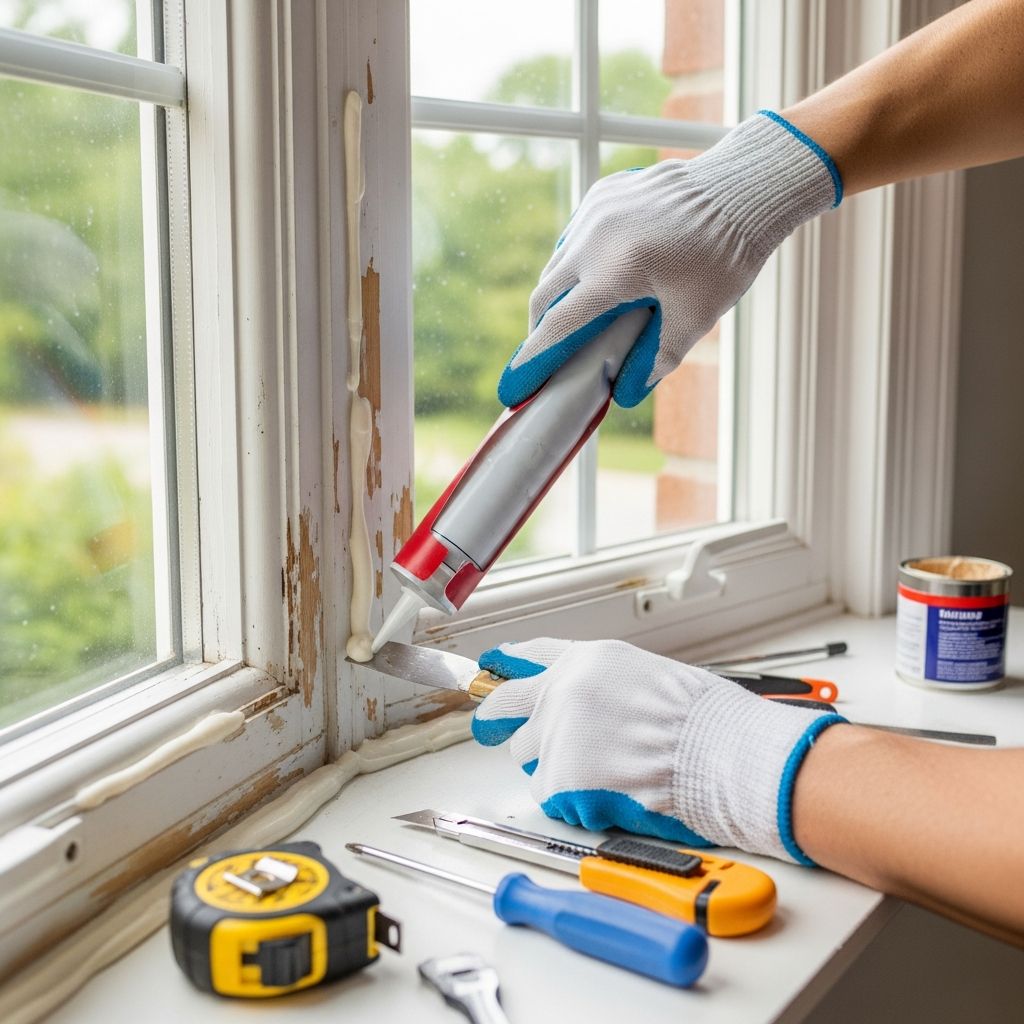
Seals prevent air and water intrusion but harden and crack over years. Start by prying out old material with a flat tool, avoiding frame gouges. Clean grooves with a wire brush and mild solvent. Apply new weatherstripping or silicone sealant, pressing firmly for adhesion. Cure times vary—allow 24 hours before testing.
For multi-pane bows, work section by section to maintain alignment. This fix boosts energy efficiency, potentially cutting heating bills by 10-15% per U.S. Department of Energy guidelines on window sealing.
Repairing Wood Rot and Frame Damage
Rot thrives in damp corners of wooden bow frames. Probe suspect areas with a screwdriver; soft wood confirms decay. For small spots, excavate rot, apply consolidant like epoxy resin to harden remnants, then pack with wood hardener and filler. Sand smooth once dry, prime, and paint to match.
Extensive damage requires section replacement: Cut out affected wood, sister new pieces with brackets, and seal joints. Pressure-treated lumber resists future moisture. Always address underlying leaks first, such as clogged weep holes.
Glass Pane Restoration and Replacement
Scratches mar views but can often be polished with cerium oxide compound and a felt pad on a drill. For cracks or breaks, safety first—tape shards to avoid injury. Remove glazing points, extract old glass, and bed new panes in linseed oil putty. Secure with points every foot, then apply exterior putty and tool smooth.
Measure precisely: length plus 1/16-inch for expansion. Custom cuts for curved bows may need glass shop assistance. Double-glazed units improve insulation, aligning with ENERGY STAR standards for modern efficiency.
Hardware Maintenance and Upgrades
Bow windows use specialized hinges and balances for curved motion. Lubricate with graphite spray, avoiding oil that attracts dirt. Tighten loose fasteners and replace bent components. For sash systems, inspect counterweights and cords; frayed ropes demand restringing.
Process: Access pockets by removing stops, tie new cotton ropes to weights, thread over pulleys, and knot to sashes. Number parts for reassembly to preserve balance.
Advanced Techniques for Sash and Jamb Restoration
Older bow windows feature counterbalanced sashes. Dismantle carefully: Score paint lines, pry stops, and extract sashes. Scrape jambs clean, repair cracks with epoxy, and repaint for frictionless glide. Reinstall parting beads trimmed to fit curves.
For laminated curved elements, use flexible moldings bent over forms, secured with adhesives. This revives vintage bows without full replacement.
Preventive Maintenance Strategies
Prolong window life with proactive care. Clean tracks quarterly with vinegar solution, apply protective coatings annually, and trim nearby vegetation to reduce humidity. Install storm panels for winter protection. Track repairs in a log to predict patterns.
- Seasonal cleaning prevents buildup.
- Humidity control avoids warping.
- UV films protect against fading.
When to Call in Professionals
DIY suits most tasks, but structural failures, electrical integrations, or historic preservations warrant experts. Pros handle permits, warranties, and specialized tools like heat guns for delaminating. Expect costs from $200 per pane to $5,000 for full units, varying by region.
Frequently Asked Questions
Can I repair a bow window myself if I’m a beginner?
Yes, starting with seals and hardware builds confidence. Complex rot or glass needs practice or help.
How long does a bow window repair take?
Simple fixes: 1-2 days. Full restoration: 1 week, including drying times.
What causes most bow window failures?
Moisture, poor ventilation, and age top the list.
Are vinyl bow windows easier to repair than wood?
Vinyl resists rot but cracks under impact; wood offers more repair flexibility.
How do I improve bow window energy efficiency?
Update seals, add low-E films, or upgrade to insulated glass.
Cost Comparison Table
| Repair Type | DIY Cost | Pro Cost | Time Savings |
|---|---|---|---|
| Seal Replacement | $20-50 | $150-300 | DIY faster for multiples |
| Wood Rot Fix | $50-150 | $400-800 | Pro for structural |
| Glass Swap | $100-200 | $300-600 | DIY precise measuring |
| Full Hardware | $30-80 | $200-500 | DIY routine checks |
These estimates factor materials and labor as of recent market data.
References
- Restoring Elegance: A Guide to Bow Window Repair at Home — Window Hardware Direct. 2023-10-15. https://windowhardwaredirect.com/blogs/news/restoring-elegance-a-guide-to-bow-window-repair-at-home
- Easy DIY Window Restoration — The Craftsman Blog. 2022-05-20. https://thecraftsmanblog.com/diy-window-restoration/
- Building a Bow Window From Scratch — Fine Homebuilding. 1999-05-01. https://www.finehomebuilding.com/1999/05/01/building-a-bow-window-from-scratch
Similar Articles







Read full bio of Sneha Tete