Fixing Broken Ceiling Fan Blades
Master DIY techniques to restore wobbly or cracked fan blades and extend your ceiling fan's lifespan without costly replacements.
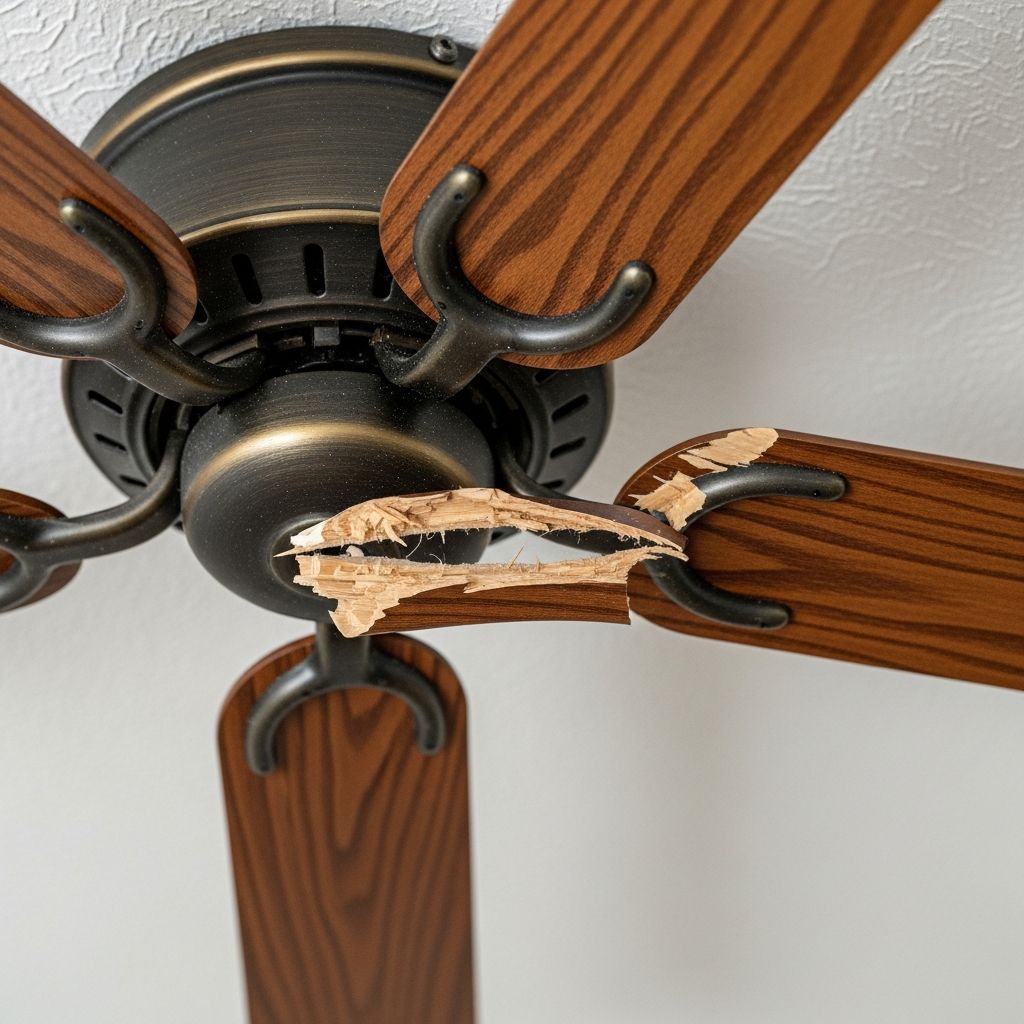
Ceiling fans provide essential cooling and air circulation, but a broken blade can cause wobbling, noise, and inefficiency. Rather than replacing the entire unit, many issues stem from cracked, loose, or unbalanced blades that can be fixed with basic tools and materials. This guide explores assessment, temporary repairs, permanent solutions, balancing, and maintenance to keep your fan running smoothly.
Understanding Common Ceiling Fan Blade Problems
Blades endure constant stress from rotation, dust buildup, and age, leading to cracks at the hub, warping, or detachment. Wood blades may split due to humidity changes, while plastic ones crack from impacts or fatigue. Wobbling often signals imbalance from uneven wear or improper installation.
Symptoms include unusual vibrations, reduced airflow, scraping sounds, or visible damage. Early detection prevents motor strain and further breakdowns. Regular inspections reveal issues before they escalate.
Safety Precautions Before Starting Repairs
Power off the fan at the breaker to avoid shocks. Use a sturdy ladder rated for your weight, positioning it on level ground. Wear gloves to handle sharp edges and eye protection for dust or debris. Support the fan motor with one hand during blade work to prevent falls.
- Turn off electricity and confirm with a voltage tester.
- Secure the ladder and have a spotter if possible.
- Work in good lighting to spot fine cracks.
- Avoid loose clothing near moving parts during tests.
Tools and Materials for Effective Blade Repairs
Gather these essentials for most fixes:
| Category | Items | Purpose |
|---|---|---|
| Tools | Screwdriver set, wrench, pliers, ladder, voltage tester | Disassembly, tightening, safety checks |
| Adhesives | Wood glue (e.g., Titebond), epoxy, superglue | Reattaching cracks or hubs |
| Cleaning | Detergent, soft brush, sandpaper, microfiber cloths | Removing grime affecting balance |
| Balancing | Fan balancing kit, clips or weights | Correcting vibrations |
| Other | Replacement blades, rubber bands, painters tape | Testing alignment and temporary holds |
Step-by-Step Inspection Process
Begin by cleaning the entire fan. Dust on blades creates imbalance mimicking structural damage. Wipe blades with a damp cloth and mild soap, then dry thoroughly.
- Visual Check: Look for cracks, chips, or separations at blade roots and tips.
- Mounting Review: Ensure blade arms (irons) are tight and level.
- Balance Test: Run the fan on low speed; note wobble sources.
- Measurement: Use a ruler to verify all blades are equidistant from the ceiling (typically 1-2 inches variation max).
If damage is minor, proceed to repair; severe cracks may require replacement.
Temporary Fixes for Cracked Blades
For quick stabilization, use gluing methods ideal for wood or minor plastic breaks. Apply wood glue like Titebond to clean, aligned crack surfaces. Secure with rubber bands or tape, adding weight (e.g., a plate) for 30 minutes to set. Wipe excess glue immediately for a clean finish.
This method revives vintage fans economically, buying time for full repairs. Test gently after drying.
Permanent Repair Techniques
Hub Reinforcement for Detached Blades
If the blade hub breaks, remove residues with pliers and sand smooth. Reinforce with epoxy filler molded to fit the shaft. For creative fixes, 3D print custom hubs if accessible, ensuring high infill for durability.
Crack Filling and Sealing
Sand cracked areas, apply epoxy, and clamp overnight. Post-cure sanding restores aerodynamics. Balance by adding small screws opposite heavy spots.
Warped Blade Straightening
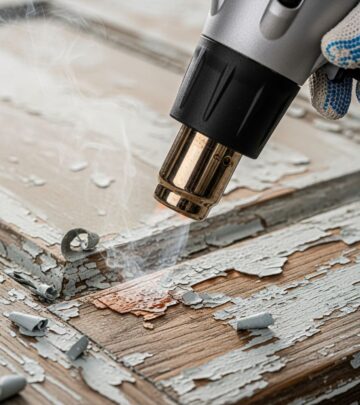
Wood blades can be steamed and clamped straight. Plastic warps need heat guns cautiously to avoid melting.
Blade Replacement Guide
When repairs fail, swap blades. Consult the manual for compatible sizes; measure blade length from hub to tip.
- Select matching style, material, and finish.
- Remove old blades by unscrewing brackets.
- Install new ones, tightening screws evenly.
- Check for wobble and adjust.
Universal kits fit many models, often under $50.
Achieving Perfect Blade Balance
Imbalance causes noise and wear. Clean first, then tighten all screws. Measure blade-to-ceiling distances; adjust clips on the heaviest blade using a balancing kit. Run tests iteratively until smooth.
- Start with low speed.
- Place clip at wobble point.
- Move outward if needed.
- Secure permanent weights if clips suffice.
Preventive Maintenance for Longevity
Quarterly cleaning prevents 80% of issues. Lubricate motor bearings annually with SAE 10 oil. Reverse blades seasonally for even wear. Tighten hardware biannually.
Humidity control avoids wood splitting; store spares in climate-stable areas.
Troubleshooting Persistent Issues
| Problem | Possible Cause | Solution |
|---|---|---|
| Persistent Wobble | Bent blade iron | Straighten or replace irons |
| Noise After Repair | Uneven glue | Sand and rebalance |
| No Improvement | Motor issue | Professional service |
| Vibration at High Speed | Loose canopy | Recheck mounting |
FAQs
Can I repair plastic ceiling fan blades?
Yes, use plastic epoxy for cracks; superglue for small splits. Avoid heat on thin plastics.
How long do repairs last?
Proper gluing holds 1-3 years; balancing extends fan life by 5+ years.
Is it safe to use a fan with one broken blade?
No; imbalance strains the motor, risking fire or collapse.
What if my fan is under warranty?
Check terms; DIY may void it, but minor fixes often don’t.
Wood vs. Plastic Blades: Which is Easier to Fix?
Wood accepts glue better; plastic needs precise matching adhesives.
References
- Fixing Fan Blade: 5 Steps (with Pictures) — Instructables. Accessed 2026. https://www.instructables.com/Fixing-Fan-Blade/
- (Vid 12 of 24) How to Easily Restore a Classic Ceiling Fan (Gluing a Broken Fan Blade) — YouTube (Low Budget Window Restoration). Accessed 2026. https://www.youtube.com/watch?v=1nd6o2O-j54
- How to Fix a Wobbly Ceiling Fan — The Home Depot (YouTube). 2026 (timeless guide). https://www.youtube.com/watch?v=jRGMQOyt_18
- How to Replace Ceiling Fan Blades — The Home Depot (YouTube). Accessed 2026. https://www.youtube.com/watch?v=RlfLsrL0erg
- How to Replace Ceiling Fan Blades — The Home Depot. Accessed 2026. https://www.homedepot.com/c/ah/how-to-replace-ceiling-fan-blades-/9ba683603be9fa5395fab9010f22d785
Similar Articles



Read full bio of Sneha Tete