Fixing Cracked PVC Pipes: Complete Guide
Master DIY techniques to repair cracked PVC pipes quickly and effectively, from temporary patches to permanent replacements.
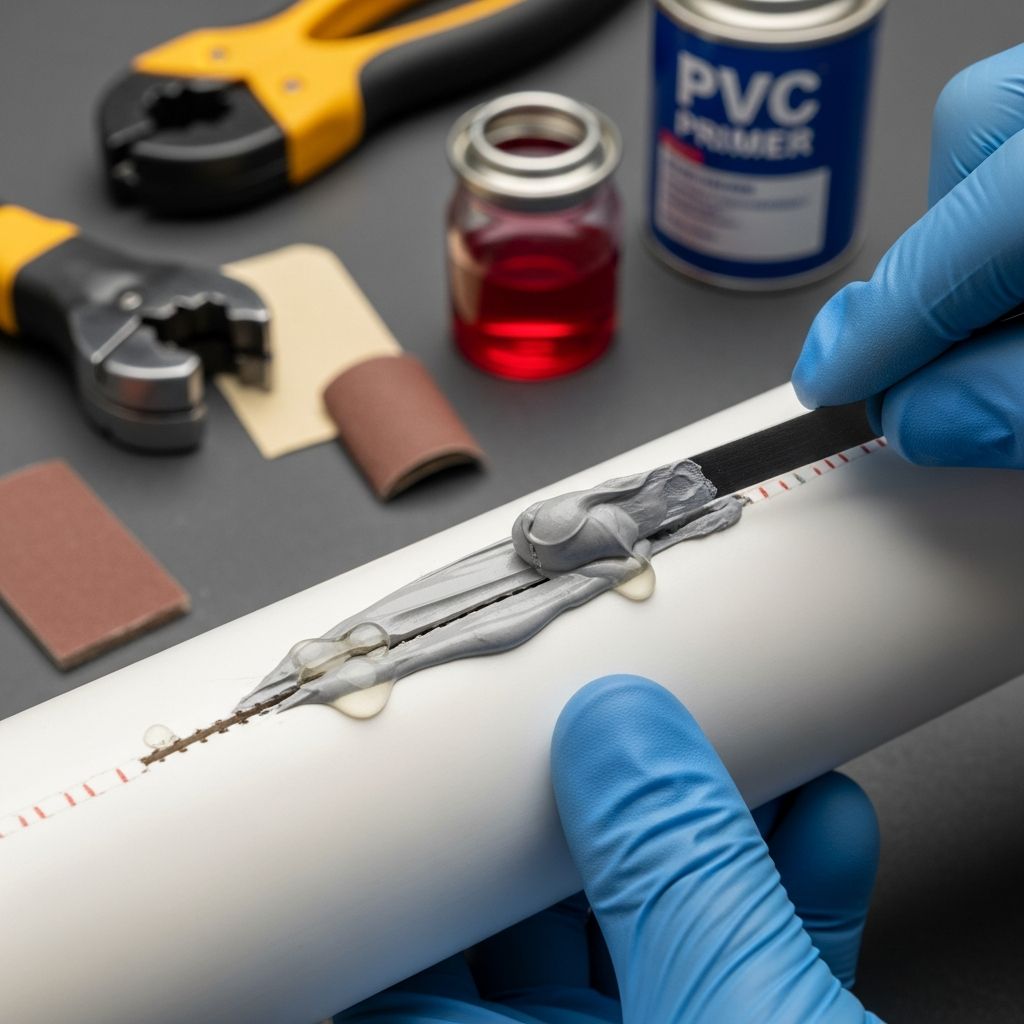
Polyvinyl chloride (PVC) pipes are durable and widely used in plumbing systems for water supply, drainage, and irrigation. However, they can develop cracks from ground shifts, freezing temperatures, impacts, or age-related brittleness. Addressing these issues promptly prevents water damage, mold growth, and costly replacements. This guide explores reliable repair strategies, from quick fixes for minor damage to comprehensive replacements for severe cracks, empowering homeowners to restore functionality without professional help.
Understanding PVC Pipe Damage
Cracks in PVC pipes vary in severity. Hairline fractures often stem from thermal expansion or minor pressure surges, while larger splits result from physical trauma or installation flaws. Identifying the damage type is crucial: small pinholes suit patch methods, whereas longitudinal splits demand section removal. Common locations include underground lines, basement runs, and outdoor irrigation systems. Regular inspections, especially after harsh winters, can catch issues early.
Before repairs, shut off water supply and drain the line to work safely. Gather essentials like gloves, utility knife, sandpaper, measuring tape, and pipe cutter. For pressurized systems, release residual pressure to avoid surprises.
Quick Fixes for Minor Cracks
For superficial damage where replacement isn’t feasible, temporary seals buy time until a permanent solution. These methods excel in tight spaces or when water is flowing intermittently.
- Rubber Repair Tape Application: This self-fusing tape bonds to itself, forming a flexible barrier. Clean the area with soap and dry thoroughly. Stretch the tape and wrap it overlapping by 50% beyond the crack, applying firm pressure for 2-3 layers. Effective for pressures up to 100 PSI temporarily.
- Silicone Tape Seals: Similar to rubber but more elastic, ideal for vibrating pipes. Wrap tightly after surface prep; it resists chemicals and UV exposure.
These hold for weeks but monitor for slippage under constant pressure.
Durable Patching with Epoxy Products
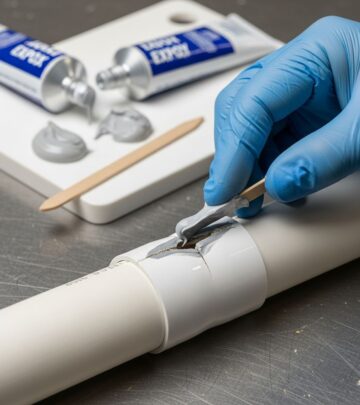
Epoxy putty offers a semi-permanent seal for holes up to 1/4 inch. This two-part compound hardens into a waterproof plug.
- Mix equal parts of resin and hardener until uniform color.
- Abade the crack with 120-grit sandpaper for adhesion.
- Press putty into the fissure, building a 1/4-inch mound over it.
- Smooth with a wet finger; cure time is 1 hour, full strength in 24 hours.
For enhanced durability, overwrap with fiberglass tape post-cure. This combo withstands 150 PSI and hot water up to 200°F.
Fiberglass Reinforcement Techniques
Fiberglass resin tape provides a rigid, high-strength sleeve, mimicking professional sleeve repairs. It’s versatile for pipes 1/2 to 6 inches in diameter.
Step-by-Step Process:
- Sand and clean a 4-inch span around the crack.
- Immerse tape in water to activate resin.
- Wrap helically with 50% overlap, minimum 4 layers.
- Cure 30 minutes; sand smooth if needed.
This method excels for buried pipes, resisting soil loads and corrosion. Avoid on flexible sections to prevent cracking at edges.
Clamp and Compression Solutions
For leaks at joints or medium splits, mechanical clamps secure without adhesives.
| Method | Best For | Tools Needed | Durability |
|---|---|---|---|
| Hose Clamp over Tape | Splits <2 inches | Clamps, tape, wrench | Medium (6-12 months) |
| U-Bolt Pipe Clamp | Joint leaks | Clamp kit, screwdriver | High (indefinite) |
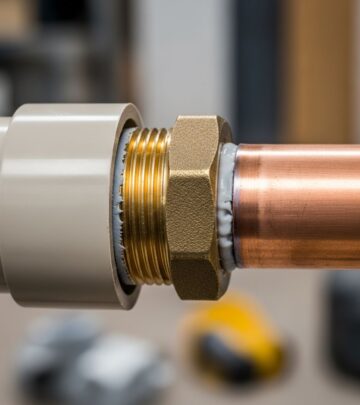
| Compression Coupling | Straight sections | Coupling, wrench | Permanent |
Position clamps 1 inch apart over wrapped rubber tape; torque to manufacturer specs. Compression fittings slide over ends without glue, tightening via nuts for no-dig repairs.
Full Section Replacement Procedures
Severe cracks require excising the damaged part and splicing new pipe. This gold-standard fix ensures longevity.
Preparation:
- Locate and expose pipe; dig minimally.
- Cut out 2 inches beyond damage using ratchet cutter for clean edges.
- Debur ends with utility knife and sand.
Assembly:
- Dry-fit new pipe and couplings (slip or standard).
- Apply purple primer to sockets and spigots; wait 10 seconds.
- Brush cement generously; insert with 1/4 turn.
- Hold 30 seconds; cure 15 minutes before pressure test.
In confined areas, employ the “four 90s” technique: attach two 90-degree elbows on each pipe end, connect with short nipples for maneuverability.
Special Scenarios and Pro Tips
Underground and Buried Repairs
Minimize excavation with access holes. Use push-fit couplings or epoxy sleeves. Backfill with compacted soil, avoiding rocks near the pipe.
Pressurized vs. Drain Lines
Water supply pipes demand solvent welds; drains tolerate tape or clamps longer. Test repairs at 1.5x operating pressure.
Preventive Maintenance
- Insulate against freezes.
- Avoid oversize fittings causing stress.
- Schedule annual pressure tests.
Opt for Schedule 40 PVC for mains, Schedule 80 for impacts.
Safety and Common Mistakes
Wear eye protection during cutting; ventilate for primers. Errors include insufficient primer (weak bonds), over-cementing (blockages), or testing too soon (failures). If unsure, consult codes like IPC requiring licensed pros for mains.
Frequently Asked Questions
Can I repair PVC without cutting?
Yes, for small cracks, use epoxy putty or fiberglass tape without section removal.
How long do tape repairs last?
Temporary: days to months; not for permanent high-pressure use.
What’s the best glue for PVC?
PVC primer and medium-body cement for joints; follow ASTM D2564 standards.
Can I fix a leak underground?
Yes, with minimal digging using compression fittings or sleeves.
Is epoxy safe for potable water?
Select NSF-61 certified products only.
Advanced Options for Tough Cases
For recurring issues, consider epoxy lining: insert a resin-saturated liner that cures to form a new inner pipe, ideal for multiple cracks without digging. Professional trenchless methods like cured-in-place pipe (CIPP) restore full integrity.
Stock a kit with tape, epoxy, clamps, primer/cement, and cutters for emergencies. With practice, most repairs take under an hour, saving hundreds versus plumber fees.
References
- How To Repair PVC Pipes — This Old House. 2023-05-15. https://www.thisoldhouse.com/plumbing/pvc-pipe-repair
- How to Patch PVC Pipe: 10 Expert Methods for 2025 — Dave Pools. 2024-12-01. https://davepools.com/how-to-patch-pvc-pipe/
- How To Repair a Leaking PVC Pipe: Tips & Tricks — Maxx Supply. 2024-08-20. https://maxx-supply.com/blog/how-to-repair-a-leaking-pvc-pipe-tips-tricks/
- Saving Money and Hassle: DIY Pipe Leak Repair Techniques — Call Wisler. 2023-11-10. https://callwisler.com/saving-money-and-hassle-diy-pipe-leak-repair-techniques-you-can-try/
- How to repair PVC pipe: The four 90’s method — YouTube (Ramona’s Plumber). 2010-01-10. https://www.youtube.com/watch?v=WdYTg3oDKfU
- Ways to Repair PVC Pipes — New England Pipe Restoration. 2024-03-05. https://nepipe.com/ways-to-repair-pvc-pipes/
Similar Articles


Read full bio of Sneha Tete