Fixing Damaged Trim Molding
Master the art of restoring trim molding with practical DIY techniques for dents, gaps, and cracks to refresh your home's interior edges.
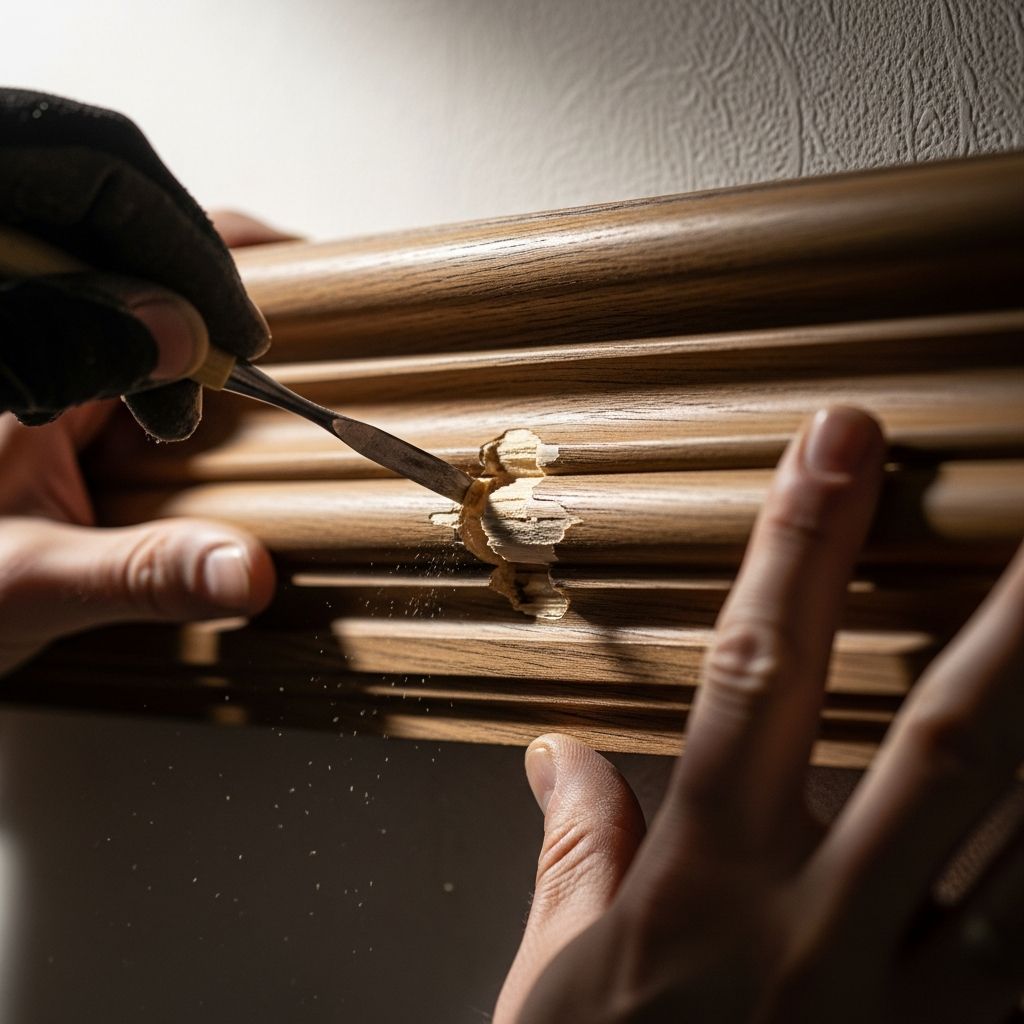
Trim molding enhances the architectural beauty of interiors, framing doors, windows, and ceilings with elegant lines. Over time, everyday wear from furniture shifts, pet activity, or moisture exposure can cause dents, cracks, gaps, or rot. Fortunately, most issues can be addressed through straightforward DIY repairs, saving costs and preserving your home’s aesthetic. This guide explores assessment techniques, material choices, and proven methods to restore trim to like-new condition.
Assessing Trim Damage Types
Before selecting a repair strategy, inspect the molding closely. Common problems include surface imperfections like scratches and dents, structural issues such as cracks or warping, and joint gaps where sections meet walls or ceilings. Moisture-related rot often appears as soft, discolored wood, particularly near windows or bathrooms. Minor flaws respond well to fillers, while severe damage may require section replacement.
- Surface dents and scratches: Shallow marks from impacts, ideal for putty or filler application.
- Gaps and seams: Spaces between trim and walls, often fixed with caulk.
- Cracks and splits: Hairline fractures from settling or humidity changes.
- Water damage or rot: Soft spots needing replacement to prevent spread.
- Warping or loose sections: Bent pieces due to humidity, requiring realignment or substitution.
Tools for inspection include a flashlight, putty knife, and moisture meter. Test suspect areas by pressing gently; firm resistance indicates viability for patching, while crumbling signals full replacement.
Essential Tools and Materials for Repairs
Gather supplies beforehand to streamline the process. Basic kits include sandpaper (120-220 grit), putty knives, caulk gun, and utility knife. Specialized items like epoxy fillers or Bondo-style wood hardeners excel for deep repairs.
| Category | Items | Purpose |
|---|---|---|
| Fillers | Wood putty, drywall mud, epoxy stick, Bondo wood filler | Filling holes, dents; epoxy for permanent bonds |
| Sealants | Latex caulk (paintable) | Sealing gaps; avoids mess of silicone |
| Abrasives | Sandpaper sheets (150-220 grit), sanding block | Smoothing surfaces post-filler |
| Finishing | Primer, paint/stain, varnish, brushes/rollers | Matching existing finish |
| Cutting | Miter saw, coping saw, measuring tape | Precise section replacement |
Prioritize paintable products for stained or painted trim to ensure seamless blending. Safety gear like gloves and dust masks protects during sanding and chemical mixing.
Filling Dents and Small Imperfections
For minor dents and nail holes, fillers provide quick, durable solutions. Wood putty suits stained trim; select shades matching your finish. Drywall mud works best on painted surfaces due to its paint adhesion.
- Clean the area with a damp cloth to remove dust.
- Press filler into the dent using a putty knife, overfilling slightly to account for shrinkage.
- Allow 24 hours drying time for standard fillers; epoxy hardens in minutes.
- Sand smooth with 220-grit paper, feathering edges for invisibility.
- Prime and paint or stain to match.
Epoxy putty sticks offer superior strength for high-traffic areas. Knead until uniform color, apply within 10 minutes, then sand after curing. This method yields permanent, shrink-free results indistinguishable from original wood. For deeper voids, Bondo wood filler with hardener sets in 10-15 minutes, resisting cracks better than traditional fillers. Mix thoroughly on a disposable surface, apply hastily, and shave excess before full sanding.
Sealing Gaps with Caulk
Gaps at trim-wall junctions arise from house settling or poor installation. Latex caulk fills these flexibly, accommodating minor movements.
- Cut caulk tube tip at 45 degrees for bead control.
- Apply steady pressure along the gap.
- Smooth with a wet finger or tool for a clean line.
- Dry overnight; paint to blend.
Avoid silicone for painted trim—it’s non-paintable and harder to clean. Test caulk flexibility post-dry to ensure durability.
Replacing Damaged Sections
When damage exceeds patching viability, swap out affected lengths. This preserves uniformity without full-room redo.
- Measure precisely, accounting for miters at corners.
- Purchase matching profile from hardware stores; polystyrene offers lightweight, affordable alternatives to wood.
- Pry off old piece carefully with a pry bar to reuse nails.
- Cut new section with miter saw; cope inside corners for tight fits.
- Nail or glue in place, fill seams, and finish.
Polystyrene resists rot but dents easily; paint masks its texture effectively. For rot-prone areas, opt for primed MDF or PVC trim.
Refinishing Scratches and Dull Finishes
Scratches and fading respond to sanding and restaining. This revives wood grain without full replacement.
- Sand lightly to bare wood, progressing grits for smoothness.
- Wipe clean; apply matching stain with cloth, wiping excess.
- Seal with 1-2 varnish coats for protection.
For painted trim, opt for eggshell finishes over gloss—they camouflage flaws better. Primer blocks stains from fillers, ensuring even coverage.
Advanced Techniques for Stubborn Damage
Deep gouges combine fillers: Use Bondo for bulk, topped with wood filler for fine nicks. Sand to rounded edges, avoiding sharp corners prone to chipping. Spray primers like shellac-based provide superior adhesion on tricky surfaces. For pet-chewed baseboards, sand fuzz first, then rebuild.
Preventing Future Trim Damage
Prolong repairs with maintenance: Control humidity (40-60%), use furniture pads, and inspect quarterly. Apply protective topcoats annually. In moist areas, install splash guards or vent properly.
Common Mistakes to Avoid
- Underfilling dents, leading to shrinkage cracks.
- Rushing epoxy or Bondo mixing—results in uneven curing.
- Skipping primer, causing finish mismatches.
- Over-sanding, altering profile shape.
FAQ
What filler is best for painted trim?
Drywall mud or paintable epoxy; sands smoothly and accepts paint without bleed-through.
How long does wood filler take to dry?
Typically 24 hours; quick-set epoxy in 10-60 minutes.
Can I repair rotted trim without replacing it?
No—rot spreads; excise and replace to avoid structural weakness.
Is polystyrene trim durable?
Yes for interiors; lightweight, rot-resistant, but paint to hide texture.
What’s the best finish for hiding imperfections?
Eggshell or satin paint; less reflective than gloss.
References
- Interior Trim Repair: How to Fix Damaged Trim and Moldings — Mr. Handyman. 2020-10-01. https://www.mrhandyman.com/keller-roanoke-alliance/about-us/ask-a-pro/2020/october/interior-trim-repair-how-to-fix-damaged-trim-and/
- Fixing/Filling Damaged Trim and Millwork — Reality Daydream. N/A. https://realitydaydream.com/fixing-filling-damaged-trim-and-millwork/
- The Baseboard Repair Method That Changes Everything!!! — YouTube (Transcript). N/A. https://www.youtube.com/watch?v=xL274XNUzLc
- The Holy Grail of Baseboard Repair!!! — YouTube (Transcript). N/A. https://www.youtube.com/watch?v=VKy9YU5dBYc
Similar Articles








Read full bio of Sneha Tete