Fixing Drywall Damage After Wallpaper Removal
Transform torn and damaged walls into smooth surfaces ready for painting with these proven step-by-step drywall repair techniques.
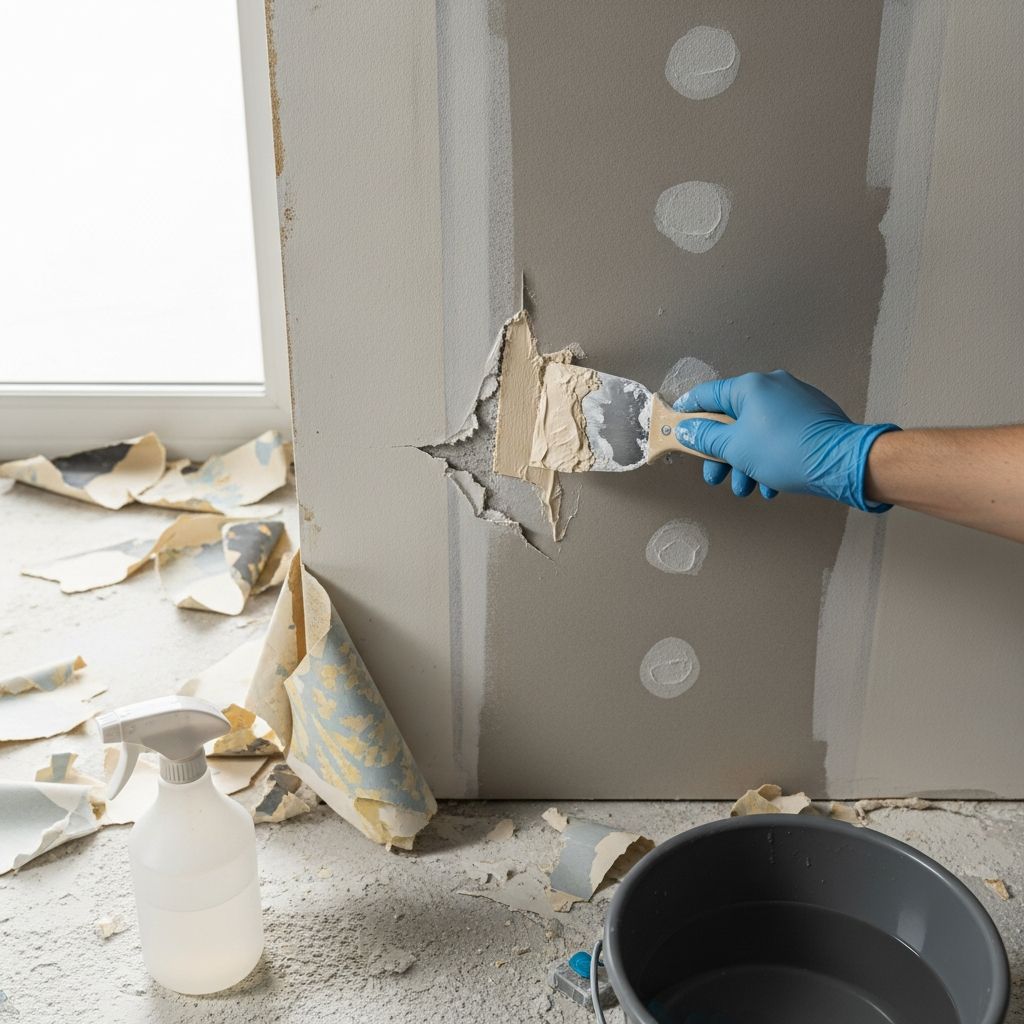
Removing wallpaper often reveals underlying drywall issues like torn paper, adhesive residue, and gouges that can ruin a fresh paint job if not addressed properly. This guide provides a complete roadmap for restoring walls to a smooth, paint-ready state using reliable techniques backed by professional practices.
Understanding Common Wall Injuries from Wallpaper Stripping
Wallpaper removal frequently damages the gypsum board’s protective paper layer, exposing the fragile core beneath. This occurs because aggressive stripping methods, such as scraping or chemical solutions, pull away not just the paper but also the drywall’s surface. Common problems include frayed edges, deep tears, residual glue bubbles, and uneven textures that absorb paint unevenly, leading to bubbling or peeling over time.
Exposed brown paper on drywall is particularly problematic as it readily soaks up moisture from primers or paints, causing the material to delaminate. Yellow stains from certain adhesives further complicate repairs, signaling the need for specialized sealing before any filling or coating begins.
Gathering Essential Tools and Materials for Successful Repairs
Before starting, assemble a toolkit tailored for drywall restoration. Key items include a dustless sander with 100-220 grit paper, wide drywall knives (6-12 inches), setting-type joint compounds like Durabond and Easy Sand, oil-based or shellac primers such as Zinsser’s BIN, and basic supplies like painter’s tape, drop cloths, and a spray bottle for misting.
- Sanding tools: Pole sander or hand sander for precision on high spots and bubbles.
- Compounds: Durabond for deep fills (sets hard without shrinkage), Easy Sand for faster finishing coats.
- Sealants: Shellac-based primers to lock down loose fibers; alternatives like diluted glue for small spots.
- Application aids: Paint rollers for initial skim coats, large trowels for smoothing.
These materials ensure durable repairs that mimic factory-smooth drywall, preventing future failures.
Initial Cleanup: Removing Loose Debris and Smoothing High Spots
Begin by clearing all loose wallpaper scraps, glue globs, and flaking paper. Use a wide putty knife to gently scrape without gouging deeper into the gypsum. Vacuum thoroughly to eliminate dust, which can embed in repairs and create imperfections.
Next, tackle raised areas around tears. Sand with 100-120 grit paper to level the surface, feeling for hollow spots where paper has lifted. A dustless system minimizes mess and health risks from airborne particles. This step creates a uniform base for sealing.
Sealing Exposed Drywall Paper: The Critical First Defense
Sealing prevents moisture reactivation of residual paste and stabilizes torn paper. Apply an oil-based or alcohol primer like Zinsser’s BIN directly over brown paper with a brush or roller. This product penetrates and hardens fibers, making them scrape-resistant if further lifting occurs.
For budget options on minor tears, mix Elmer’s glue with water (1:1 ratio) and brush it on. It acts as a clear sealant, locking down edges without color tinting issues. Allow full drying, then lightly sand (220 grit) to detect and fix any missed lifts. Avoid water-based products here, as they reactivate glue, causing bubbling.
| Sealer Type | Best For | Pros | Cons |
|---|---|---|---|
| Zinsser’s BIN Shellac | Large areas, stains | Fast-drying, superior penetration | Strong odor, higher cost |
| Diluted Elmer’s Glue | Small tears | Cheap, easy to source | Less durable on big jobs |
| Oil Primer | Glue-heavy spots | Hardens paste quickly | Yellowing potential |
Filling Gouges and Voids with Setting Compounds
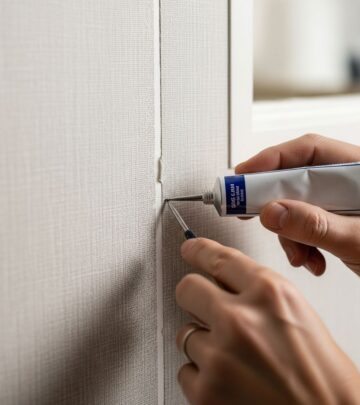
Once sealed, fill depressions using Durabond, a powdered setting compound mixed with water. It hardens via chemical reaction (not evaporation), minimizing shrinkage and allowing multiple layers without cracking. Press into voids with a 6-inch knife, overfilling slightly, and let set (20-90 minutes depending on formula).
Follow with Easy Sand for build-up coats, as it’s sandable sooner than premixed mud. Apply thin layers, feathering edges 12 inches beyond the repair to blend seamlessly. Two to three coats typically suffice for moderate damage.
Skim Coating for Extensive Damage: Achieving Factory Smoothness
For walls with widespread tears, full skim coating restores uniformity. Thin USG All-Purpose compound with water and roll it on like paint using a 1/2-inch nap roller. Immediately knock down with a 24-inch blade using light pressure to avoid trowel marks.
Dry fully (overnight), then apply a second coat, sanding lightly between. This technique embeds remaining imperfections under a fresh surface layer, ideal before priming.
Sanding and Final Prep for Painting
Final sanding with 220-grit paper creates a silky finish. Work in circular motions, wiping dust frequently with a microfiber cloth. Inspect under raking light for missed spots. Tint your final primer lightly (e.g., ceiling white) to highlight repairs during sanding.
Prime with a drywall-specific product like high-build primer to seal all repairs and ensure even paint absorption. Two coats recommended for best results.
Advanced Tips for Challenging Repairs
- Stain blocking: Yellow glue stains require shellac to prevent bleed-through.
- Corner repairs: Use mesh tape over seams before compounding.
- Humidity control: Work in moderate conditions; high moisture slows setting.
- Speed boosts: Setting compounds cut drying time versus air-dry mud.
Preventing Future Wallpaper Removal Disasters
To avoid repeats, test wallpaper adhesion before removal and use scoring tools with steamers. Apply oil-based primers post-removal on all jobs. For new installs, prime walls first with a wallpaper-specific sealer.
Frequently Asked Questions (FAQs)
Can I paint directly over torn drywall paper?
No, unsealed paper absorbs paint, leading to bubbles. Always seal first with shellac or glue.
How long do setting compounds take to cure?
Durabond sets in 20-90 minutes; full strength in hours, versus days for premixed.
What’s the best sander for drywall repairs?
Dustless random orbit or pole sanders with drywall-specific paper prevent mess and achieve smooth results.
Is skim coating necessary for minor damage?
Not always; spot fills suffice, but skim for uniform texture on heavily damaged walls.
Will repairs show under new paint?
Proper feathering, sanding, and priming ensure invisible fixes.
References
References
- Repairing Drywall After Removing Wallpaper — Fine Homebuilding. 2022-06-21. https://www.finehomebuilding.com/2022/06/21/repairing-drywall-after-removing-wallpaper
- Fix Walls Ruined by Wallpaper Removal – Spencer Colgan — YouTube (Spencer Colgan). Accessed 2026. https://www.youtube.com/watch?v=ziavslQManM
- HOW TO REPAIR TORN SHEETROCK AFTER WALLPAPER REMOVAL — YouTube. Accessed 2026. https://www.youtube.com/watch?v=Eq8Iub3BeBo
- How to Repair Drywall After Removing Wallpaper — Cinday Painters LLC. Accessed 2026. https://cindaypaintersllc.com/how-to-repair-drywall-after-removing-wallpaper/
Similar Articles



Read full bio of medha deb