Fixing Frameless Shower Doors: Step-By-Step DIY Guide
Master the art of aligning and adjusting frameless shower doors for a leak-free, smooth-operating bathroom upgrade that lasts.
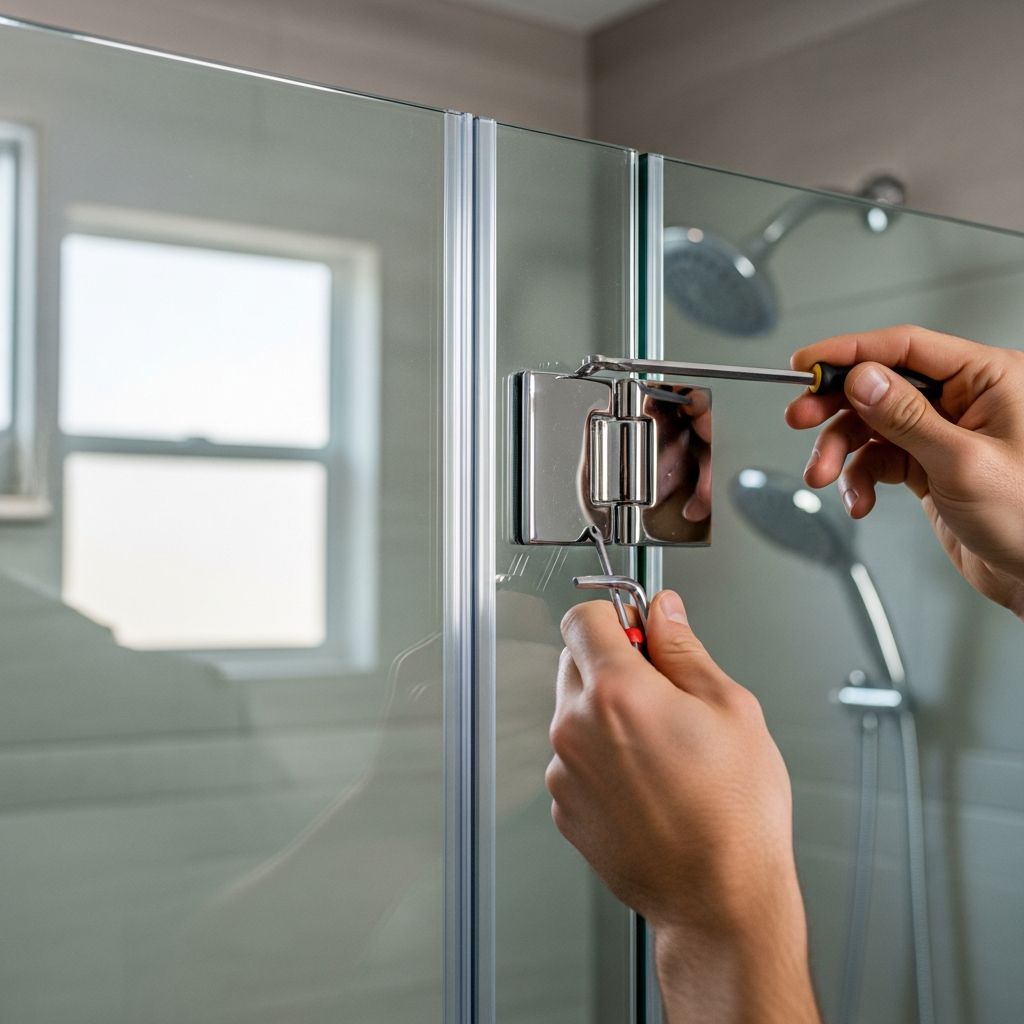
Fixing Frameless Shower Doors: A Complete DIY Guide
Frameless shower doors offer a sleek, modern look to any bathroom, but over time, they can develop issues like sagging, gaps, or poor sealing due to hinge misalignment. This guide provides detailed instructions to restore their functionality using basic tools and techniques.
Understanding Frameless Shower Door Mechanics
These doors consist of heavy tempered glass panels supported primarily by hinges mounted to the wall or adjacent panels. Unlike framed options, they lack metal channels, making precise hinge adjustments essential for stability and water containment. Hinges typically handle 80-100 pounds per door and feature screws for vertical, horizontal, and tension control.
Common hinge types include wall-to-glass for standard setups and glass-to-glass for enclosures with side panels. Each offers multiple adjustment points to fine-tune position without disassembly.
Essential Tools and Safety Precautions
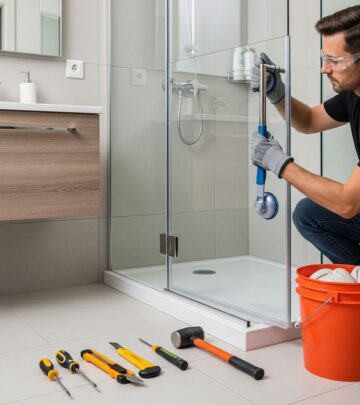
Before starting, assemble these items:
- Phillips and flathead screwdrivers
- Allen wrench set (metric and standard sizes)
- 36-inch level
- Measuring tape
- Pencil for markings
- Safety glasses and gloves
- Helper for supporting the heavy glass
- Silicone lubricant (for maintenance)
Work with a partner, as doors weigh significantly and improper handling risks breakage. Clear the area of obstacles and test stability before adjustments.
Diagnosing Common Problems
Inspect the door thoroughly:
- Sagging: Gap at the top, contact at bottom.
- Misalignment: Uneven gaps on sides or scraping sounds.
- Poor closing: Door swings too far or not fully shut.
- Leaks: Water escapes along edges during use.
- Binding: Resistance when opening/closing.
Open and close the door 10-15 times, observing from multiple angles. Use a level on the glass edge and measure gaps with tape. Note hinge conditions for wear or looseness.
Step-by-Step Hinge Adjustment Process
Vertical Alignment (Fixing Sag)
Locate vertical screws on each hinge, often under caps. Loosen set screws first if present. Turn adjustment screws clockwise to raise or counterclockwise to lower, in quarter-turn increments. Check level after each hinge (top and bottom simultaneously).
| Hinge Position | Adjustment Direction | Expected Result |
|---|---|---|
| Top Hinge | Clockwise tighten | Lifts door top |
| Bottom Hinge | Counterclockwise loosen | Lowers door bottom |
| Both Hinges | Balanced turns | Even height |
Horizontal Alignment (Side-to-Side Positioning)
Identify horizontal screws, usually on hinge sides. Loosen locking hex screws, then shift the door inward (toward wall) or outward. Retighten and test closure against seals or panels. Aim for uniform 1/16-inch gaps.
Tension and Swing Adjustments
For closing force, adjust tension screws: clockwise increases pull toward seal, counterclockwise loosens. Test swing arc to avoid over-tension straining glass. On pivot doors, tweak pivot points for free swinging.
Repeat across all hinges (typically 2-3 per door). Run shower water post-adjustment to verify no leaks.
Addressing Persistent Issues
If basic tweaks fail:
- Worn seals: Replace rubber gaskets promptly.
- Loose hardware: Tighten all screws without over-torquing.
- Hinge wear: Lubricate with silicone spray annually.
- Glass shift: Use shims under hinges if floor is uneven.
For semi-frameless doors, access internal rubber liners and screws via hinge panels.
Preventive Maintenance Schedule
Maintain alignment long-term:
- Monthly: Visual check for gaps.
- Quarterly: Tighten screws with level test.
- Annually: Lubricate pivots and clean hinges.
- As needed: Reseal edges with silicone caulk.
These steps extend door life beyond a decade.
Frequently Asked Questions (FAQs)
Can I adjust hinges alone?
No, glass is heavy; always use a helper to prevent drops.
What if adjustments don’t fix leaks?
Inspect seals or consider professional realignment.
How often should I check hinges?
Every 3-6 months, especially in high-use showers.
Are all hinges adjustable the same way?
Varies by brand; consult manual for specifics.
Will adjustments void warranty?
User adjustments typically do not, but document changes.
Advanced Tips for Perfect Results
For neo-angle or multi-panel setups, adjust sequentially from fixed panels outward. Use painter’s tape to mark positions pre-adjustment. If installing new doors, pre-align hinges plumb. Temperature fluctuations can affect seals; adjust in moderate conditions.
Post-adjustment, clean glass with non-abrasive products to showcase the seamless look. Proper tweaks not only stop leaks but enhance aesthetics and safety.
References
- How to Adjust Frameless Glass Shower Door Hinges — D&D Hardware. 2023. https://www.danddhardware.com/how-to-adjust-frameless-glass-shower-door-hinges.html
- How to adjust glass shower door hinges? — MAXGO Shower Hardware. 2024. https://www.shower-hardware.com/news/shower-hinge-adjust.html
- Adjusting Hinges on a Frameless Shower Door — YouTube (Transcript). 2022. https://www.youtube.com/watch?v=gQYTLZ63alw
- How to Adjust Your Frameless Shower Door — My Custom Shower Doors. 2023. https://www.mycustomshowerdoors.com/glass-and-mirror-blog/how-to-adjust-your-frameless-shower-door/
- Frameless Shower Doors DIY Hinge Adjustment — Kennesaw Glass. 2024. https://www.kennesawglass.com/frameless-shower-doors-3.html
Similar Articles


Read full bio of Sneha Tete