Fixing Frozen AC Coils: 5 Common Causes And Fixes
Discover why your central air conditioner freezes up and learn step-by-step solutions to restore cool air flow effectively.
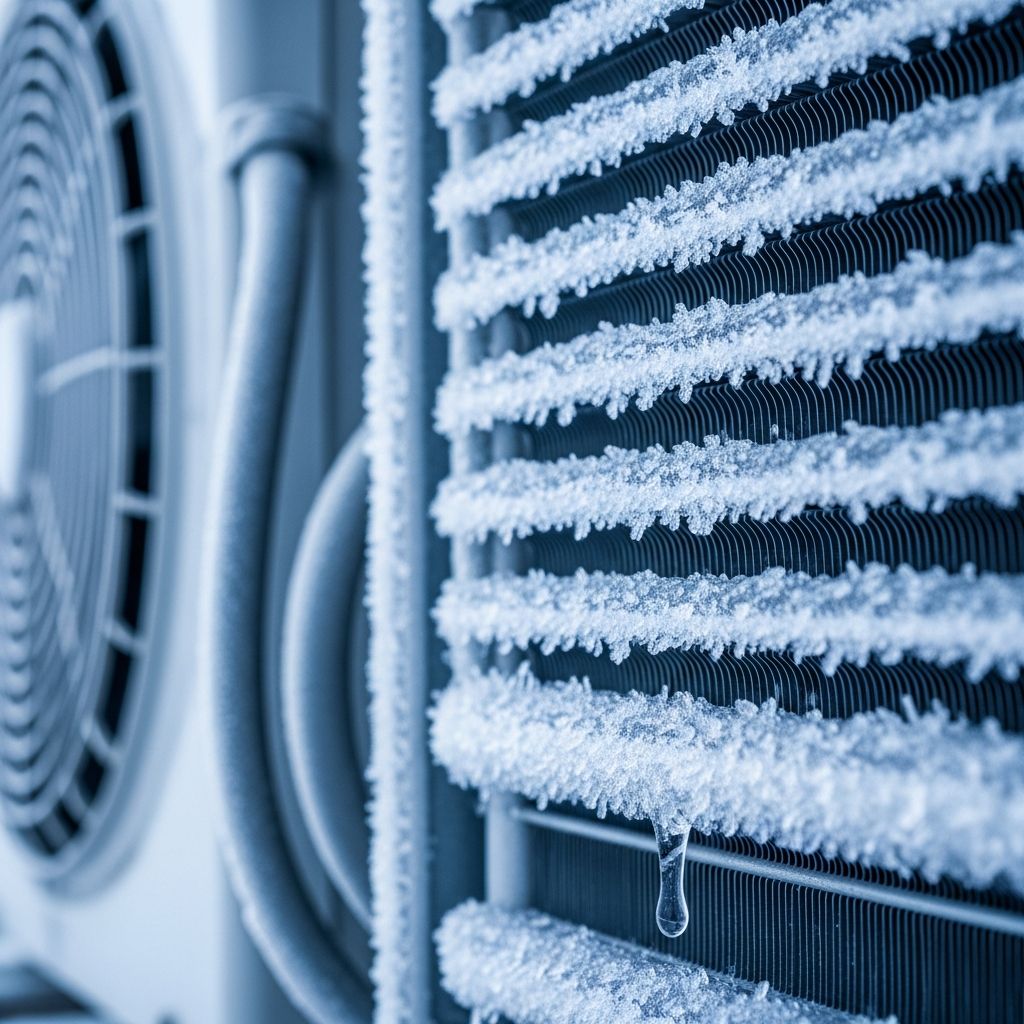
A frozen air conditioner can turn a comfortable home into a sweltering discomfort zone, especially during peak summer heat. Ice buildup on the evaporator coils disrupts cooling efficiency and risks damaging key components like the compressor. This guide provides a thorough exploration of why central AC units freeze, immediate response steps, detailed troubleshooting, and long-term prevention strategies. By understanding the root causes—ranging from simple maintenance oversights to complex system imbalances—you can restore functionality and avoid costly breakdowns.
Recognizing the Signs of a Frozen AC Unit
The first indicator of trouble is often warm air blowing from vents despite the thermostat set to cool. Other red flags include water pooling around the indoor unit, hissing sounds, or reduced airflow. These symptoms stem from ice formation on the evaporator coil, located inside the air handler or furnace. When ice accumulates, it blocks heat exchange, causing the system to malfunction.
Inspect the indoor coil by removing the access panel. If frost or thick ice covers the fins, confirm the issue. Never ignore this—operating a frozen unit strains the compressor, potentially leading to repairs exceeding $1,500. Early detection saves time and money.
Immediate Actions: Safely Thaw Your Frozen AC
Prioritize safety and system protection with these initial steps:
- Turn off cooling mode: Switch the thermostat from ‘cool’ to ‘off’ to halt refrigerant flow and prevent compressor damage.
- Activate the fan only: Set the blower to ‘on’ or ‘fan’ mode. Warm room air circulates over the coils, accelerating defrost without engaging the cooling cycle.
- Power down if needed: Flip the AC breaker to fully stop the system, allowing natural thawing over 24 hours if ice is severe.
- Avoid manual ice removal: Chipping or high-heat tools can bend fins or crack coils. Use low-heat hair dryers sparingly if accelerating thaw.
Expect thawing to take 1-24 hours depending on ice thickness. Place towels under the unit to catch meltwater and check the drain pan to prevent overflow. Once thawed, dry the coils thoroughly before testing.
Common Culprits Behind AC Coil Freezing
Ice forms when the evaporator coil drops below freezing, often due to restricted airflow or refrigerant imbalances. Here’s a breakdown of primary causes:
| Cause | Description | Frequency | DIY Fixable? |
|---|---|---|---|
| Dirty/Clogged Air Filter | Blocks airflow, causing coils to overcool and freeze | Most Common (50-60% cases) | Yes |
| Low Refrigerant Levels | Leaking refrigerant reduces pressure, lowering coil temperature | Common | No – Pro Required |
| Poor Airflow (Blocked Vents/Coils) | Closed registers, furniture over returns, or dirty coils limit air | Common | Yes |
| Oversized Unit | Too much cooling capacity short-cycles, preventing proper dehumidification | Occasional | No |
| Faulty Blower or Thermostat | Blower fan fails or wiring issues stop airflow mid-cycle | Less Common | Partial |
Airflow issues account for most residential cases, making them the best starting point for diagnosis.
Step-by-Step DIY Troubleshooting and Repairs
After thawing, systematically check and resolve issues. Tools needed: screwdriver, new filters, flashlight, multimeter (optional).
1. Replace the Air Filter
A filthy filter is the #1 freeze cause. Locate it near the return duct or air handler. Hold it to light—if you can’t see through, replace it. Opt for pleated filters (MERV 8-11) for better capture without restriction. Change monthly during cooling season.
2. Inspect and Clear Airflow Paths
- Open all supply vents fully.
- Move furniture/rugs from return vents.
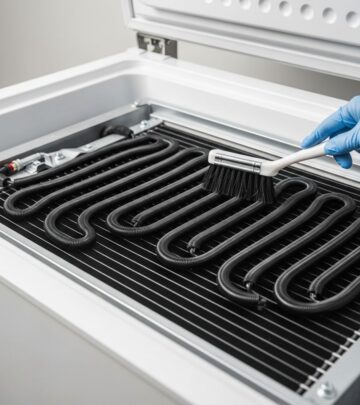
- Vacuum evaporator coils gently with a soft brush attachment. For heavy dirt, use coil cleaner spray (no-rinse formula).
Low airflow from these blocks heat absorption, freezing coils.
3. Check Thermostat and Fan Operation
Verify fan spins freely. Listen for unusual noises indicating bearing issues. Test thermostat wiring for loose connections. If fan doesn’t run on ‘on’ mode, suspect motor problems—call a pro.
4. Test the System
Restore power, set to ‘cool,’ and run for 15 minutes. Vents should blow cold air (15-20°F below room temp). Measure with a thermometer. If still warm, deeper issues persist.
Advanced Issues Requiring Professional Intervention
DIY fixes resolve 70% of freezes, but persistent problems demand HVAC expertise.
Refrigerant Leaks and Recharge
Low refrigerant mimics airflow issues but requires EPA-certified techs to handle. They use gauges to measure pressures, superheat, and subcooling, then locate/fix leaks before recharging. Common in older units using R-22 (phased out) or newer R-410A. Expect $200-800 cost.
System Sizing and Component Replacement
Oversized condensers (over 1 ton per 500-600 sq ft) cause short-cycling and ice. Pros calculate proper tonnage via Manual J load calc. Replacement involves evacuating refrigerant, swapping coils/condenser, brazing lines, and leak-testing— a $3,000+ job.
Dirty Evaporator or Blower Motor Failure
Deep coil cleaning or motor rebuilds need specialized tools. Static pressure tests confirm airflow blockages.
Preventing Future AC Freezes: Maintenance Best Practices
Proactive care extends unit life and avoids repeats.
- Annual tune-ups: Schedule pro inspections checking refrigerant, coils, and electricals.
- Filter schedule: Replace every 1-3 months; use high-quality filters.
- Vent management: Keep all vents clear year-round.
- Thermostat upgrade: Smart models prevent short-cycling.
- Humidity control: Use dehumidifiers if home humidity exceeds 60%—excess moisture aids freezing.
Track runtime: Systems running <10 or>20 minutes per cycle signal sizing issues.
Frequently Asked Questions (FAQs)
Can I run my AC with ice on the coils?
No— it damages the compressor. Turn off cooling immediately.
How long does it take for AC coils to thaw?
1-24 hours with fan on; speed up cautiously with low heat.
Is low refrigerant common in new AC units?
Rare, but leaks occur. Only pros recharge.
What if my AC freezes repeatedly after fixes?
Likely refrigerant leak or sizing issue—call HVAC service.
Should I cover my outdoor unit in winter?
Yes, but ensure breathable cover to prevent trapped moisture.
Cost Breakdown for Frozen AC Repairs
| Repair Type | Avg. Cost | DIY Possible? |
|---|---|---|
| Filter Replacement | $10-30 | Yes |
| Coil Cleaning | $100-200 (pro) | Partial |
| Refrigerant Recharge | $200-800 | No |
| Full Coil/Condenser Replace | $1,500-5,000 | No |
Costs vary by location/system age. Warranties may cover parts.
Equipped with this knowledge, homeowners can tackle most frozen AC issues confidently. Regular vigilance ensures reliable cooling through the hottest months.
References
- How to Fix a Frozen Air Conditioner — Service Experts. 2023. https://www.serviceexperts.com/blog/categories/cooling/how-to-fix-a-frozen-air-conditioner/
- How to Repair a Frozen Air Conditioner — This Old House. 2024-01-15. https://www.thisoldhouse.com/heating-cooling/how-to-repair-a-frozen-air-conditioner
- How to Repair a Frozen Air Conditioner | Ask This Old House — This Old House (YouTube). 2023. https://www.youtube.com/watch?v=-33wjzNxgSw
- Top 5 Causes of Frozen AC Coils and How to Fix Them — Trane. 2025-06-10. https://www.trane.com/residential/en/resources/blog/frozen-evaporator-coil-causes/
- How to Fix a Frozen AC Unit — American Home Shield. 2024. https://www.ahs.com/home-matters/repair-maintenance/frozen-ac-unit/
- Ice on Your HVAC Unit: 3 Causes and How to Fix It — Griffith Energy Services. 2024-03-20. https://www.griffithenergyservices.com/ice-hvac-unit-3-causes-fix/
Similar Articles



Read full bio of medha deb