Fixing Hairline Cracks in Ceramic Floor Tiles
Expert guide to repairing subtle cracks in ceramic tiles, restoring floors without full replacement for lasting durability.
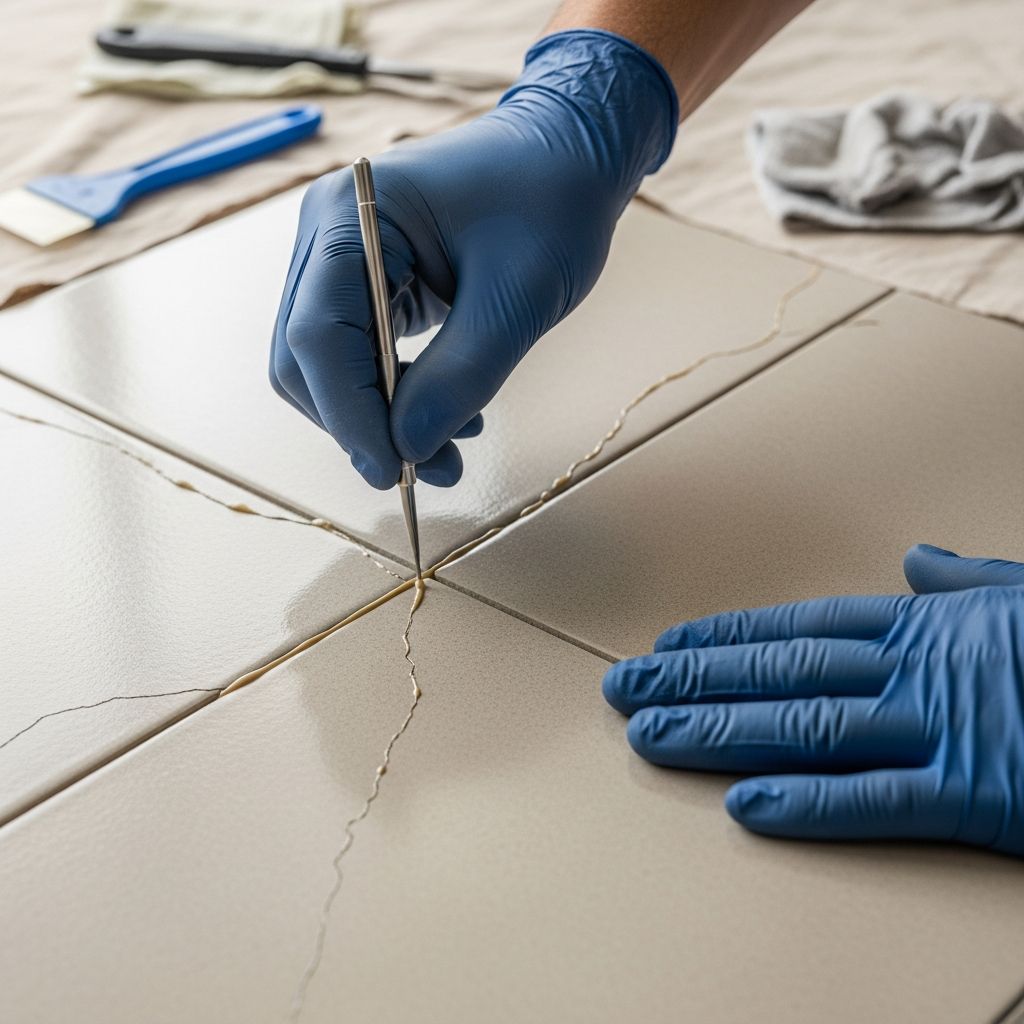
Hairline cracks in ceramic floor tiles are common issues that arise from everyday wear, temperature fluctuations, or minor settling in homes. These thin fissures, often barely visible, can worsen over time if not addressed, leading to larger breaks or water infiltration under the tiles. Fortunately, most can be repaired with basic tools and materials like epoxy fillers, achieving results that blend seamlessly with surrounding tiles without needing a full replacement.
Understanding Hairline Cracks: Causes and Early Detection
Hairline cracks typically measure less than 1/16 inch wide and appear as fine lines across the tile surface. They form due to several factors. First, thermal expansion and contraction occur as floors heat up from sunlight or cool down at night, stressing the rigid ceramic material. Heavy furniture movement or dropped objects can create impact points, while subfloor settling from foundation shifts exerts uneven pressure. Moisture trapped beneath tiles during installation can also expand and contract, exacerbating fissures.
To detect these cracks early, inspect floors during routine cleaning. Run your fingernail along suspected areas; if it catches slightly, a crack is present. Use a flashlight at a low angle to highlight shadows in the lines. High-traffic zones like kitchens and bathrooms show them first. Early intervention prevents dirt accumulation, which widens cracks and invites mold.
- Visual signs: Thin, straight or spiderweb lines without significant chipping.
- Tactile signs: Slight roughness or depth when touched.
- Functional signs: Minor rocking of the tile or grout separation nearby.
Essential Tools and Materials for Effective Repairs
Gathering the right supplies ensures a smooth process. Start with a clean workspace by sweeping debris away.
| Category | Item | Purpose |
|---|---|---|
| Cleaning | Rubbing alcohol, soft brush, microfiber cloths | Remove dirt and oils for better adhesion |
| Protection | Painter’s tape (blue or green), plastic sheeting | Mask surrounding areas |
| Filling | Two-part epoxy or polyester filler, toothpicks, mixing palette | Fill and seal cracks |
| Finishing | Artist brushes, acrylic paints, clear urethane sealant, 220-grit sandpaper | Color match and protect |
| Tools | Straight razor blade, utility knife | Level and trim excess |
Choose epoxy matched to your tile color if available; otherwise, plan for painting. Work in a ventilated area as some fillers emit fumes.
Step-by-Step Guide to Cleaning and Preparing the Area
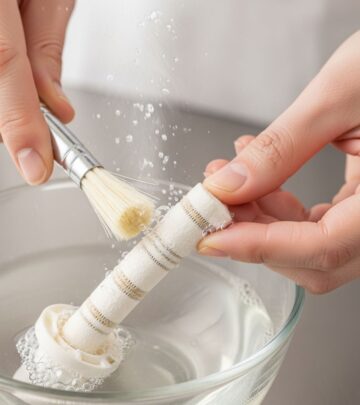
Preparation is crucial for adhesion. Begin by vacuuming loose particles from the crack. Dampen a cloth with rubbing alcohol or soapy water and gently clean the fissure, avoiding excess moisture that could seep underneath. For stubborn grime, use a soft toothbrush. Allow 30-60 minutes for complete drying.
Apply painter’s tape around the crack, leaving the line exposed but protecting adjacent tiles. Overlap tape strips for full coverage. This prevents filler spillover and simplifies cleanup. If multiple cracks exist, tackle one at a time to maintain control.
Filling the Crack with Durable Epoxy
Two-part epoxy is ideal for hairline cracks due to its strength and clarity. Mix equal parts resin and hardener on a disposable palette using a toothpick. Work quickly as it sets in 5-10 minutes. Insert the mixture into the crack, slightly overfilling to account for shrinkage. Use the toothpick to press it deep, ensuring no air pockets remain.
For wider hairlines, apply in layers, waiting 1 hour between coats. Once filled, let cure for 24 hours. The epoxy bonds permanently, flexing slightly with the tile to resist future cracking.
Leveling, Sanding, and Color Matching
After curing, remove tape carefully. Hold a straight razor blade flat against the tile and scrape excess epoxy flush. Follow with 220-grit sandpaper in circular motions for smoothness. Wipe dust away.
Color matching elevates the repair. Dab acrylic paint with an artist brush, layering thinly for the tile’s glaze tone. Test on scrap first. For glossy finishes, apply 1-2 coats of clear urethane topcoat, drying 12 hours between layers. This protects against wear and UV fading.
Advanced Techniques for Stubborn or Multiple Cracks
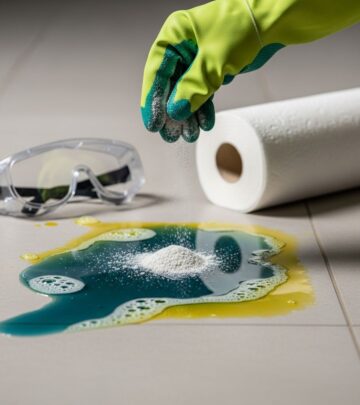
For cracks near grout lines, reinforce by cleaning grout first with an oxygen bleach solution—mix powder with water, apply, let fizz for 15 minutes, then scrub. Refill cracks as above, then regrout if needed.
If the tile rocks, indicating subfloor issues, lift gently, apply thin-set adhesive underneath, and weight down for 24 hours. For extensive damage, consider polyester fillers for deeper penetration or professional assessment to avoid slab problems.
Preventing Future Hairline Cracks in Ceramic Floors
Proactive steps extend tile life. Maintain even humidity with dehumidifiers in bathrooms. Use felt pads under furniture legs to distribute weight. Avoid dragging heavy items; lift instead. Seal grout annually with penetrating sealers. Temperature control via rugs in sunlit areas minimizes expansion stress.
- Regular sealing blocks moisture ingress.
- Furniture pads reduce point pressure.
- Humidity monitoring prevents warping.
Safety Precautions and Common Mistakes to Avoid
Wear gloves when handling epoxies to prevent skin irritation. Ventilate rooms and avoid open flames near fumes. Test fillers on inconspicuous areas first.
Common pitfalls include underfilling (causing sinks), poor cleaning (weak bonds), and skipping topcoats (premature wear). Patience with drying times ensures longevity—rushing leads to failures.
Frequently Asked Questions (FAQs)
What causes hairline cracks in ceramic tiles?
They result from thermal changes, impacts, subfloor movement, or moisture expansion, common in high-traffic areas.
Can I repair cracks without removing the tile?
Yes, epoxy filling works for hairlines without lifting, saving time and cost over replacement.
How long does an epoxy repair last?
With proper application and sealing, repairs endure years under normal foot traffic.
Is professional help needed for multiple cracks?
DIY suits isolated issues; widespread cracking signals subfloor problems requiring experts.
What if the crack reappears after repair?
Underlying movement persists—stabilize the subfloor or replace the tile.
Long-Term Floor Maintenance for Crack-Free Tiles
Beyond repairs, integrate cleaning routines using pH-neutral cleaners to preserve glaze integrity. Sweep daily, mop weekly, avoiding abrasives. Annual inspections catch issues early. For vintage floors, consult standards from the Tile Council of North America for authentic restoration.
Investing in quality underlayment during future renos buffers against settling. Radiant heating mats distribute warmth evenly, reducing stress points.
References
- Fix A Floor: Repair Loose Ceramic Tile – DIY Guide — Ask the Builder (Carter Oosterhouse). 2023-05-15. https://www.youtube.com/watch?v=DXR1GmcPxEM
- Got Chipped Floor Tile? Try This Fix! — Instructables Community. 2022-11-08. https://www.instructables.com/Got-Chipped-Floor-Tile-Try-This-Fix/
- The Ultimate Guide to Tile Restoration — Contractors Direct. 2024-03-20. https://www.contractorsdirect.com/blogs/news/the-ultimate-guide-to-tile-restoration
- How to Fix Chipped or Cracked Tile — The Tile Shop. 2023-08-12. https://www.youtube.com/watch?v=879obfYId_g
- ANSI A137.1 Specifications for Ceramic Tile — Tile Council of North America (TCNA). 2024-01-01. https://www.tcnatile.com/resource-center/standards/
Similar Articles








Read full bio of medha deb