Fixing Leaky Boiler Drain Valves: Complete DIY Guide
Master the art of repairing and replacing boiler drain valves to prevent water loss, ensure system efficiency, and avoid costly damage in your heating setup.
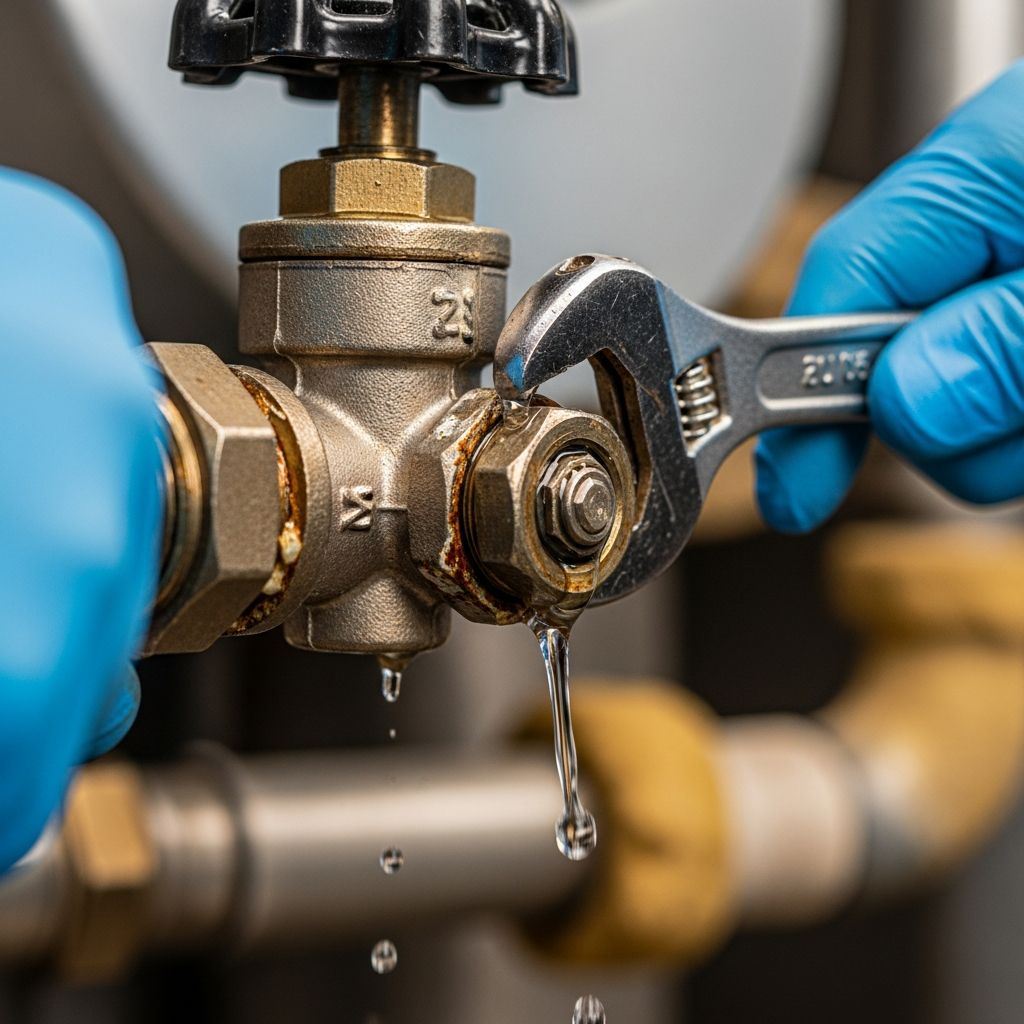
Fixing Leaky Boiler Drain Valves: A Complete DIY Guide
Boiler drain valves are essential components in heating systems, allowing homeowners to flush sediment, perform maintenance, or winterize the unit. When these valves start leaking, they can lead to water waste, pressure drops, and potential system failures. This guide provides a thorough approach to diagnosing the issue, performing repairs, and replacing the valve if needed, empowering you to handle the job confidently at home.
Understanding Boiler Drain Valves and Common Leak Sources
These valves, often ball or gate types, connect to the boiler’s lowest point for complete draining. Leaks typically arise from worn seals, corroded threads, loose fittings, or damaged handles. Identifying the leak type—dripping stem, body seepage, or connection joints—guides the fix. Regular checks during annual maintenance prevent escalation.
- Stem leaks: Occur around the handle due to faulty packing nuts.
- Body leaks: Indicate internal corrosion or cracks.
- Thread leaks: Result from degraded tape or gaskets at pipe connections.
Gathering Essential Tools and Materials
Preparation is key to a smooth repair. Assemble these items beforehand to minimize downtime.
| Category | Items | Purpose |
|---|---|---|
| Basic Tools | Adjustable wrench, pipe wrench, channel-lock pliers, screwdrivers | Gripping, turning, and loosening fittings |
| Cleaning Tools | Wire brush, rags, bucket | Removing debris and catching drips |
| Sealing Supplies | Teflon tape, pipe dope, replacement gaskets | Ensuring watertight connections |
| Safety Gear | Flashlight, voltage tester, gloves | Illumination, electrical checks, protection |
| Replacement Parts | New drain valve (match size/pressure rating), hose if needed | Full swap for irreparable units |
Opt for brass or stainless steel valves for durability in boiler environments. Verify compatibility with your model’s pressure specs, typically 30-50 PSI.
Safety Protocols Before Starting Work
Boilers involve hot water, electricity, and pressure—prioritize safety to avoid burns, shocks, or floods.
- Switch off power at the breaker and confirm with a voltage tester.
- Shut the main water supply valve fully (clockwise).
- Drain existing pressure via the valve or relief valve.
- Allow cooling if recently operated—wait 2-3 hours.
- Place buckets and towels under the work area.
Pro tip: Label all shut-off points for quick reference post-repair.
Diagnosing the Leak: Step-by-Step Inspection
Not all leaks require full replacement; start with assessment.
Wipe the valve dry and observe for 10-15 minutes under normal pressure. Note drip locations:
- Handle/stem drip: Tighten packing nut 1/4 turn clockwise; if persists, repack.
- Union joint seep: Check for loose nuts; snug with wrenches.
- Continuous flow: Valve likely seized or cracked—proceed to replacement.
Use soapy water on joints; bubbles pinpoint hidden leaks. Pressure test post-tightening by slowly reopening supply.
Repairing Minor Leaks Without Full Replacement
For stem or minor thread issues, try these targeted fixes first.
Tightening and Repacking the Stem
- Close system isolation valves.
- Loosen then retighten packing nut gently—avoid over-torquing.
- If leaking, remove handle, clean stem, wrap with Teflon tape or add pipe dope.
- Reassemble and test.
Sealing Threaded Connections
Disconnect hoses, clean threads with wire brush, apply 3-4 wraps of Teflon tape clockwise, reconnect hand-tight plus 1/2 turn with wrench. Forum users report success with vice grips on female ends for stability.
Full Valve Replacement Procedure
If repairs fail, replace the valve. Time: 1-3 hours; skill: intermediate.
Phase 1: System Isolation and Draining
Power off, water supply closed, open drain valve to release pressure. Attach garden hose to divert water outdoors. Videos show isolating nearby pump valves too for zero flow.
Phase 2: Removing the Faulty Valve
- Position drain pan below.
- Loosen union nuts or hose fittings bilaterally.
- Apply penetrating oil to stubborn threads; wait 15 minutes.
- Support pipes with clamps to prevent stress.
- Unscrew valve counterclockwise; tap gently if stuck.
Clean port threads meticulously—rust hampers seals.
Phase 3: Installing the New Valve
- Inspect new valve threads; wrap with Teflon tape (clockwise, 3 wraps).
- Hand-thread into port, align for hose attachment.
- Tighten with wrench while holding pipe steady.
- Reattach any hoses or unions.
Ensure valve faces accessibly for future use.
Phase 4: System Testing and Pressurization
Slowly reopen supply, monitor gauge (aim 12-15 PSI residential). Check for leaks 10 minutes. Cycle valve open/close. Restore power only after dry checks. Pressure rise confirms integrity.
Troubleshooting Persistent Problems
| Issue | Symptoms | Solution |
|---|---|---|
| Valve won’t budge | Seized threads | Penetrating oil + heat gun; cut if plastic |
| Post-install leak | Drips at threads | Retape, tighten 1/4 turn; check alignment |
| Low pressure | Gauge drops | Inspect upstream valves; bleed air |
| Hose connection fails | Seep at outlet | New braided hose; dope fittings |
For circulator-related drains, support manifolds to avoid ovaling.
Preventive Maintenance for Longevity
Extend valve life with quarterly inspections: flush boiler annually, test operation under pressure, replace every 5-10 years. Monitor for corrosion in hard water areas—consider dielectric unions.
- Flush sediment via drain hose yearly.
- Lubricate stems biannually.
- Record pressure readings for trends.
When to Call a Professional
DIY suits most, but seek pros for: high-pressure systems (>30 PSI), welded pipes, electrical complexities, or if leaks persist post-repair. Certified plumbers ensure code compliance.
Frequently Asked Questions (FAQs)
What causes boiler drain valves to leak most often?
Wear from thermal cycling, sediment buildup, or improper installation top the list.
Can I repair a plastic valve?
Often not—replace with metal for reliability; cut stubborn ones carefully.
How much does a new valve cost?
$10-30 for standard brass models at hardware stores.
Is Teflon tape always needed?
Yes for NPT threads; apply clockwise to prevent shredding.
Will replacing fix low boiler pressure?
If leak-related, yes; otherwise, check expansion tank or auto-fill.
References
- Replacing a Boiler Valve: A Step-by-Step Guide — Everlasting Valve USA. 2023. https://www.everlastingvalveusa.com/replacing-a-boiler-valve-a-step-by-step-guide/
- Replacing a boiler drain valve with a leaky handle — Plumbing Forums. 2023. https://www.plumbingforums.com/threads/replacing-a-boiler-drain-valve-with-a-leaky-handle.6965/
- How to Replace a Boiler Drain Valve — YouTube (HowieDewit DIY channel). 2023. https://www.youtube.com/watch?v=Wfz5HduBCDE
- Water Heater – Drain Valve | Repair and Replace — YouTube (Repair and Replace channel). 2023. https://www.youtube.com/watch?v=nGCejMsKNX4
- How drain boiler for repair? — Heating Help: The Wall. 2023. https://forum.heatinghelp.com/discussion/201888/how-drain-boiler-for-repair
Similar Articles


Read full bio of Sneha Tete