Fixing Lighter Touch-Up Paint on Walls
Discover proven techniques to seamlessly match touch-up paint that appears lighter than your original wall color and restore a flawless finish.
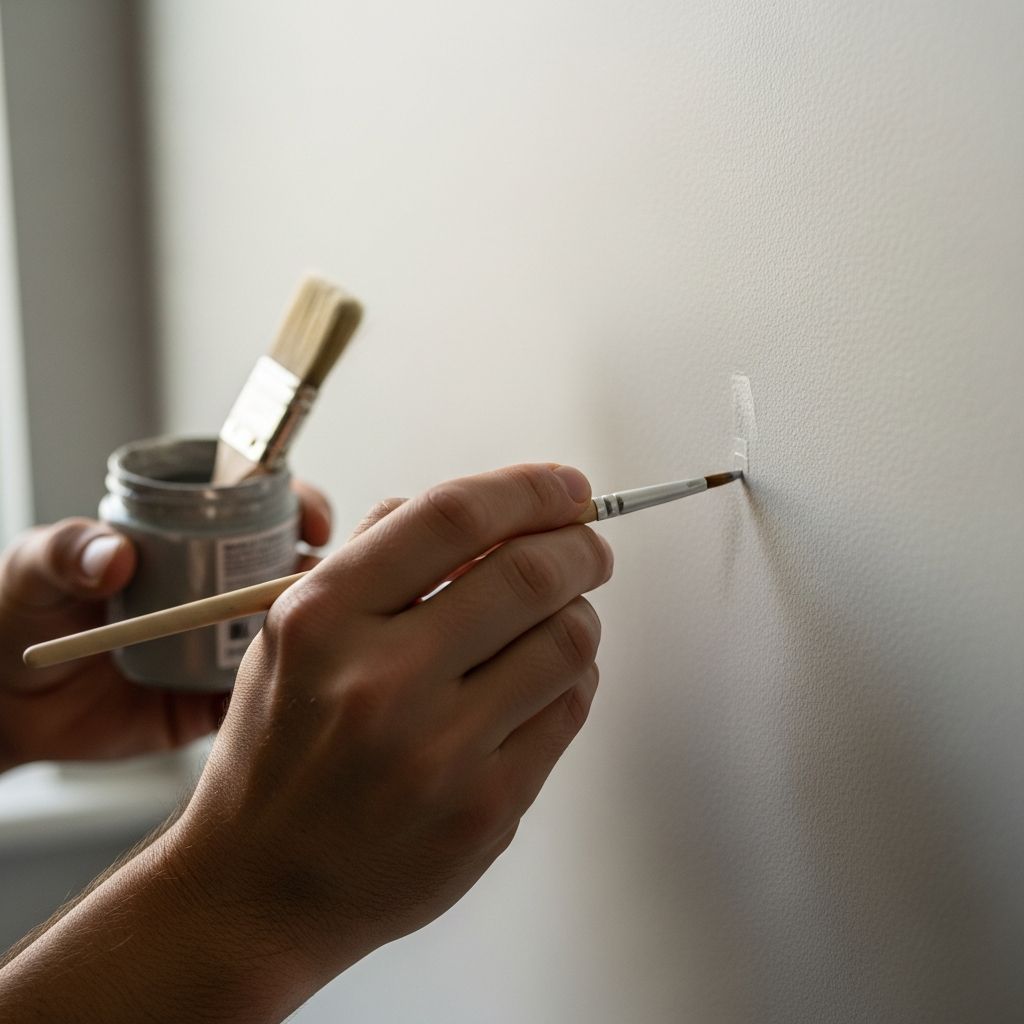
Touch-up paint frequently appears lighter than the surrounding wall surface after drying, creating noticeable patches that disrupt the room’s aesthetic. This common issue arises from environmental differences, aging paint, improper preparation, or mismatched materials, but it can be resolved with careful techniques that mimic the original application conditions.
Understanding Why Touch-Up Paint Dries Lighter
The primary culprit behind lighter touch-up paint is often temperature variations between the original painting and the repair. Cooler conditions during touch-up cause the paint to dry lighter compared to warmer initial applications, as the drying process alters pigment settling and moisture evaporation rates. For instance, a drop of 10 degrees or more can visibly lighten the new coat due to slower wicking, where moisture absorption into the wall changes.
Wall aging plays a significant role too. Over time, exposure to sunlight fades colors, especially in bright rooms, while dirt accumulation and yellowing affect whites and lights. Even indoor paints weather subtly, making fresh paint stand out starkly against dulled areas. Paint quality matters; lower-grade formulas lack color consistency across batches or over storage periods.
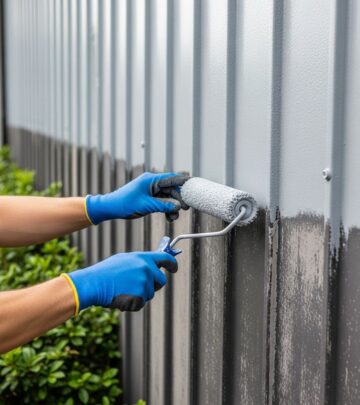
Application differences exacerbate mismatches. Using a different tool—like switching from roller to brush—alters texture and light reflection, while skipping sanding or priming prevents proper adhesion and color uniformity. Sheen variations, such as flat versus satin, further distort appearance by changing how light interacts with the surface.
Essential Preparation Steps for Seamless Repairs
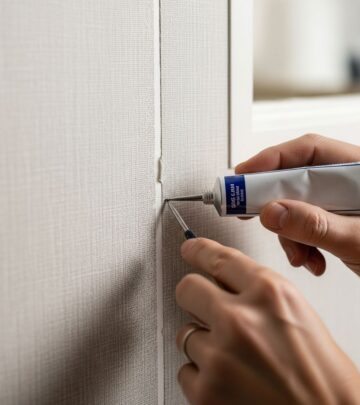
Proper surface prep is non-negotiable for matching touch-up paint. Begin by thoroughly cleaning the area with soapy water using a sponge or cloth, then allow complete drying to remove dirt or oils that could interfere with adhesion. Fill any dents or holes with spackle, sand smooth once dry, and apply a primer coat specifically matched to your wall’s type.
Primer seals the surface, promotes even paint absorption, and helps the color develop true to the original. Without it, especially on bare or repaired spots, the fresh paint will look patchy and lighter due to uneven porosity. Lightly sand the primed area for a uniform texture before painting.
Matching Paint Color, Sheen, and Tools Precisely
Identical materials ensure the best match. Use paint from the original can if available, as even same-named colors from different batches may vary slightly due to manufacturing tolerances. If the can is lost, take a wall chip to a retailer for spectrophotometer matching, specifying the exact formula, sheen, and brand.
Sheen is critical—matte, eggshell, satin, or gloss each reflect light differently, making identical colors appear mismatched. Test matches on a spare board under similar lighting. Replicate the original tool: rollers create even nap texture, brushes leave stipple, affecting final sheen perception. Apply in the same direction as the initial coat for consistent grain.
| Factor | Impact on Color | Solution |
|---|---|---|
| Temperature | Cooler = lighter dry | Match original conditions or adjust thinning |
| Sheen | Mismatch alters reflection | Exact sheen duplicate |
| Tool | Texture changes light catch | Same applicator type |
| Age/Fading | Original dulls over time | Feather into surrounding area |
Advanced Blending Techniques to Hide Patches
Feathering is a pro technique to soften edges. Paint the repair spot first, then use lighter, random strokes outward with progressively less paint, creating a gradient transition zone that blends seamlessly into the wall. This minimizes sharp lines, even if shades differ slightly.
For larger areas or persistent mismatches, repaint entire wall sections from break to break—ceiling-to-trim or corner-to-corner. This contains tone shifts within intentional boundaries, making repairs invisible. Apply multiple thin coats, allowing full drying between each (typically 2-4 hours for latex), to build color gradually without lap marks.
Address drying speed issues by thinning stored paint slightly with water (for latex) to slow evaporation and promote truer color development, mimicking fresh mix behavior. Test on scrap first. In humid conditions, use a fan for controlled drying.
Environmental Controls for Optimal Results
Replicate original conditions meticulously. Note the season of initial painting—summer warmth versus winter chill—and adjust room temperature accordingly. Avoid direct sunlight or drafts during touch-up, as they accelerate uneven drying. Paint in low-humidity environments (40-60%) for consistent results.
Lighting tricks the eye; touch-ups under different bulbs (warm vs. cool LED) appear off. Evaluate repairs under multiple lights and after 24-48 hours curing, when true color emerges.
Common Mistakes to Avoid in Touch-Ups
- Overpainting thick coats: Builds uneven buildup, amplifying lightness.
- Ignoring texture: Fresh paint on worn walls highlights differences.
- New batch assumptions: Batch variations cause surprises.
- Rushing dry times: Recoating too soon traps solvents, lightening hue.
- Forgetting sheen: Gloss on flat looks shiny and pale.
FAQ
Why does my touch-up paint look lighter after drying?
Cooler temperatures, lack of primer, wall fading, or tool/sheen mismatch slow drying or alter absorption, lightening the new paint.
Can I fix it without repainting the whole wall?
Yes, feather edges, prime properly, and use thin coats for blending without full repaints.
How do I match paint if I lost the can?
Bring a chip to a paint store for digital matching, requesting same sheen and brand.
Does paint quality affect touch-ups?
Premium paints offer better consistency across batches and aging.
How long should touch-up dry before judging color?
Wait 48 hours for full cure and true color reveal.
Long-Term Wall Maintenance Tips
Prevent frequent touch-ups by using durable, washable paints like eggshell or satin in high-traffic areas. Apply two topcoats initially for even wear. Clean walls regularly with mild soap to minimize scuffs. For inevitable repairs, store leftovers in sealed cans, labeled with room and date.
Consider professional help for extensive damage; painters use airless sprayers for ultra-fine mists that blend effortlessly. Regular inspections catch issues early.
References
- Why touch-up paint is lighter on walls. Experts explain — Livingetc. 2023-10-15. https://www.livingetc.com/advice/why-your-touch-up-paint-looks-lighter-on-your-walls
- Getting Touch Ups to Match Up and Other Wall Paint Touch-Up Tips — Jerry Eno’s Painting. 2022-05-20. https://jerryenospainting.com/blog/getting-touch-ups-to-match-up-and-other-wall-paint-touch-up-tips/
- How to Deal With Your Old Paint Not Matching New Paint — Triboro Paint. 2024-01-12. https://www.triboropaint.com/blogs/news/how-to-deal-with-your-old-paint-not-matching-new-paint
- How to Touch-Up and Match Paint — Benjamin Moore. 2023-08-05. https://www.benjaminmoore.com/en-us/interior-exterior-paints-stains/how-to-advice/painting-101/touch-up-paint
- Why your paint match is terrible — YouTube (Paint Professional). 2021-11-10. https://www.youtube.com/watch?v=S_oTTi4SNIU
Similar Articles



Read full bio of medha deb