Fixing Loose Vinyl Floor Tiles: Proven Methods
Discover effective strategies to reattach and secure peeling vinyl floor tiles for lasting durability and a flawless finish.
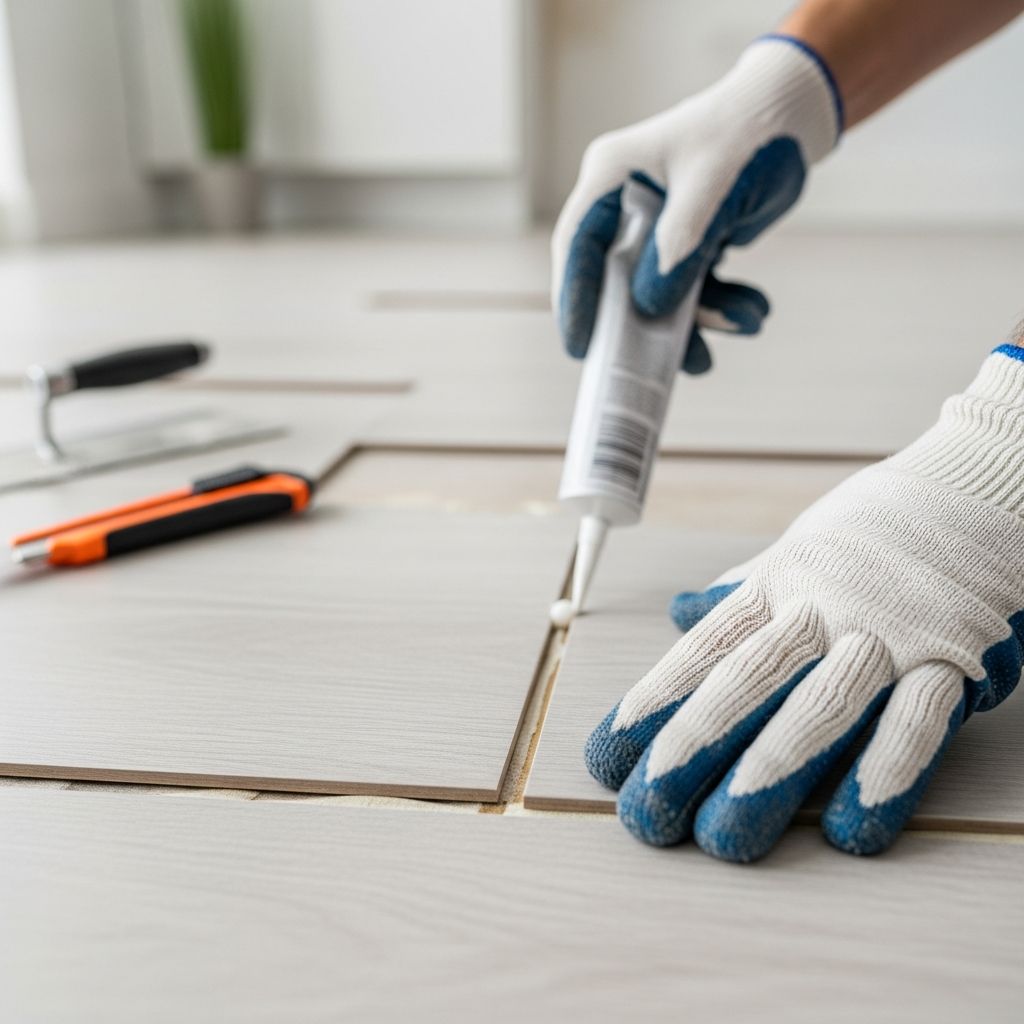
Vinyl floor tiles offer affordability and style for kitchens, bathrooms, and beyond, but when they fail to stick, frustration sets in. This comprehensive guide explores why tiles loosen and delivers actionable solutions, from basic cleaning to advanced adhesive applications, empowering homeowners to restore seamless flooring without professional help.
Understanding Why Vinyl Tiles Lose Adhesion
Vinyl tiles, especially self-adhesive varieties, rely on a pressure-sensitive glue that bonds to the subfloor. Over time, factors like moisture, dirt buildup, temperature fluctuations, or improper initial installation cause edges to lift or entire tiles to detach. High-traffic areas exacerbate this, as footfall and furniture weight stress the bond. Subfloor irregularities, such as uneven concrete or warped wood, prevent full contact, leading to air pockets and peeling.
Identifying the root cause is crucial. Inspect for grease residues from cooking spills in kitchens or humidity in bathrooms, which degrade adhesive performance. Old adhesives from prior flooring can interfere, creating a slippery barrier. By addressing these, repairs become more effective and long-lasting.
Essential Tools and Materials for Repairs
Gathering the right supplies streamlines the process. Key items include:
- Utility knife: For precise trimming of loose edges and old adhesive removal.
- Putty knife or floor scraper: To lift tiles gently without damaging surrounding areas.
- Cleaning solutions: TSP (trisodium phosphate) or vinegar-based cleaners for grease and residue.
- Adhesives: Double-sided carpet tape, construction adhesive like Loctite, or vinyl-specific mastics.
- Roller or heavy roller: Ensures firm bonding post-application.
- Sanding tools: Sandpaper or orbital sander for smoothing subfloors.
- Leveling compound: For filling dips in concrete subfloors.
These tools are available at major retailers, with vinyl adhesives rated for moisture resistance ideal for wet areas.
Step-by-Step Surface Preparation Techniques
Success hinges on a pristine subfloor. Start by sweeping away debris, then mop with a degreaser. For stubborn spots, apply TSP diluted in water, scrub vigorously, and rinse thoroughly. Allow 24 hours for complete drying, using fans or dehumidifiers if needed.
Next, address imperfections. Sand high spots on wood subfloors and fill cracks or low areas with self-leveling underlayment on concrete. This creates a flat canvas for optimal adhesion. Test dryness by taping a plastic sheet overnight; condensation indicates more drying time required.
For partially lifted tiles, carefully pry up edges with a putty knife. Avoid full removal if possible to reuse the tile. Scrape residual adhesive from both tile back and floor, then feather edges for seamless reinstallation.
Choosing the Right Adhesive for Your Project
Not all glues work equally for vinyl. Self-adhesive tiles demand compatible products to avoid chemical reactions that cause bubbling.
| Adhesive Type | Best For | Pros | Cons |
|---|---|---|---|
| Double-Sided Tape | Quick fixes, low-traffic areas | Easy application, removable | May shift over time |
| Construction Adhesive (e.g., Loctite) | High-traffic zones | Strong bond, flexible | Messier, longer cure time |
| Vinyl Mastic | Moist areas like bathrooms | Water-resistant, professional grade | Requires trowel application |
| Acrylic Emulsions | Industrial or heavy-duty | Superior shear strength | Specialty product |
Select based on location: mastic for damp rooms, tape for temporary holds. Always check compatibility with your tile type.
Detailed Repair Process for Individual Tiles
Lift the loose tile completely if edges won’t flatten. Clean both surfaces meticulously. For reuse, wipe the tile back with alcohol to remove oils. Apply adhesive per product instructions—thin beads for tape, even coats for mastic. Reposition precisely, aligning with adjacent tiles.
Press firmly with a roller, starting from center outward to expel air. For stubborn spots, weigh down with books or bricks for 24 hours. Edge lifting? Slip tape under the corner and roll repeatedly.
In patterns or medallions, dry-lay tiles first to plan cuts. Use a straightedge and utility knife for straight edges, or a tile cutter for curves around fixtures.
Addressing Large Areas or Full Reinstallations
For widespread failure, remove all tiles systematically. Number them for reassembly if undamaged. Scrape subfloor clean, sand smooth, and apply primer if recommended by adhesive manufacturer.
Reinstall from room center: snap chalk lines diagonally to find midpoint. Lay full tiles first, cutting border pieces to at least half-tile width for stability. Roll entire floor with a 100-lb roller rented from hardware stores. This compresses adhesive evenly, preventing future lifts.
Over concrete? Ensure it’s cured (28 days minimum) and use a moisture barrier primer. Wood subfloors benefit from 1/8-inch underlayment to bridge minor gaps.
Preventive Strategies for Long-Lasting Vinyl Floors
Proactive steps extend tile life. Acclimate tiles indoors 48 hours pre-installation to match room humidity. Maintain 60-80°F temperatures during and post-installation. Use area rugs in high-traffic spots and felt pads under furniture.
Regular cleaning with pH-neutral soaps avoids adhesive breakdown. For moisture-prone areas, seal grout lines if present, though seamless vinyl rarely needs it. Annual inspections catch early lifts for quick fixes.
Innovative additives like acrylic polymers enhance adhesive flexibility, resisting cracks from subfloor movement. Opt for quality tiles with robust backings.
Common Mistakes to Avoid During Repairs
- Rushing drying time, leading to trapped moisture and bubbles.
- Over-applying adhesive, causing overflow and slippage.
- Ignoring subfloor flatness, resulting in recurrent peeling.
- Using incompatible cleaners like ammonia, which etches vinyl.
- Skipping rolling, allowing air gaps to form.
Avoid these for repairs that endure years of use.
Frequently Asked Questions (FAQs)
Can I install vinyl tiles over existing flooring?
Yes, over flat, undamaged vinyl or tile, but clean thoroughly and fill gaps. Avoid over carpet or heavily textured surfaces.
How long do repairs take to cure?
Tape bonds instantly but full strength in 24 hours; mastic may need 48-72 hours before heavy use.
Is professional help necessary for large areas?
DIY is feasible with patience, but pros ensure precision for intricate layouts or uneven subfloors.
What if tiles keep lifting after repair?
Check for moisture issues; install a vapor barrier or consult for subfloor replacement.
Are there eco-friendly adhesive options?
Yes, low-VOC acrylic emulsions and water-based mastics minimize emissions.
Advanced Tips for Professional-Grade Results
For flawless finishes, use laser levels for straight lines. Heat guns soften stubborn adhesives for clean removal. In humid climates, incorporate dehumidifiers during prep. Test adhesives on scrap tiles first.
Post-repair, avoid water for a week. Monitor for cupping, a sign of moisture imbalance. With these methods, vinyl floors regain durability, mimicking new installations at a fraction of replacement cost.
(Word count: 1678)
References
- Applying Self-Adhesive Vinyl Tile — Giant Floor & Carpeting. Accessed 2026. https://giantfloor.com/flooring-tip-tricks-and-news/applying-self-adhesive-vinyl-tile/
- When Peel and Stick Floor Tile Doesn’t Stick — Mazer Wholesale (YouTube). 2017-05-08. https://www.youtube.com/watch?v=Dbfm3rf5H4A
- Vinyl Flooring Materials and Adhesives — Dow Inc. Accessed 2026. https://www.dow.com/en-us/market/mkt-building-construction/sub-build-building-materials/app-build-bldgmat-vinyl-flooring.html
- Vinyl Tile and Plank Flooring Adhesives — Lowe’s Companies, Inc. Accessed 2026. https://www.lowes.com/pl/flooring-tools-supplies/flooring-adhesives/vinyl-tile-and-plank/4294417386-238078799
- Vinyl Adhesives — The Home Depot. Accessed 2026. https://www.homedepot.com/b/Flooring-Flooring-Supplies-Flooring-Adhesives-Vinyl-Adhesives/N-5yc1vZcdu2
Similar Articles


Read full bio of medha deb