Fixing Rattling Noises in Generators
Discover effective strategies to diagnose and eliminate rattling sounds from your generator for reliable power backup.
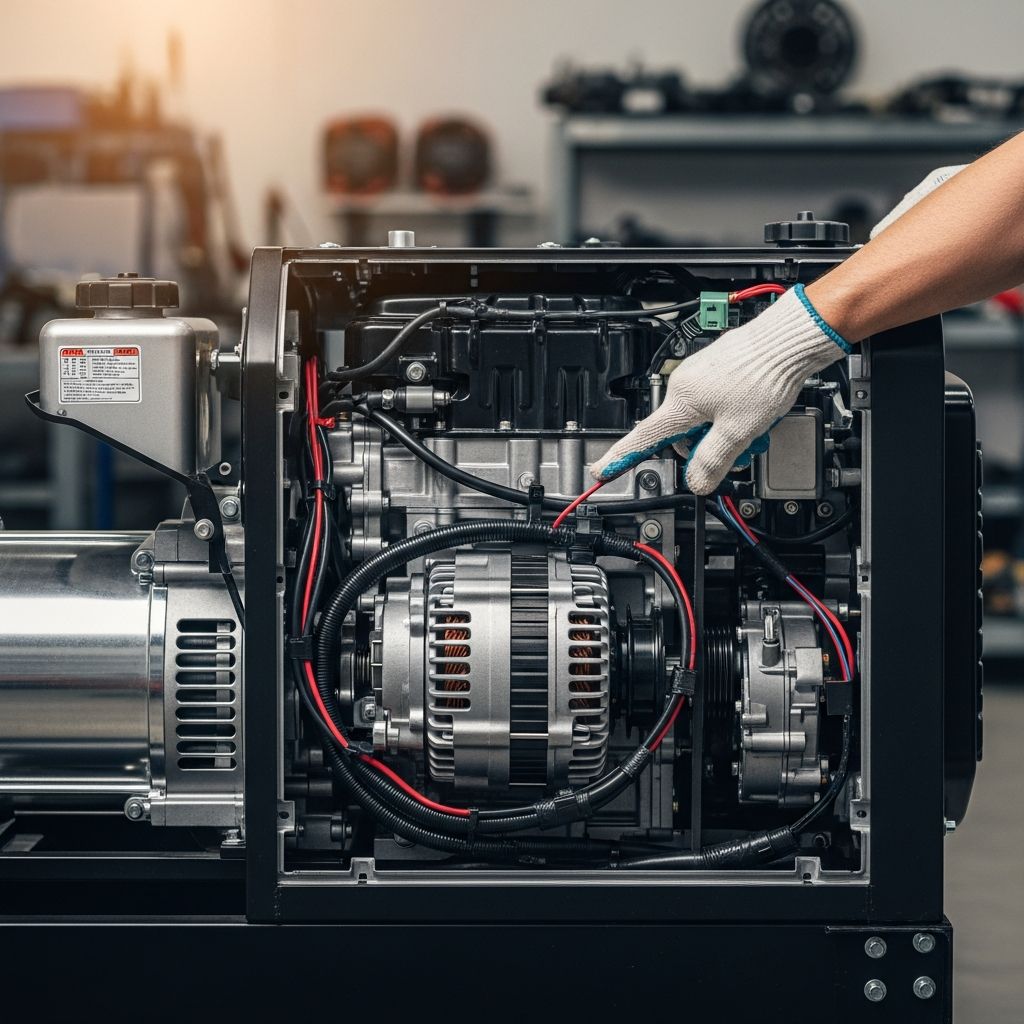
Generators provide essential backup power, but rattling noises signal potential problems that demand immediate attention. These sounds often stem from mechanical wear, improper maintenance, or operational imbalances, and addressing them promptly prevents costly breakdowns and ensures safety during outages.
Understanding Rattling Sounds in Your Generator
Rattling typically manifests as clanking, banging, or vibrating noises during operation. Such sounds differ from normal humming and indicate components shifting or colliding unnaturally. Early detection through routine checks allows for simple fixes before issues escalate to engine damage or failure.
Common scenarios include startup phases, under load, or idle running. Factors like age, usage frequency, and environmental exposure accelerate wear, making regular inspections crucial for standby or portable units.
Primary Causes of Rattling Noises
Several factors contribute to rattling. Identifying the source requires systematic evaluation, focusing on high-vibration areas like the engine block, mounts, and accessories.
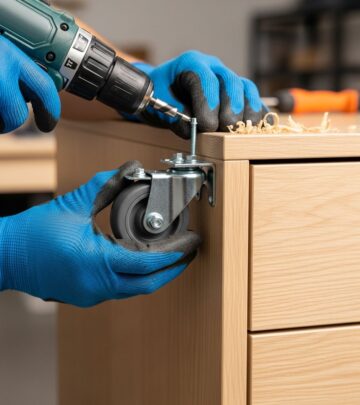
- Loose Bolts, Panels, and Mounts: Constant vibrations loosen fasteners over time, causing panels or brackets to rattle against the frame. This is prevalent in older models or after rough transport.
- Worn or Damaged Bearings: Bearings support rotating shafts; when lubricated poorly or worn, they produce grinding alongside rattles. Misalignment exacerbates this.
- Exhaust System Faults: Loose mufflers, cracked pipes, or clogs lead to booming rattles mistaken for internal issues. Carbon buildup muffles sound poorly, amplifying vibrations.
- Engine-Related Knocking: Poor fuel quality, ignition timing errors, or valve problems create internal knocks that resonate as rattles. This often accompanies sputtering.
- Load Imbalances: Uneven electrical loads strain the alternator, inducing vibrations and rattling. Overloading beyond rated capacity worsens this.
Diagnostic Techniques for Pinpointing the Issue
Effective diagnosis starts with safety: shut off the generator, disconnect fuel, and let it cool. Use these methods:
- Visual Scan: Inspect for loose covers, bolts, or debris around the exterior and interior. Check mounts for cracks.
- Listening Test: Run the unit briefly in a safe area, using a stethoscope or long screwdriver to isolate noise origins.
- Vibration Check: Feel for unusual shakes on the frame; tools like analyzers confirm imbalances.
- Thermal Scan: Hotspots via infrared indicate friction from failing parts.
| Noise Type | Possible Cause | Diagnostic Clue |
|---|---|---|
| Rattling/Clanking | Loose components | Noise changes with tapping panels |
| Grinding with rattle | Worn bearings | Localized to shaft areas |
| Booming rattle | Exhaust issues | Noise from rear/outlet |
| Knocking rattle | Engine knock | Under load, with power dips |
Step-by-Step Repair Instructions
Addressing Loose or Worn Components
Tighten all accessible bolts using a torque wrench to manufacturer specs. Replace corroded fasteners. For panels, secure with lock washers. Test run after adjustments; recheck after 30 minutes.
Repairing Bearings and Lubrication
Drain old oil, inspect for metal shavings indicating bearing wear. Refill with recommended viscosity. Disassemble if needed for bearing replacement—consult service manual. Lubricate accessible points.
Fixing Exhaust System Problems
Examine muffler for dents or soot; clean or replace. Secure pipes with clamps. Clear blockages like nests from outlets. Verify no leaks with soapy water test on joints.
Correcting Engine Knock
Use fresh, stabilized fuel. Clean or replace spark plugs. Adjust carburetor for proper mixture. For persistent knocks, professional valve inspection may be required.
Balancing Loads and Cooling Checks
Distribute loads evenly across outlets. Verify fan blades intact; top up coolant. Clean radiators of debris.
Preventive Maintenance Strategies
Proactive care minimizes rattles:
- Schedule oil changes every 50-100 hours.
- Inspect filters (air, fuel, oil) monthly.
- Run monthly no-load tests for 30 minutes.
- Store in dry, stable locations.
- Balance loads during use.
Annual professional servicing catches subtle wear.
When to Call a Professional
DIY suits minor issues, but seek experts for internal engine work, electrical faults, or persistent noises post-fixes. Signs include worsening sounds, power loss, or smoke. Certified technicians ensure warranty compliance.
Frequently Asked Questions (FAQs)
Is a little rattling normal in generators?
No, any unusual rattle warrants investigation to avoid escalation.
Can I ignore rattling if the generator runs?
Absolutely not— it risks total failure during critical use.
How often should I check for loose parts?
Before each use and after transport.
What oil is best for reducing noise?
Use manufacturer-specified synthetic for better lubrication.
Does generator age affect rattling?
Yes, older units wear faster; replace beyond service life.
Advanced Troubleshooting Table
| Symptom | Quick Fix | Tools Needed | Pro Help If… |
|---|---|---|---|
| External rattle | Tighten panels | Wrench, screwdriver | Persists after |
| Internal clank | Oil check/replace | Oil gauge, funnel | Metal in oil |
| Vibration under load | Load balance | Multimeter | Overheating |
References
- Understanding and Fixing Abnormal Noise in Generator Sets: Causes and Solutions — Hosempower. 2023. https://www.hosempower.com/blog/understanding-and-fixing-abnormal-noise-in-generator-sets-causes-and-solutions_b61
- Why Is My Generator Making Noises? 8 Causes — Trust Campbell. 2024. https://trustcampbell.com/blog/why-is-my-generator-making-noises-8-causes-from-your-yakima-hvac-pros/
- Why Is My Generator Making Strange Noises? — Raynor Services. 2023. https://raynorservices.com/blog/why-is-my-generator-making-strange-noise/
- Fix Generator that Make Noise — YouTube (Jil World Mechanics). 2022-10-15. https://www.youtube.com/watch?v=vdbS_6Wttrs
Similar Articles




Read full bio of Sneha Tete