Fixing Resin Table Tops: Complete Guide
Master the art of restoring damaged resin table tops with proven techniques for scratches, cracks, and more to extend their lifespan.
Resin table tops, often made with epoxy over wood or other materials, combine beauty and durability but can suffer from wear like scratches, chips, cracks, or soft spots over time. Restoring them yourself saves money and revives their stunning appearance. This guide provides detailed, original methods drawn from practical techniques to handle various damage types effectively.
Understanding Common Damage on Resin Surfaces
Resin tables face daily abuse from utensils, hot items, or impacts, leading to visible flaws. Superficial scratches mar the glossy finish without depth, while deeper gouges penetrate the surface. Chips occur from heavy drops, and cracks might stem from temperature shifts or structural stress. Soft or rotted wood beneath the resin, especially in live-edge designs, creates voids needing reinforcement. Identifying the damage type dictates the repair approach, ensuring long-term stability.
- Scratches: Light surface marks from dragging objects.
- Chips and Cracks: Missing material or fissures from impacts.
- Voids in Wood: Spongy areas under resin from decay.
- Dull Finish: Loss of shine from cleaning agents or UV exposure.
Gathering Essential Tools and Materials
Before starting, assemble quality supplies for precise work. Opt for slow-cure epoxy resins with low heat buildup for better control. Sandpaper progresses from coarse (80-180 grit) to fine (up to 2000 grit). A random orbital sander speeds up leveling, paired with tack cloths for dust-free surfaces.
| Category | Items | Purpose |
|---|---|---|
| Sanding | 80, 180, 320, 1500 grit paper; Orbital sander | Level repairs and smooth finish |
| Epoxy | 3:1 resin/hardener mix; Mixing cups, sticks | Fill voids and cracks |
| Polishing | Pro-speed compound; Buffer/polisher; Microfiber cloths | Restore gloss |
| Prep | Tyvek tape, chisel, heat gun, isopropyl alcohol | Seal, clean, remove bubbles |
Work in a dust-free, well-ventilated space at 70-80°F for optimal curing. Wear gloves and a respirator for safety.
Step-by-Step Repair for Superficial Scratches
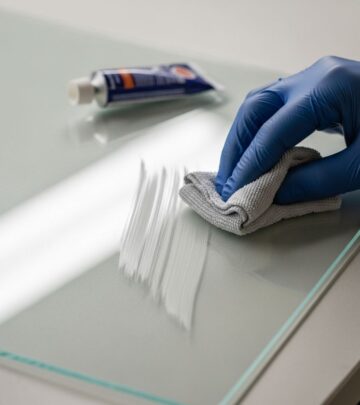
Light scratches respond well to polishing without epoxy. Begin by cleaning the entire surface with isopropyl alcohol and a lint-free cloth to remove oils and debris. Attach a polishing pad to a variable-speed buffer set to low RPM (around 1200). Apply a liberal amount of pro-speed compound like Meguiar’s Mirror Glaze.
- Buff the scratched area first with overlapping circular motions for 2-3 minutes.
- Expand to the full tabletop, maintaining even pressure.
- Wipe clean with glass cleaner, then inspect under bright light.
- Repeat 1-2 times for deeper marks; most vanish after one pass.
This method revives shine without material removal, ideal for maintenance.
Addressing Chips and Small Cracks
For chips or shallow cracks felt by fingernail, a targeted epoxy fill works best. Clean thoroughly with mild soap or alcohol, drying completely to avoid trapped moisture. Mix a small batch of two-part epoxy per instructions—typically 3:1 resin to hardener for casting voids.
Apply using a toothpick or craft stick, overfilling slightly to account for shrinkage. Let cure 12-24 hours. Scrape excess with a dull razor blade at a shallow angle, then sand progressively: 180 grit to level, 320 for smoothness, up to 1500 grit wet-sanding for polish.
Finish with compound buffing. This blends seamlessly, restoring integrity.
Repairing Deep Voids and Rotted Wood
Deeper issues, like spongy wood under resin, require excavation first. Use a chisel to remove all soft, rotted material until reaching firm wood. Clean debris with compressed air or a vacuum. Seal edges with Tyvek tape or painter’s tape for containment—the adhesive holds against epoxy flow.
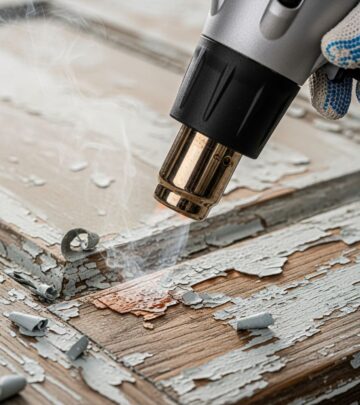
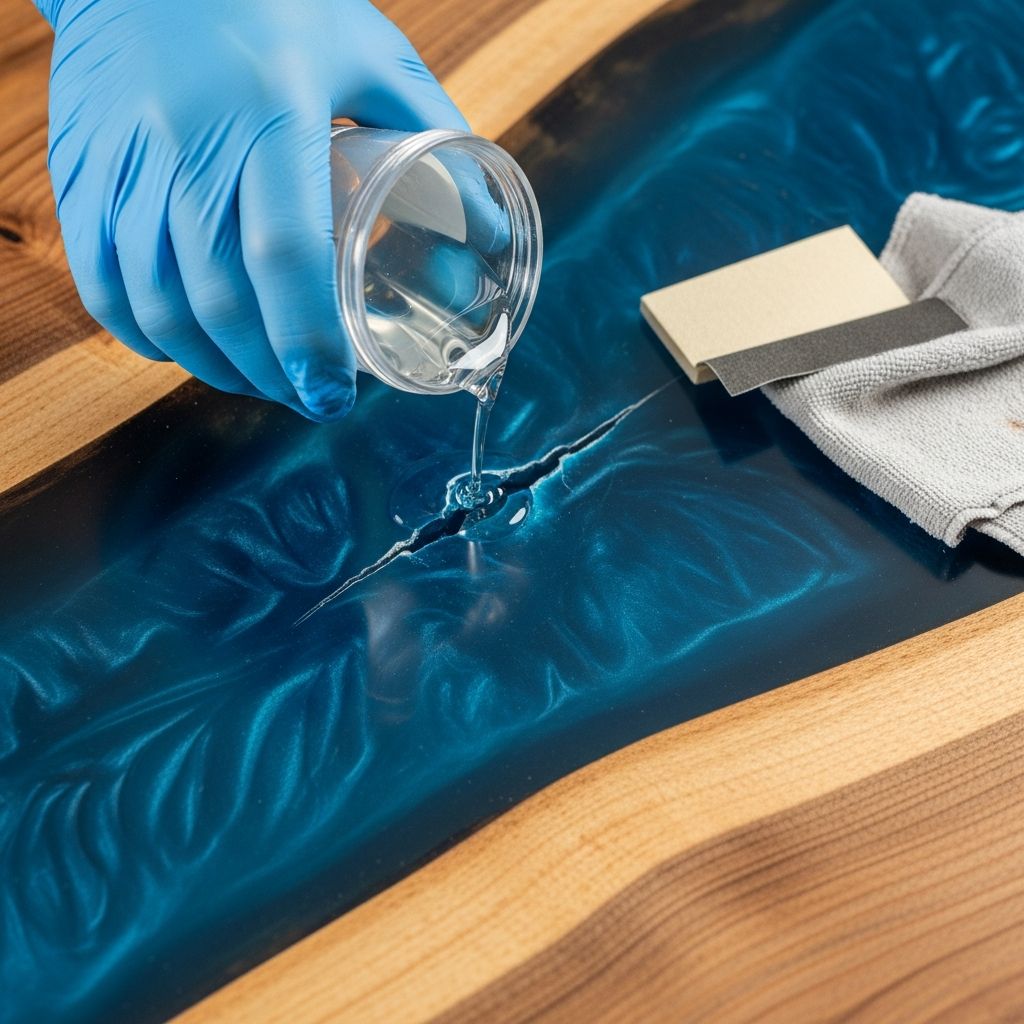
Mix slow-cure epoxy thoroughly for 2 minutes to minimize bubbles. Pour into the void, using a heat gun on low to pop air pockets. Torch sparingly to avoid scorching. Cure 24 hours, then sand flush starting at 180 grit, progressing to 320. Repeat for multiple voids.
This strengthens the structure, preventing future decay.
Full Surface Restoration Techniques
When damage is widespread, a flood coat rejuvenates everything. Sand the entire top lightly with 120-180 grit to scuff for adhesion, rounding edges on gouges. Wipe with tack cloth and alcohol. Mix and pour a thin epoxy layer (1/8 inch), spreading with a brush to catch drips.
Torch bubbles, cure fully, then sand from 180 to 1500 grit. Apply spray seal coats between grits if needed, buffing final polish. This method fixes multiple flaws at once.
Prevention Strategies for Longevity
Proactive care extends resin table life. Use coasters and trivets for hot items; avoid direct knife use. Clean with soft sponges and mild soap—never abrasives. Check quarterly for chips, addressing promptly to prevent water ingress. Store indoors, away from direct sun to combat UV yellowing.
- Wipe spills immediately.
- Use cutting boards.
- Polish annually for protection.
Safety Precautions During Repairs
Epoxy releases fumes; ventilate and use respirators. Sanding dust is fine—wear masks and eye protection. Heat guns risk burns or fires—keep away from flammables. Dispose of mixed epoxy waste per local hazardous guidelines.
Frequently Asked Questions (FAQs)
Can I repair a resin table with yellowing?
Yes, sand lightly and apply UV-resistant epoxy topcoat. Buff for clarity.
How long does epoxy take to cure fully?
12-24 hours tack-free, 72 hours for full hardness. Test hardness before sanding.
What if polishing doesn’t remove scratches?
They may be gouges—sand and recoat with epoxy.
Is it safe for food contact after repair?
Use FDA-approved epoxy and polish thoroughly; confirm with manufacturer.
Can I DIY a large table repair?
Yes, but practice on scraps first for mixing and pouring confidence.
References
- How to Repair a Table Top Using Epoxy Resin — MirkaUSA (YouTube). 2023. https://www.youtube.com/watch?v=DLn2a39HH7A
- Care Instructions for Your Epoxy Resin Table — Brick Mill Furniture. 2023. https://brickmillfurniture.com/blogs/news/care-instructions-for-your-epoxy-resin-table
- How to Get Rid of Scratches on an Epoxy Resin Table — The Epoxy Resin Store. 2023. https://www.theepoxyresinstore.com/blogs/news/how-to-get-rid-of-scratches-on-an-epoxy-resin-table-or-bartop
- How To Repair An Epoxy Resin Project — Alumilite (YouTube). 2023. https://www.youtube.com/watch?v=0CzrsfDfy8M
- How to Repair Damaged Epoxy — Best Bar Top Epoxy. 2023. https://www.bestbartopepoxy.com/blogs/ultraclear/how-to-repair-damaged-epoxy
Similar Articles



Read full bio of Sneha Tete