Mastering Spray Paint Fixes: Correct Common Errors
Overcome spray painting pitfalls with proven techniques to achieve a flawless professional finish on any project.
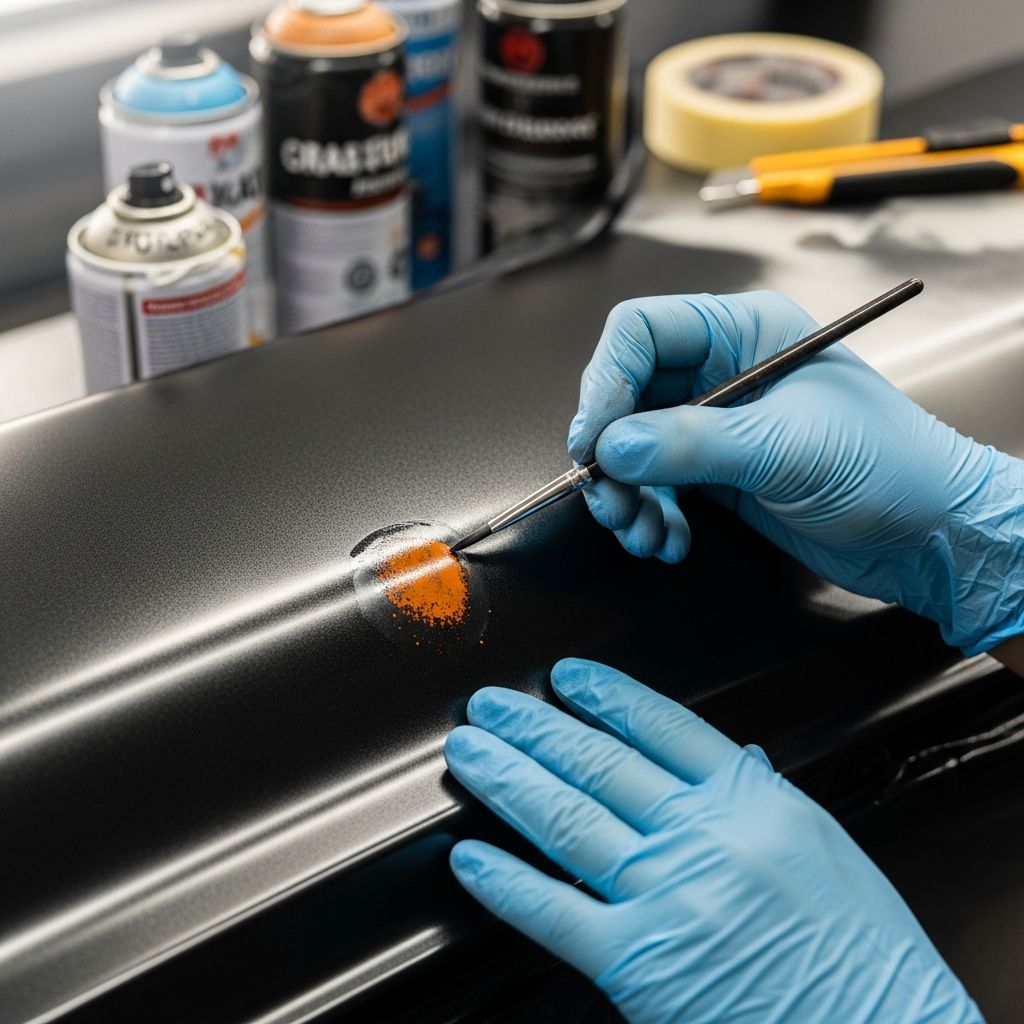
Spray painting delivers a smooth, even coat ideal for DIY projects, automotive parts, and furniture restoration. However, beginners often encounter issues like drips, uneven textures, and peeling that compromise the finish. This guide explores frequent problems, their causes rooted in technique or preparation, and step-by-step remedies to salvage and perfect your work. By understanding these errors, you can transform subpar results into professional-grade outcomes.
Essential Preparation: The Foundation of Success
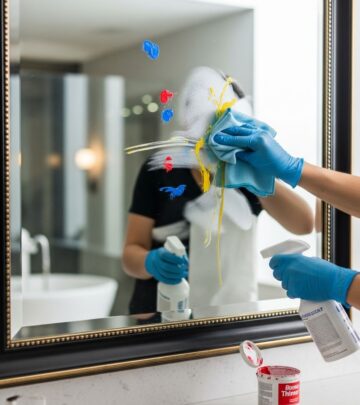
Before any spray application, thorough surface prep prevents most defects. Skipping this step leads to adhesion failures where paint lifts or bubbles. Start by cleaning the surface with a degreaser like trisodium phosphate (TSP) to remove oils, dirt, and residues. Rinse thoroughly and allow complete drying.
Sanding is crucial: use 220-grit sandpaper for smooth surfaces or 120-grit for rough ones to create a mechanical bond. Wipe away dust with a tack cloth or lint-free rag dampened with mineral spirits. Apply a primer suited to your substrate—rust-inhibiting for metal, wood-specific for lumber—to enhance adhesion and fill minor imperfections.
- Clean with degreaser and rinse.
- Sand to scuff the surface.
- Prime after dust removal.
Ideal conditions include temperatures between 50-90°F and humidity under 85%, as extremes cause bubbling or slow curing.
Recognizing and Repairing Drips and Runs
Drips occur when paint accumulates and flows downward, often from holding the can too close (under 8 inches) or applying heavy coats. Small runs resemble teardrops; larger ones sag extensively.
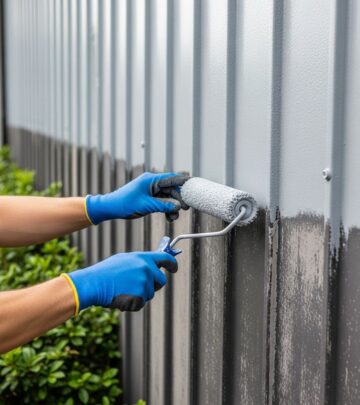
To fix: Allow the paint to fully cure (24-48 hours). Sand the drip smooth starting with 400-grit, progressing to 800-grit for a flat surface. Clean residue, then re-prime if needed. Apply thin topcoats, maintaining 8-12 inches distance and overlapping passes by 50%.
| Issue | Cause | Fix Steps |
|---|---|---|
| Drips/Runs | Too close/heavy application | Cure, sand (400-800 grit), clean, repaint thin coats |
| Orange Peel | Droplets dry mid-air | Wet sand (1000 grit), buff, recoat |
| Misting | Cold paint/environment | Sand, warm materials, repaint |
Avoid wiping wet runs, as this smears and worsens the defect.
Smoothing Out Orange Peel Texture
Orange peel gives a bumpy, citrus-skin appearance from paint droplets drying before hitting the surface. Causes include outdated cans, clogged nozzles, cold temperatures, or excessive distance (over 12 inches).
Repair involves leveling: after curing, wet sand with 1000-1500 grit paper using soapy water to avoid scratches. Buff with a compound and polishing pad on a dual-action polisher at 1500-2000 RPM. Clean, then apply a fresh coat with well-shaken, room-temperature paint.
Prevention: Shake cans vigorously for 2 minutes, test on scrap, and spray in 70°F conditions.
Addressing Poor Adhesion and Peeling
Paint that flakes or peels signals inadequate bonding, often from unclean surfaces, incompatible primers, or rushed curing. Solvents in topcoats can attack uncured underlayers, causing lifting or wrinkling.
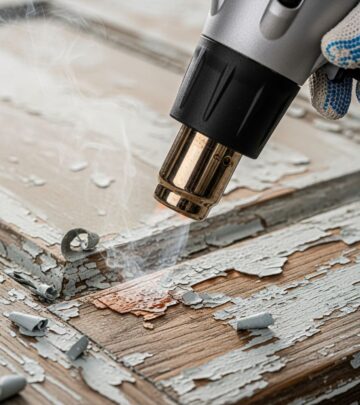
Solution: Strip loose paint with a scraper and sand to bare substrate. Re-prep as in preparation section, using a barrier primer for multi-layer systems. Allow full dry times per technical data sheets (TDS)—often 24 hours between coats.
For wrinkled finishes, sand flat and check for solvent reactions; switch to compatible products if needed.
Eliminating Misting and Foggy Finishes
Misting appears as hazy overspray patches from cold paint or air, leading to dry, rough textures. Fogging results from similar environmental mismatches.
Fix by sanding the area lightly (600-grit), cleaning, and ensuring materials acclimate to room temperature (68-77°F). Repaint in controlled conditions, using proper air pressure for HVLP guns (start low, around 20 PSI).
Handling Cracking, Bubbling, and Pinholing
Cracks form from thick undercoats trapping solvents or incompatible layers shrinking unevenly. Bubbles (blisters) arise from moisture trapped under paint or rapid drying in heat.
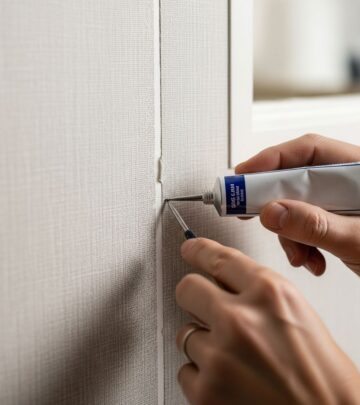
To correct: Sand through affected layers to solid paint or substrate. Fill pinholes with glaze putty, sand smooth (800-grit), and recoat with thinned paint in light passes, allowing 15-30 minutes between coats (longer if cool).
YouTube experts emphasize building layers slowly: medium primer coats, dry 15+ minutes, avoiding heat on thick applications to prevent solvent entrapment.
Optimizing Technique for Flawless Results
Consistent motion prevents most issues: hold at 10 inches, sweep 2-3 feet per second, overlapping 50-75%. For clear coats, apply wetter and closer for flow-out.
Air pressure balance is key for spray guns—low pressure reduces overspray, high causes bounce-back. Read TDS for thinners, hardeners, and gun settings.
- Maintain 8-12 inch distance.
- Overlap strokes evenly.
- Apply 2-3 thin coats.
- Follow TDS drying times.
Equipment Choices and Maintenance
Quality tools matter: cheap cans clog easily; invest in name-brand aerosols or calibrated HVLP systems. Clean nozzles immediately post-use with appropriate solvents.
For pros, match accessories: proper hoses prevent pressure drops. Regular calibration avoids texture defects like pimples or fizz holes.
Environmental Controls and Safety
Work in well-ventilated spaces with respirators, as overspray carries health risks. Use drop cloths to contain mist. Monitor humidity with a hygrometer—above 85% promotes blushing (milky haze).
Frequently Asked Questions (FAQs)
What causes orange peel in spray paint?
Orange peel happens when paint dries too quickly in air, from cold temps, old cans, or wrong distance. Fix by wet sanding, buffing, and recoating properly.
How long to wait between spray paint coats?
Wait 10-15 minutes for aerosols in ideal conditions, longer (30+ mins) if cool or humid. Always check product TDS for accurate times.
Can I fix drips on fresh spray paint?
No—let it cure fully (24 hours), then sand smooth. Wiping wet paint ruins the finish.
Why does my spray paint bubble?
Bubbling stems from moisture, thick coats, or heat speeding surface dry while solvents remain trapped. Sand out and reapply thinly.
Is primer always necessary for spray painting?
Yes, for best adhesion, especially on bare metal or glossy surfaces. It prevents peeling and ensures even color.
Advanced Tips for Professional Finishes
For automotive work, use 2K primers with hardeners for durability. Post-paint, apply UV-protective clear coats generously to combat fading. Test combinations on scrap. Buff final coats with microfiber for gloss.
Common pitfalls like ignoring TDS lead to discoloration or bleeding—always mix thoroughly and prime fully cured fillers.
With practice, these fixes turn errors into learning opportunities, yielding durable, attractive results.
References
- Top 5 Common Mistakes in Spray Painting (And How to Avoid Them) — Samurai 2K Paint. 2023. https://samurai2kpaint.com/blogs/news/sdasdada
- Spray Painting Common Faults and Misconceptions — DC Paint Solutions. 2023. https://www.dcpaintsolutions.com/news/spray-painting-common-faults-and-misconceptions
- Common Problems and Mistakes When Spraying Paint — Elevated Industrial Coatings. 2023. https://elevatedindustrial.com/problems-mistakes-spraying-paint/
- Why Your Spray Paint Job Sucks (and how to fix it) — YouTube (Video Transcript). 2023. https://www.youtube.com/watch?v=WEyMRurniR8
- 5 Common Spray Painting Mistakes And How To Correct Them — Complete Spraying Solutions. 2023. https://completesprayingsolutions.co.uk/latest-news/common-spray-painting-mistakes/
Similar Articles



Read full bio of medha deb