Fixing Stuck Bathtub Diverter Valves: 4 Easy DIY Fixes
Master the art of repairing jammed bathtub diverters to restore smooth water flow between tub and shower effortlessly.
Fixing Stuck Bathtub Diverter Valves
Stuck bathtub diverter valves disrupt daily routines by preventing water from properly switching between the tub spout and showerhead. These mechanisms, essential for versatile bathing setups, often fail due to mineral deposits, wear, or debris accumulation over time. Homeowners can resolve most issues with basic tools and methodical troubleshooting, avoiding costly plumber visits.
Understanding Bathtub Diverter Mechanics
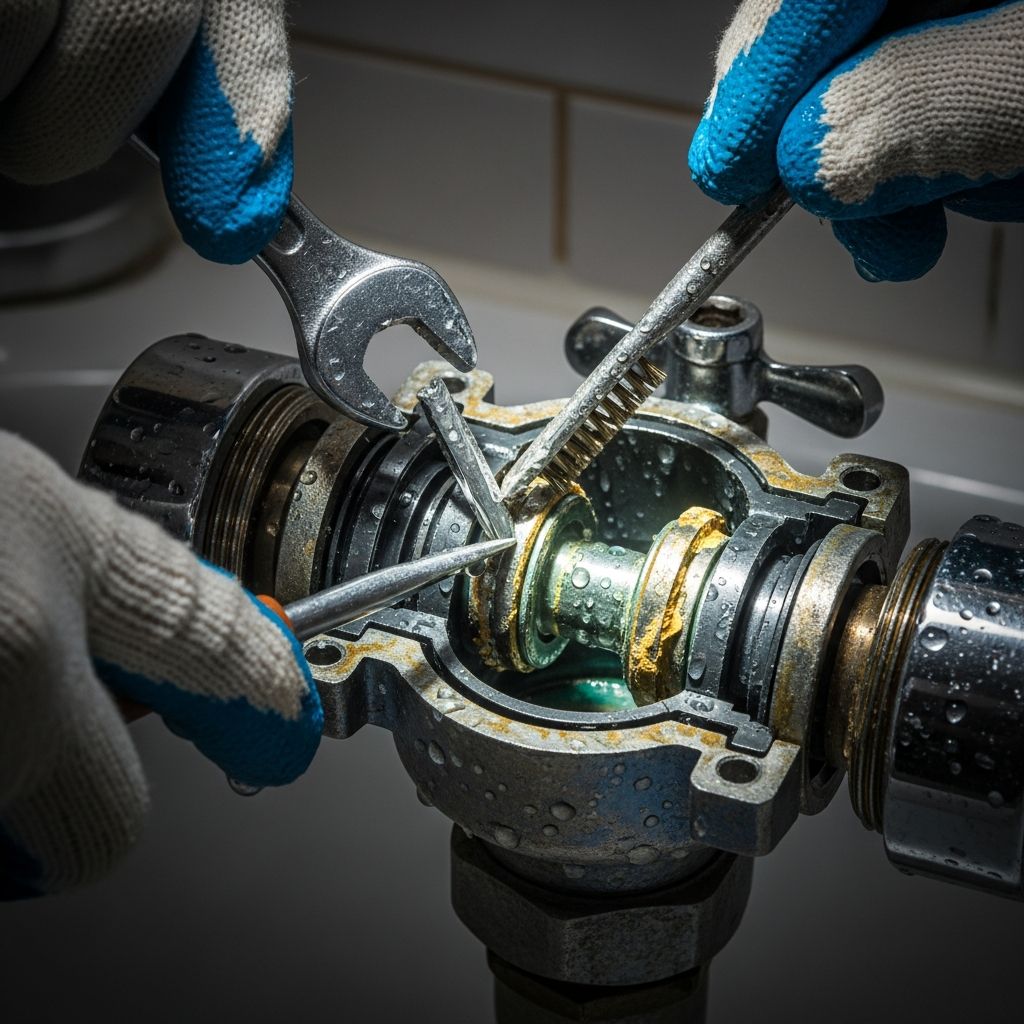
Bathtub diverters control water direction in combined tub-shower systems. Typically located within the tub spout or behind a faucet handle, they feature a gate, stem, or rotary valve that redirects flow. Gate-style diverters use a sliding plate to block tub outflow, while three-valve or rotary types integrate into the faucet assembly for more complex control.
Common designs include:
- Spout-mounted diverters: Pull-up or push-button levers on the tub spout itself, prone to spout removal for access.
- Faucet-handle diverters: Integrated into wall-mounted faucets, requiring handle disassembly.
- Gate valves: Internal sliding components that wear from constant use and hard water exposure.
Recognizing your system’s type is crucial before repairs begin, as methods vary by configuration.
Common Causes of Diverter Malfunctions
Several factors lead to stuck or leaking diverters. Hard water minerals like calcium and lime build up inside, creating blockages that jam moving parts. Worn rubber gaskets or O-rings lose elasticity after 5-7 years, failing to seal properly and causing leaks. Debris from pipes or eroded stems further exacerbate issues, making operation stiff or unresponsive.
| Issue | Symptoms | Likely Cause |
|---|---|---|
| Water won’t switch to shower | Tub fills despite lever activation | Stuck gate or worn gasket |
| Leaks from spout in shower mode | Dripping tub spout during shower use | Damaged seal or mineral crust |
| Stiff or broken lever | Hard to move or snaps off | Corroded stem or overtightening |
| Weak water pressure | Low flow in both modes | Clogged valve internals |
Addressing these promptly prevents water waste and potential mold growth from persistent leaks.
Essential Tools and Materials for Repairs
Gather these items before starting to ensure a smooth process:
- Adjustable wrench or pipe wrench for gripping spouts and nuts.
- Screwdriver set (flathead and Phillips) for set screws and panels.
- Pliers for small components and stubborn fittings.
- Plumber’s tape (Teflon) for sealing threads.
- Allen wrench for set screws under spouts.
- Rags, bucket, and drain tape to catch drips and protect drains.
- White vinegar or descaler for mineral removal.
- Replacement diverter kit, gaskets, or spout (match old parts at hardware stores).
- Plumber’s grease for lubrication.
Most repairs use common household tools, making this a beginner-friendly DIY task.
Preparation Steps Before Any Disassembly
Safety first: Locate and shut off the water supply. Check under the sink, behind access panels, or in the basement for shutoff valves. Turn clockwise until tight, then open faucets to drain residual water.
Protect your workspace:
- Tape over the drain to prevent losing small parts.
- Spread towels to catch spills.
- Work in a well-lit area; use a flashlight for tight spaces.
Label removed parts with tape for easy reassembly.
Diagnosing the Problem Type
Run water and test the diverter in both positions. Note if it sticks midway, leaks, or fails to divert fully. Remove the spout (if applicable) by checking for a set screw underneath—loosen counterclockwise with an Allen wrench, then unscrew the spout by hand or with a wrench wrapped in cloth to avoid scratches.
Inspect internals:
- Mineral buildup: White crust on gate or stem—cleanable.
- Worn gasket: Torn or flattened rubber—replaceable.
- Bent stem: Visible damage—requires full replacement.
Probe gently with a screwdriver to free minor jams without forcing.
DIY Repair Methods for Different Diverter Types
Cleaning Mineral Deposits
Soak removable parts in undiluted white vinegar for 30-60 minutes to dissolve limescale. Scrub with an old toothbrush, rinse thoroughly, and dry. For in-place cleaning, pour vinegar down the spout with the diverter open, let sit, then flush.
Replacing Worn Gaskets and Seals
Extract the old gasket (often fallen into the tub or drain). Insert a new one, ensuring correct orientation—smooth side toward water flow. Lubricate with plumber’s grease for smooth action.
Stem and Gate Replacement
For spout diverters: Unscrew the spout fully, pry out the old gate with pliers. Clean threads, apply 6-8 wraps of plumber’s tape clockwise, insert new gate, and reassemble. Tighten snugly but avoid overtorquing. Faucet-integrated types may need handle removal first—consult model-specific guides.
Full Spout Replacement
If internals are irreparable, buy a matching spout. Clean pipe threads, tape them, screw on new spout, secure set screw, and caulk the base for a watertight seal.
Reassembly and Testing Procedures
Reverse disassembly steps meticulously. Wrap threads with plumber’s tape, hand-tighten first, then use a wrench for a quarter-turn more. Turn water on slowly, test diverter positions multiple times, and check for leaks. Apply caulk around spout edges if needed.
If issues persist:
- Recheck seals and tightness.
- Lubricate moving parts.
- Consider professional help for wall-valve access.
Preventive Maintenance Tips
Extend diverter life with regular care:
- Install a water softener if hard water is prevalent.
- Monthly vinegar flushes prevent buildup.
- Avoid forceful lever pulls.
- Inspect annually during deep cleans.
These habits reduce repair frequency significantly.
Advanced Troubleshooting for Persistent Problems
For unresponsive diverters post-repair, disassemble fully to check pipe nipples for corrosion. Rotary valves may need stem packing adjustments. Leaks behind walls indicate valve cartridge failure—requires pro intervention.
Frequently Asked Questions (FAQs)
Do I need to shut off water for diverter repairs?
Yes, always turn off supply valves to avoid floods and ensure safe work.
Can I fix a diverter without removing the spout?
Sometimes, via faucet access panels, but spout types usually require removal.
How often should I replace diverter parts?
Every 5-10 years, or sooner in hard water areas.
What if my diverter knob breaks off?
Replace the entire assembly; makeshift fixes risk further damage.
Is plumber’s tape necessary?
Essential for leak-free threaded connections.
Cost Comparison: DIY vs. Professional
| Option | Cost Range | Time | Best For |
|---|---|---|---|
| DIY Cleaning | $5-20 (vinegar, tape) | 30-60 min | Mineral buildup |
| DIY Replacement | $20-60 (parts) | 1-2 hours | Worn gaskets/stems |
| Professional Service | $150-400 | Same day | Complex valve issues |
DIY saves hundreds while building skills.
This guide empowers homeowners to tackle diverter woes confidently, restoring functionality with minimal hassle. Regular upkeep ensures years of reliable performance.
References
- How To Repair a Shower Diverter — This Old House. 2023-10-15. https://www.thisoldhouse.com/bathrooms/how-to-repair-shower-diverter
- How to Fix a Shower Diverter — Mr. Rooter Plumbing. 2024-05-22. https://www.mrrooter.com/about/blog/how-to-repair-a-shower-diverter/
- Tub spout diverter how to fix, from beginning to the end — YouTube (DIY Creators). 2022-08-10. https://www.youtube.com/watch?v=jifMFtjYOd4
- Bathtub Spout Diverter Replacement — iFixit. 2023-02-14. https://www.ifixit.com/Guide/Bathtub+Spout+Diverter+Replacement/103664
- Replacing a Tub Spout Diverter Gate — Moen Solutions. 2024-11-05. https://solutions.moen.com/Article_Library/Replacing_a_Tub_Spout_Diverter_Gate
Similar Articles







Read full bio of medha deb