Fixing Teething Damage on Baby Cribs
Discover safe, effective ways to repair bite marks from teething babies and protect your nursery crib for lasting use.
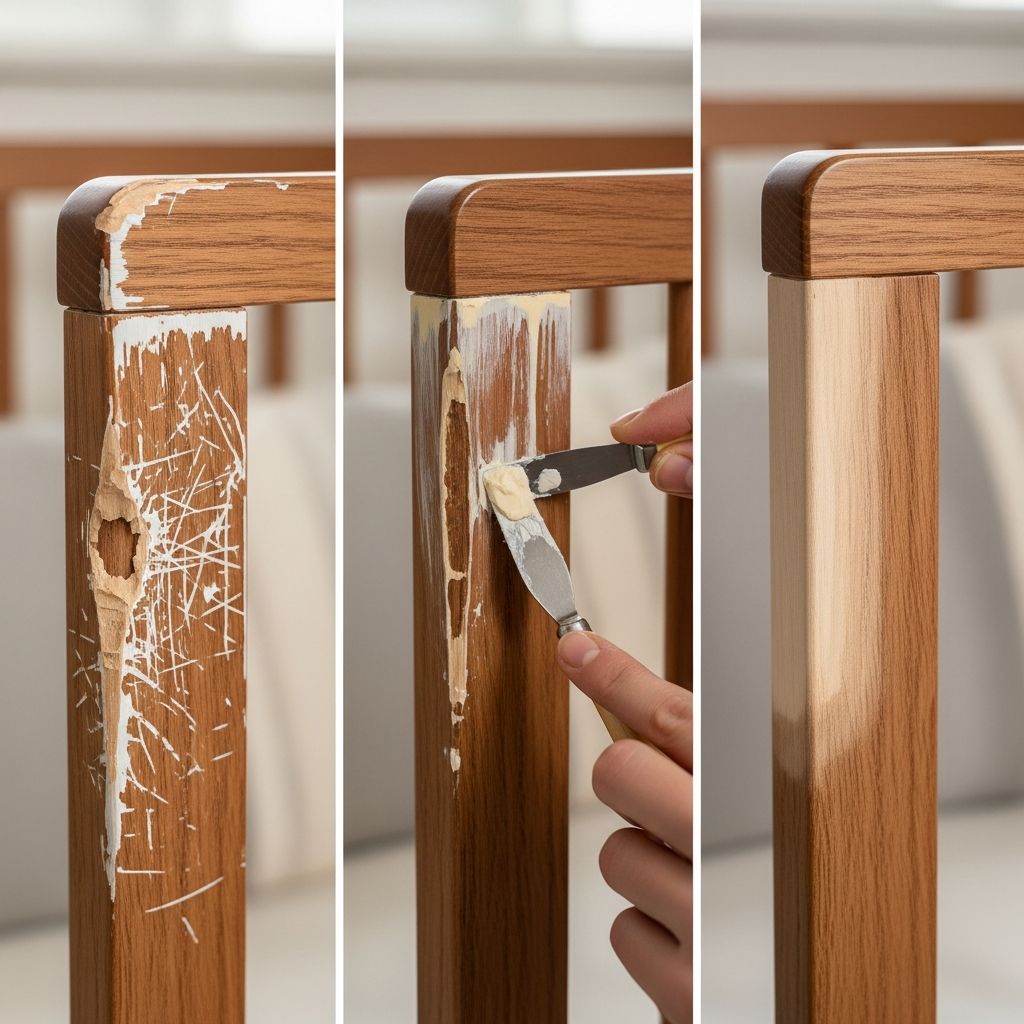
Teething babies often leave noticeable chew marks on crib rails, but these can be repaired effectively with simple tools and techniques to restore the crib’s appearance and safety. This comprehensive guide provides original methods for assessment, repair, prevention, and maintenance, ensuring your nursery remains a secure space.
Understanding Chew Marks from Teething
During teething, infants explore with their mouths, leading to bite impressions on wooden crib components. These marks typically appear as shallow grooves or indentations on rails, often 6-12 months when first teeth emerge. While natural, they raise concerns about splinters, paint ingestion, and long-term crib integrity.
Lead-based paints in older cribs pose poisoning risks, as young bodies absorb toxins rapidly. Modern standards mandate lead-free finishes, but verifying compliance is essential, especially for second-hand items. Check official recall databases to confirm safety.
Assessing Damage Before Repairs
Begin by inspecting all crib surfaces under good lighting. Categorize marks as superficial (surface scratches), moderate (visible grooves), or deep (splintered wood). Test paint stability by rubbing a soft cloth; flaking indicates refinishing needs.
- Superficial: Light sanding suffices.
- Moderate: Fillers and smoothing required.
- Deep: May need professional evaluation to avoid structural weakness.
Ensure crib meets current safety regulations: slats no more than 2 3/8 inches apart, no drop sides, and stable assembly. Disassemble removable parts for easier work.
Tools and Materials for Crib Restoration
Gather child-safe supplies: fine-grit sandpaper (220-400 grit), wood filler, non-toxic primer, lead-free paint matching the original, soft brushes, and protective covers like silicone rail guards for prevention.
| Item | Purpose | Safety Note |
|---|---|---|
| Fine Sandpaper | Smooths surfaces | Dust-free variety preferred |
| Wood Filler | Fills gouges | Water-based, low-VOC |
| Lead-Free Paint | Restores finish | ASTM-certified |
| Silicone Guards | Prevents recurrence | BPA-free, chew-resistant |
Step-by-Step Repair Process
Step 1: Preparation and Cleaning
Remove the baby from the area and cover the mattress with plastic sheeting. Wipe rails with mild soap and water, then dry thoroughly. This removes saliva residue that could interfere with adhesion.
Step 2: Sanding Superficial Marks
For light scratches, sand gently in the direction of the wood grain using 220-grit paper. Progress to 400-grit for a smooth finish. Wipe away dust with a tack cloth. This method evens out minor teething dents without altering structure.
Step 3: Filling Moderate to Deep Gouges
Apply wood filler with a putty knife, pressing firmly into grooves. Overfill slightly for shrinkage. Let dry per instructions (usually 1-2 hours), then sand flush. Repeat for uniformity.
Step 4: Priming and Painting
Apply non-toxic primer thinly, feathering edges to blend. Once dry, add 2-3 coats of matching paint, sanding lightly between layers. Use a foam brush for streak-free results. Full cure takes 24-48 hours.
Step 5: Sealing for Durability
Finish with a clear, water-based polyurethane sealant. This protects against moisture and future chewing, extending crib life.
Preventing Future Teething Damage
Proactive measures reduce repairs. Install thick silicone rail covers that encase rails fully, cushioning gums while deterring access to wood. These are soft yet durable, minimizing bite angles.
Provide diverse teething toys: textured silicone rings, wooden grabbers (unfinished), or fabric books. Chill them in the fridge (not freezer) for soothing relief. Variety engages different jaw areas, preventing habit formation.
Lower the mattress to its lowest position once baby stands, raising rails out of reach. This balances accessibility with safety, reducing fall risks.
Teething Relief Techniques for Babies
Support gum comfort to curb crib chewing. Gently massage gums with clean fingers dipped in cold water, 3 times daily. Offer chilled teethers for 20-30 minutes sessions.
For excessive drooling, consult pediatricians for OTC gels. Avoid flavored remedies if baby resists tastes. Maintain hygiene by washing toys daily.
Safety Standards and Crib Selection
Choose cribs certified by CPSC and ASTM: lead-free, durable finishes, no small parts. For used cribs, verify no recalls via official sites. Avoid hand-me-downs with unknown histories.
Regularly inspect for loose hardware or chew progression. Transition to toddler beds around 2-3 years or 35 inches tall.
Common Mistakes to Avoid
- Using solvent-based fillers near baby areas.
- Ignoring splinters that could cause injury.
- Skipping ventilation during painting.
- Not securing rail guards properly.
Long-Term Nursery Maintenance
Beyond repairs, clean crib weekly with vinegar solutions. Rotate toys to maintain interest. Document changes for resale value preservation.
Frequently Asked Questions
Is it safe to sand a crib with baby nearby?
No. Work in a ventilated area away from child, wearing a mask to contain dust.
Can bite marks weaken the crib?
Minor ones no, but deep damage may compromise integrity; consult manufacturer.
What if paint chips after repair?
Ensure primer bonds well; use quality lead-free products.
Are silicone guards machine-washable?
Most yes; check labels for care instructions.
How long does teething last?
Typically 6-24 months, varying per child.
Advanced Repair for Convertible Cribs
For 4-in-1 models, disassemble to toddler rail stage if needed. Match finishes across conversions. Professional refinishing suits heirloom pieces.
Experiment with natural waxes post-paint for eco-friendly shine, repelling saliva.
References
- Crib Safety Guidelines and Lead Paint Risks — U.S. Consumer Product Safety Commission (CPSC). 2023-01-15. https://www.cpsc.gov/s3fs-public/cribs.pdf
- Infant Teething and Oral Motor Development — American Academy of Pediatrics (AAP). 2024-05-20. https://publications.aap.org/pediatrics/article/153/6/e2024061234/196104
- Wood Finishing Safety Standards for Children’s Furniture — ASTM International. 2022-07-01. https://www.astm.org/f1169-21.html
- How To Keep Babies From Chewing On Crib — The DOM Family. 2023-11-10. https://thedomfamily.com/how-to-keep-babies-from-chewing-on-crib/
- What To Do if Your Baby Chews on Their Crib — Simply Nursery. 2024-02-14. https://www.simplynursery.com/blogs/simply-mom-and-baby/what-to-do-if-your-baby-chews-on-their-crib
Similar Articles








Read full bio of Sneha Tete