Fixing Torn Wallpaper: DIY Guide
Restore your walls effortlessly with proven techniques to mend tears, bubbles, and peeling seams in any wallpaper type.
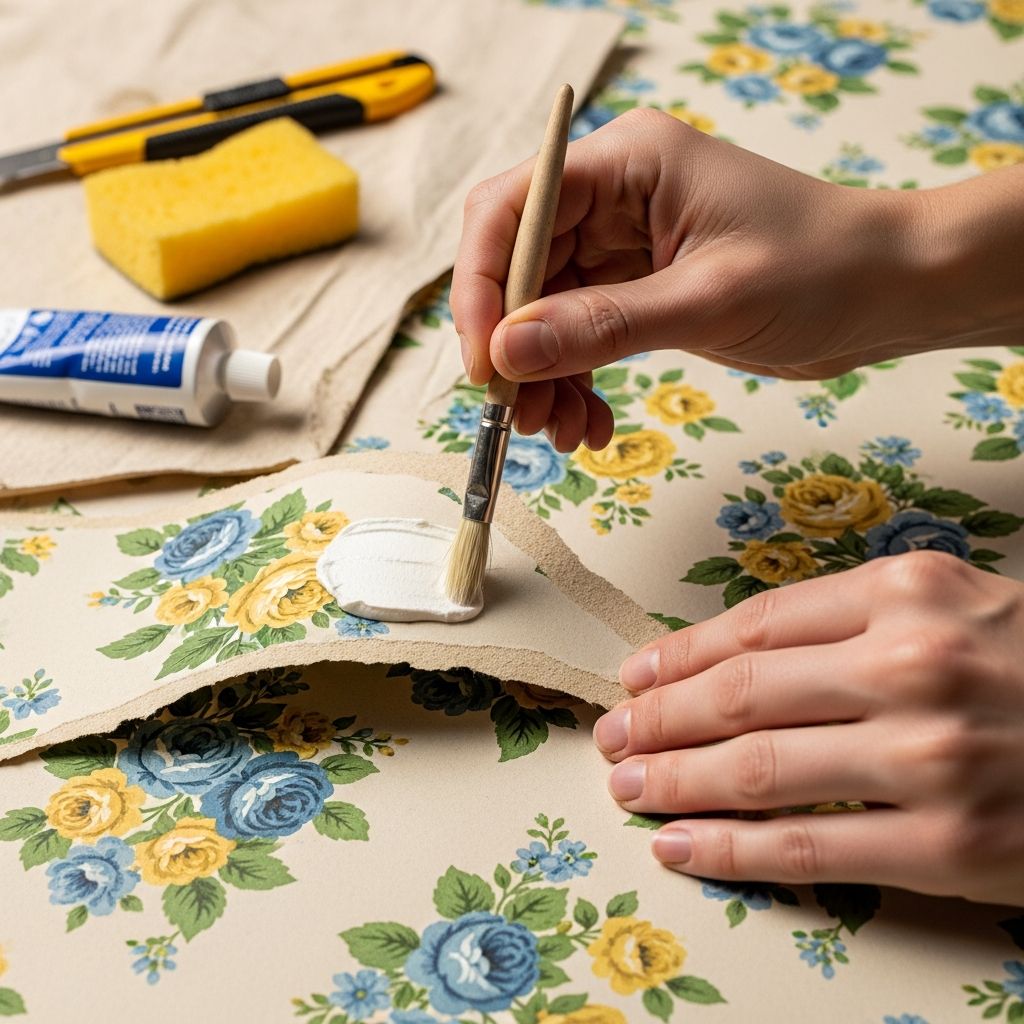
Wallpaper adds style and texture to interiors, but tears from furniture shifts, pets, or accidents can mar its appearance. This guide provides practical methods to repair common damages like tears, bubbles, lifting seams, and moisture issues, ensuring seamless results without professional help.
Understanding Wallpaper Damage Types
Before repairs, identify the issue. Tears vary from clean straight cuts to jagged rips, while bubbles trap air or excess paste. Lifting seams occur at edges, often due to poor adhesion or humidity. Moisture damage leads to peeling or mold, requiring source elimination first.
| Damage Type | Common Causes | Difficulty Level | Est. Time |
|---|---|---|---|
| Clean tears | Furniture abrasion, sharp objects | Easy-Moderate | 15-30 min |
| Jagged tears | Pet claws, impacts | Moderate | 30-60 min |
| Bubbles/pockets | Trapped air, uneven paste | Easy | 10-20 min |
| Lifting seams | Humidity, weak glue | Moderate | 20-40 min |
| Moisture peeling | Leaks, high humidity | Moderate-Hard | 1-3 hours + drying |
Gathering Essential Tools and Materials
Stock up on these items for efficient fixes:
- Utility knife or sharp blade for precise cuts
- Seam roller or plastic smoother to press edges flat
- Wallpaper adhesive or seam repair glue (clear-drying formula preferred)
- Damp sponge and clean cloths for cleaning
- Syringe or small brush for applying glue under edges
- Level, straightedge, and sandpaper for alignment and finishing
- Scrap wallpaper matching your pattern (save extras from installation)
- Isopropyl alcohol (70%) for cleaning non-porous surfaces
For peel-and-stick types, double-sided tape works well without extra paste.
Step-by-Step: Repairing Simple Tears
Clean straight tears blend invisibly if aligned properly.
- Assess and clean: Gently separate edges without widening the tear. Wipe debris with a damp cloth; dry thoroughly.
- Align edges: Use a straightedge to butt them together seamlessly.
- Apply adhesive: Brush or syringe thin glue under both sides. Avoid excess to prevent bulging.
- Press and roll: Smooth from center outward with a roller. Wipe squeeze-out immediately.
- Dry and check: Allow 24 hours; sand lightly if seams show.
For jagged tears missing material, proceed to patching.
Advanced Patching for Larger or Patterned Tears
Patterned wallpapers demand matching scraps for undetectable repairs.
- Select scrap: Find leftover paper with identical pattern and color batch.
- Position overlay: Place scrap over tear, aligning motifs perfectly. Tape temporarily if needed.
- Double-cut method: Trace tear outline through both layers with a sharp knife, creating matched edges.
- Remove and prep: Lift damaged section carefully. Scrape old glue from wall; clean both surfaces.
- Install patch: Paste wall lightly, position patch, and roll firmly. Feather edges with fine sandpaper (220-grit).
This technique ensures continuity in busy patterns like florals or geometrics.
Eliminating Bubbles and Air Pockets
Small bubbles deflate easily; larger ones need intervention.
- Puncture center with a fine pin, gently pressing air out toward edges.
- For persistent pockets, inject adhesive via syringe, then smooth.
- Over fresh paint? Perforate, seal with primer, and repaste after curing.
Prevention: Apply paste evenly during installation and book sheets properly.
Addressing Lifting Seams and Peeling Edges
Humidity often causes seams to curl, especially near doors or windows.
- Moisten gently: Dampen seam with a wet cloth or rag for 1-2 minutes to reactivate glue. Avoid soaking.
- Lift minimally: Use a scraper to expose 1-2 inches; clean residue with alcohol-water mix.
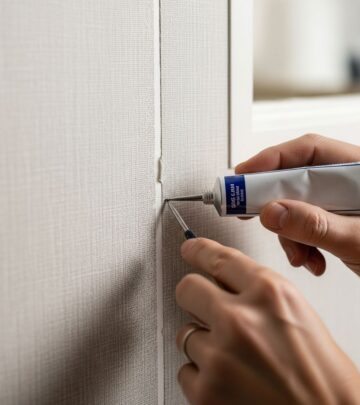
- Re-glue: Apply seam adhesive sparingly with a brush. For stubborn lifts, use a tube applicator.
- Secure: Reposition, roll vigorously, and weight if possible overnight.
Peel-and-stick fixes: Clean wall 2-3 times with alcohol solution, then add double-sided tape strips close to edges without overhanging.
Handling Moisture and Mold Damage
Address underlying leaks first—check plumbing, vents, or roofs.
- Remove affected sections fully; treat wall with mildew cleaner.
- Dry completely (use fans/dehumidifier, 48+ hours).
- Prime with mold-resistant formula; repaste with fresh scrap.
Maintain indoor humidity below 55% to prevent recurrence.
Repairing Corners and Trim Areas
Corners lift from building settling; trim edges from daily wear.
- Inside corners: Cut relief slits, paste both flaps, roll separately.
- Outside corners: Overlap or cap with trim; extra paste at edges.
- Switches/outlets: De-gloss surrounding paint, apply border adhesive, roll tight.
Troubleshooting Common Repair Challenges
| Issue | Solution | Tools Needed |
|---|---|---|
| Seam won’t stick | Prime wall first; use stronger adhesive | Primer, heavy-duty paste |
| Pattern mismatch | Double-check alignment with level | Level, tape |
| Bubbles return | Inject more adhesive; perforate wall | Syringe, perforation tool |
| Color bleed | Dry fully before pasting; test scraps | Fan, test pieces |
Prevention Strategies for Long-Lasting Wallpaper
Proactive steps minimize future repairs:
- Purchase 10-15% extra rolls for scraps.
- Prime walls with wallpaper-specific primer.
- Use paste matching your paper type (heavy-duty for vinyl).
- Seal edges near sinks/windows with caulk.
- Avoid direct furniture contact; use bumpers.
FAQs
Do I need matching wallpaper scraps?
Yes, for patterned papers; buy extra during install.
Can repairs be invisible?
Often yes, with double-cut patches and careful rolling.
What if damage is extensive?
Replace full panels or strips; cut vertically to hide seams.
Is steaming safe?
For reactivation, yes—but sparingly to avoid tears.
How long until wallpaper dries?
24-48 hours; avoid touching during this time.
References
- How to Repair Damaged Wallpaper: Complete DIY Guide — Hemlock Painting. 2023. https://www.hemlockpainting.com/blog/how-to-repair-damaged-wallpaper/
- How to Repair Peel and Stick Wallpaper — Koko Art Shop. 2024. https://www.kokoartshop.com/blogs/advice-tips-tricks/how-to-repair-peel-and-stick-wallpaper
- How to Repair Wallpaper Seams — YouTube (Wallpaper Installation Expert). 2022-10-15. https://www.youtube.com/watch?v=EyMTOTpGMPk
- What to Do When Your Wallpaper Seams Start to Lift — Wallhub. 2023. https://www.wallhub.com.sg/what-to-do-when-your-wallpaper-seams-start-to-lift/
- How To Repair Wallpaper | How To Patch Old Wallpaper — YouTube. 2021. https://www.youtube.com/watch?v=-QLi9j5i2Vw
Similar Articles



Read full bio of medha deb