Fixing Water-Damaged Ping Pong Table Surfaces
Restore your ping pong table's playability with proven DIY techniques for water damage repair and long-term protection.
Water exposure can warp, stain, or pit ping pong table tops, compromising gameplay and aesthetics. This guide provides detailed, original strategies for assessing damage, performing repairs, and applying protective finishes to restore functionality and extend the table’s life.
Understanding Water Damage Effects on Table Tennis Tables
Ping pong tables, typically made from medium-density fiberboard (MDF) or plywood with painted surfaces, absorb moisture easily, leading to swelling, delamination, or surface cracks. Indoor tables suffer from spills or humidity, while outdoor models face rain and UV degradation. Early intervention prevents permanent warping, where the surface deviates more than 3 mm from flatness, violating standards like those for professional play.
Common signs include soft spots, discoloration, peeling paint, and holes from impact plus moisture. Addressing these promptly maintains the low-friction top (≤0.4 coefficient) essential for consistent ball bounce.
Essential Tools and Materials for Successful Repairs
Gather these items before starting to ensure efficiency:
- Sanding tools: 220-grit sandpaper or 3M SandBlaster sheets for smoothing.
- Wood filler: High-performance options like Minwax with hardener for quick-setting patches.
- Backing materials: Wax paper or thin wood scraps for hole supports.
- Paints: Satin green spray paint (e.g., Krylon Italian Olive) for authentic color and durability.
- Tapes and cleaners: Painter’s tape, mild detergent, microfiber cloths, and car wax with UV inhibitors.
- Extras: Putty knives, scrapers, rubber gloves, and an electric buffer for polishing.
These supplies support both minor fixes and full resurfacings, adaptable for indoor or outdoor tables.
Step-by-Step Assessment of Damage Severity
Begin by inspecting the entire surface under good lighting. Tilt the table or use a straightedge to check flatness. Measure deformation: professional tables allow ≤3 mm half-top warp and ≤5 mm thickness variation.
| Damage Level | Symptoms | Recommended Action |
|---|---|---|
| Mild | Surface stains, minor softening | Clean, sand, repaint |
| Moderate | Small holes, peeling paint | Fill, sand, two-coat paint |
| Severe | Warping >3 mm, large pits | Full resurface or replacement |
Tap areas for hollow sounds indicating delamination. For outdoor tables, check undercarriage stability (≤3 mm movement) and pulley brakes.
Preparing the Surface for Repair
Clean thoroughly with warm water and mild detergent using a soft cloth. Avoid soaking; pat dry immediately. For stubborn grime, use a medium-bristle brush tested on the underside first.
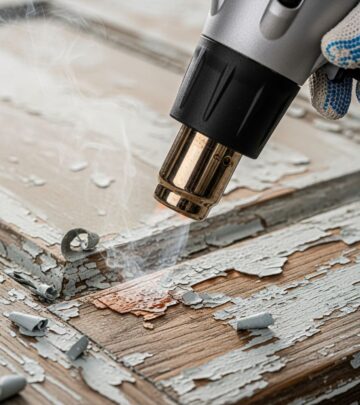
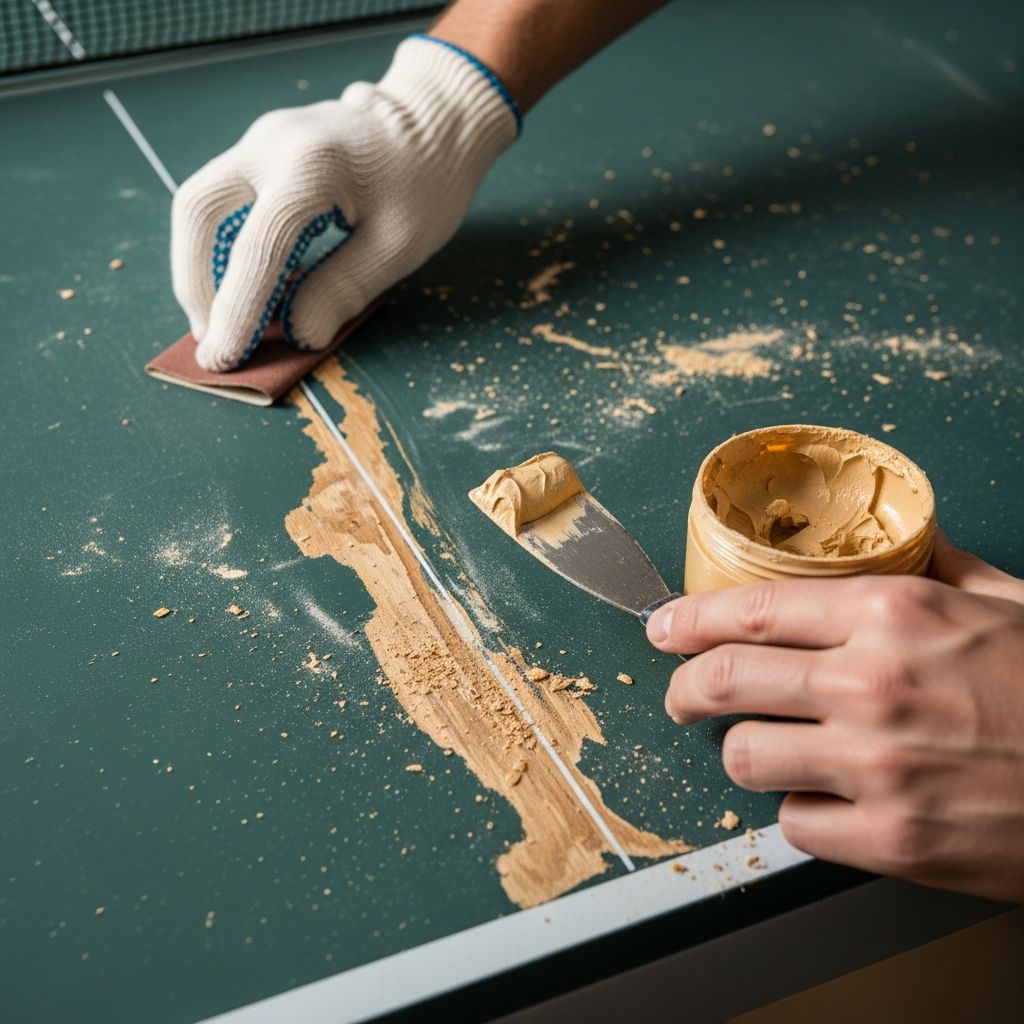
Scrape loose paint or debris with a putty knife. Sand rough edges to create a level base, progressing from coarse to 220-grit for smoothness. Wipe away dust with a tack cloth. Secure the table on a stable, covered workspace to prevent further contamination.
Filling and Patching Holes and Dents
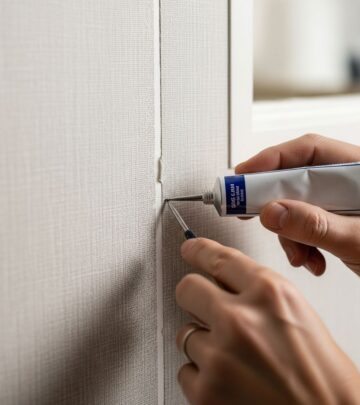
For holes, place wax paper or backing board underneath to support filler. Mix wood filler with hardener per instructions—apply within 15 minutes before it sets.
- Scoop filler into the void using a putty knife, overfilling slightly.
- Press firmly to eliminate air pockets.
- Let dry (typically 1-2 hours), then sand flush with the surface.
- Repeat for deep damage, allowing full curing between layers.
This technique, seen in practical repairs, yields seamless patches matching the table’s texture.
Sanding for a Smooth Playing Surface
Sanding is crucial for uniform bounce. Use 220-grit paper in circular motions, checking frequently with a straightedge. For resurfacing, sand until paint is removed, exposing bare wood.
Vacuum debris and wipe with a damp cloth. Between coats, light sanding prevents orange peel texture. Aim for a matte finish ready for painting.
Applying Paint for Professional Resurfacing
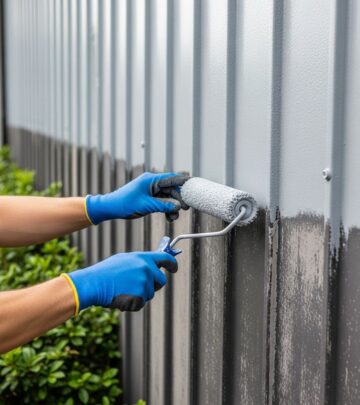
Mask non-playing areas with painter’s tape. Apply 2-3 thin coats of satin green spray paint, holding the can 10-12 inches away. Allow 30-60 minutes drying between coats.
For best flow, use 2-pot paints with extended drying times on large areas. Full cure takes 24-48 hours. Test bounce post-paint: a regulation table requires consistent 23-26 cm rebounds from 30 cm drops.
Sealing and Protecting the Repaired Surface
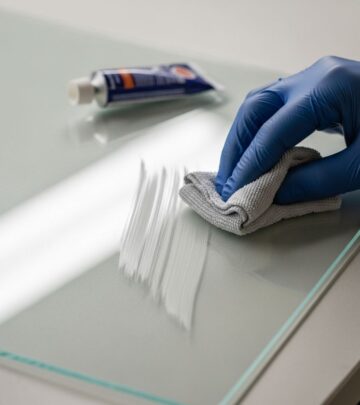
Enhance durability with non-abrasive car wax containing UV blockers. Apply thinly with a microfiber cloth, buff to shine using a clean rag or buffer.
For outdoor tables, this repels water and resists sun fading. Reapply every 3-6 months. Avoid hot items or sharp objects to prevent new damage.
Preventive Maintenance for Longevity
Store tables in dry, shaded spots away from direct sun. Cover when not in use. Clean weekly with damp cloths, never abrasive pads.
Inspect connections and wheels regularly, especially outdoors. Proper placement avoids dragging on uneven ground, preserving flatness and paint integrity.
Indoor vs. Outdoor Table Repair Differences
| Aspect | Indoor | Outdoor |
|---|---|---|
| Material Focus | MDF swelling | UV/metal corrosion |
| Cleaning | Detergent wipes | Waterproof wax |
| Storage | Humidity control | Covered, elevated |
| Paint | Standard satin | UV-resistant |
Outdoor models demand extra checks on steel frames and waterproofing.
Troubleshooting Common Repair Issues
- Paint bubbling: Sand lightly and reapply thinner coats.
- Filler cracking: Use less hardener or finer grit sanding.
- Uneven bounce: Resand entire surface for consistency.
- Quick re-damage: Improve sealing and storage habits.
FAQs
Can I fully resurface an old ping pong table myself?
Yes, with proper sanding and quality paint, DIY resurfacing restores playability effectively.
How long does a repair take?
Minor fixes: 2-4 hours; full resurface: 1-2 days including drying.
What if the table is severely warped?
Consider professional refinishing or replacement if deformation exceeds 5 mm.
Is special paint required?
Satin green spray paint mimics tournament standards; choose UV versions for outdoors.
How to maintain after repair?
Wipe gently, wax periodically, and store covered.
References
- How to Resurface a Ping Pong Table — ClamorManagement (YouTube). Accessed 2026. https://www.youtube.com/watch?v=0sn91ToBTWg
- How to repair a hole in a Ping Pong Table – DIY — Brick Building Kids (YouTube). Accessed 2026. https://www.youtube.com/watch?v=94wd59LHqOs
- How To Care For An Outdoor Table Tennis Table — popp.world. Accessed 2026. https://popp.world/How-To-Care-For-An-Outdoor-Table-Tennis-Table
- Ding! You Have Some Tips For Table Maintenance That You Need — Double Fish Sport. Accessed 2026. https://www.doublefish.com/ding-you-have-some-tips-for-table-maintenance-that-you-need-to-check_n67
- Repainting a table tennis table — TableTennisDaily Forum. Accessed 2026. https://www.tabletennisdaily.com/forum/topics/repainting-a-table-tennis-table.31113/
Similar Articles



Read full bio of Sneha Tete