3 Flat Roof Types: Materials & Installation Guide
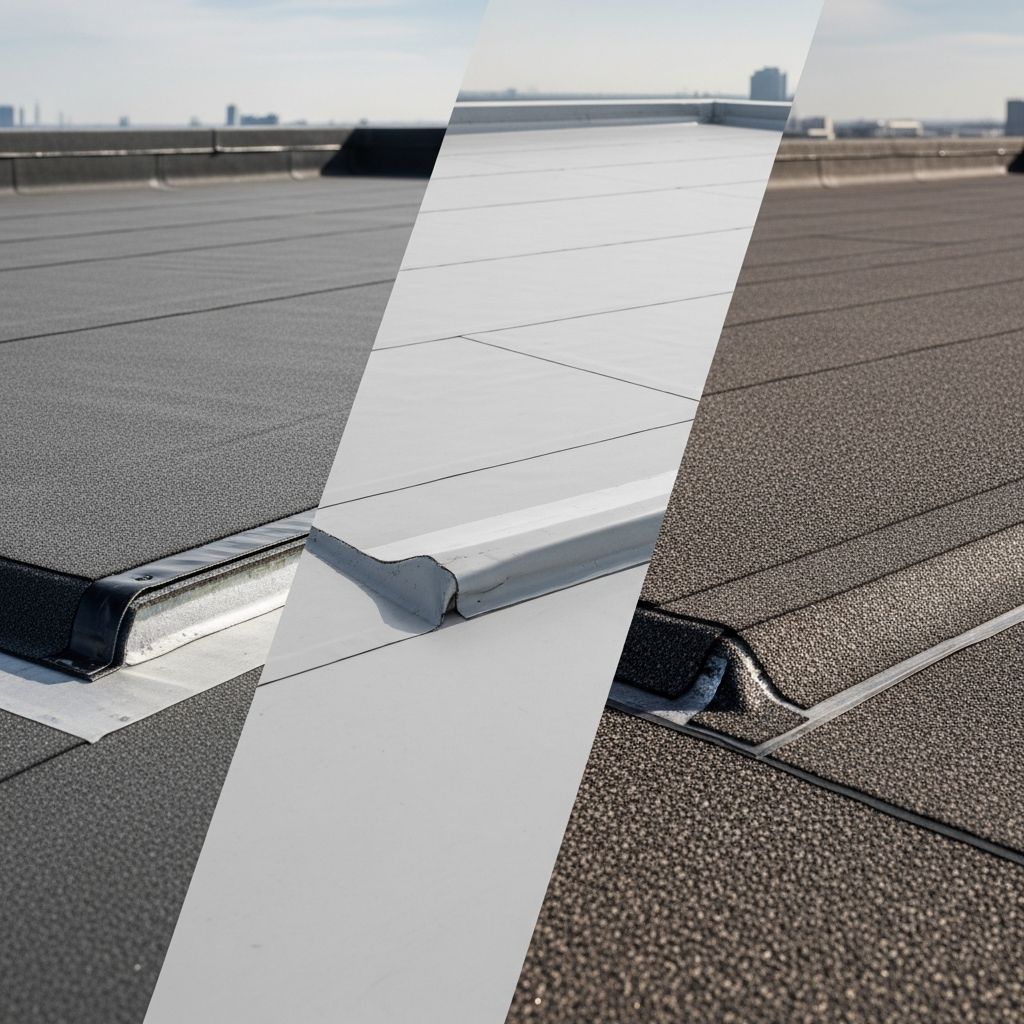
Explore the three main flat roof types: built-up, modified bitumen, and single-ply membranes.
Understanding Flat Roof Types: A Comprehensive Guide
Flat roofs have become increasingly popular in both residential and commercial construction, offering a modern aesthetic and practical benefits that pitched roofs cannot match. Unlike traditional sloped roofs, flat roofs provide additional usable space, simplified maintenance access, and excellent opportunities for installing solar panels or creating rooftop gardens. However, selecting the right flat roof material is crucial for ensuring long-term durability, waterproofing, and cost-effectiveness. While flat roofs may appear completely level, they actually incorporate a subtle slope—typically between 1/4 inch and 1/2 inch per foot—to facilitate proper water drainage and prevent pooling.
The three primary flat roof types used in modern construction each offer distinct advantages and considerations. Understanding the differences between these systems helps homeowners and contractors make informed decisions based on specific project requirements, budgets, and long-term maintenance expectations. This guide explores built-up roofing (BUR), modified bitumen roofing, and single-ply membrane systems, examining their construction, durability, installation processes, and suitability for various applications.
1. Built-Up Roofing (BUR): The Traditional Choice
Built-up roofing, commonly referred to as tar and gravel roofing, represents one of the oldest and most established flat roofing systems still in use today. This traditional method has been the industry standard for decades, earning its reputation through proven performance and widespread contractor familiarity. BUR systems consist of multiple layers of bitumen (asphalt or tar) alternated with reinforcing fabrics or felts, creating a durable, multi-ply waterproofing membrane.
Construction and Composition
A typical built-up roof comprises at least three plies of waterproof material layered alternately with hot tar or bitumen. The structure begins with a base layer of felt adhered to the substrate using hot tar, followed by additional alternating layers of felt and bitumen. The final layer features a protective coating or aggregate finish, traditionally smooth river stone or gravel, which shields the underlying bitumen from ultraviolet radiation and foot traffic damage. This gravel layer also improves fire resistance and provides thermal mass that helps regulate temperature fluctuations.
Modern built-up roofing has evolved from traditional tar-paper construction to incorporate more advanced materials such as fiberglass membranes and synthetic reinforcing fabrics. These improvements enhance water resistance, durability, and installation efficiency while maintaining the proven multi-ply protection that has made BUR systems reliable for protecting buildings for over a century.
Installation Process
Installing built-up roofing requires multiple steps and typically involves heating bitumen on-site to temperature levels exceeding 500 degrees Fahrenheit. Contractors apply hot tar between each ply using specialized equipment, creating strong adhesive bonds that integrate the layers into a cohesive membrane. The installation process is labor-intensive and requires careful coordination to ensure proper application of each layer before the bitumen cools and solidifies.
Advantages and Disadvantages
Built-up roofing offers several compelling advantages that explain its continued popularity. The system provides excellent waterproofing protection, proven durability spanning 15 to 20 years or longer with proper maintenance, and a relatively low initial cost compared to some alternative systems. The overlapping layers provide redundant waterproofing, meaning that even if one layer sustains minor damage, the underlying layers continue protecting the structure.
However, BUR systems present notable disadvantages that have prompted many contractors to recommend alternative solutions for modern projects. The installation process produces strong odors from heating bitumen, creating unpleasant conditions for nearby occupants and workers. The system is heavy, requiring substantial structural support, and maintenance can be challenging. Additionally, repairing built-up roofs often involves additional hot tar application, which presents safety concerns and further odor issues. The gravel layer can scatter and become displaced, requiring periodic replenishment to maintain protection.
2. Modified Bitumen Roofing: The Modern Evolution
Modified bitumen roofing represents a significant technological advancement in flat roof systems, combining the proven waterproofing capabilities of traditional asphalt with modern polymer reinforcement. This hybrid approach addresses many limitations of conventional built-up roofing while maintaining the cost-effectiveness and reliability that contractors value.
Material Composition and Properties
Modified bitumen is an asphalt-based material reinforced with polymers such as atactic polypropylene (APP) or styrene-butadiene-styrene (SBS). These polymer additives fundamentally alter the bitumen’s performance characteristics, improving flexibility at low temperatures, enhancing resistance to thermal cracking, and providing superior elasticity compared to unmodified asphalt. The polymer reinforcement allows modified bitumen to accommodate building movement and expansion-contraction cycles without developing cracks that would compromise waterproofing integrity.
Application Methods
Modified bitumen roofing offers remarkable flexibility in installation approaches, accommodating diverse project requirements and climate conditions. Contractors can apply the material using three primary methods:
Hot-Applied Installation: Bitumen is heated to working temperature and applied using traditional hot-tar methods, creating strong adhesive bonds between layers and to the substrate. This approach offers excellent durability and fast cure times but produces similar odor concerns as conventional BUR installation.
Cold-Applied Adhesives: Self-adhesive or separately-applied cold adhesives eliminate the need for heating equipment, reducing odor, safety hazards, and installation complexity. This method works well in temperature-sensitive environments or where fire safety is a concern.
Self-Adhesive Sheets: Pre-manufactured modified bitumen sheets feature factory-applied adhesive on the bottom surface, requiring only peel-and-stick installation. This approach provides convenience and consistency, though worksite conditions must remain within specific temperature ranges for optimal adhesion.
Seam Sealing Technology
One critical advantage of modified bitumen systems involves seam management. Contractors melt overlapping seams together using specialized equipment, creating continuous waterproof joints without separate sealant applications. This thermal welding process produces reliable, durable connections that resist water infiltration more effectively than seams in single-ply systems.
Advantages and Performance Characteristics
Modified bitumen roofing combines proven waterproofing reliability with modern performance improvements that address many BUR limitations. The system offers greater flexibility than traditional built-up roofing, accommodating thermal movement without cracking. Installation can occur in cooler temperatures than conventional BUR systems, extending installation seasons. The material’s compatibility with both hot and cold application methods provides project flexibility, while the thermal seam-welding process creates exceptionally strong joints. Modified bitumen systems typically last 10 to 15 years or longer with proper maintenance, offering excellent value for the investment.
3. Single-Ply Membrane Roofing: Modern Efficiency
Single-ply membrane roofing systems represent the contemporary approach to flat roof protection, utilizing large sheets of specialized materials applied as a unified membrane rather than multiple layers. These systems have gained significant market share in recent decades, particularly for residential applications, commercial buildings, and modern architectural designs.
EPDM Rubber Membranes
Ethylene propylene diene monomer (EPDM) rubber represents one of the most popular single-ply membrane options, offering exceptional durability and weather resistance. EPDM sheets, typically 45 to 60 mils thick, are rolled out across the roof substrate and secured using mechanical fasteners, adhesives, or ballast stones. The material provides excellent flexibility across temperature extremes, resisting both brittle cracking in cold conditions and softening in extreme heat.
EPDM roofing offers several compelling advantages including straightforward installation, minimal odor during application, excellent UV resistance, and reliable waterproofing when seams are properly sealed. The material accommodates building movement gracefully, and repairs are relatively simple—contractors can patch damaged areas using rubber repair kits without removing surrounding material. EPDM typically lasts 15 to 20 years or longer, providing excellent long-term performance.
TPO Roofing Systems
Thermoplastic polyolefin (TPO) membranes have emerged as a energy-efficient alternative to EPDM and other single-ply systems. TPO combines the durability of plastic polymers with enhanced reflectivity, making it particularly suitable for buildings requiring reduced cooling costs. The material features inherent light color, typically white, which reflects substantial solar radiation back to the atmosphere, significantly reducing roof surface temperatures and building cooling loads.
TPO roofing resists UV degradation effectively and provides strong resistance to chemical exposure, making it suitable for applications near pools, rooftop restaurants, or industrial settings. The material seals using thermal welding similar to modified bitumen systems, creating strong, reliable seams. TPO typically costs less than comparable PVC systems while offering similar performance benefits.
PVC Roofing Membranes
Polyvinyl chloride (PVC) represents one of the most durable and chemically resistant single-ply membrane options available. PVC roofing combines exceptional longevity with outstanding fire resistance, chemical resistance, and puncture resistance. The material’s inherent light color and high reflectivity provide excellent energy efficiency benefits similar to TPO systems, with cooling cost reductions that can offset premium material costs over extended roof life.
PVC membranes feature strong seams created through thermal welding, providing reliable waterproofing at vulnerable connection points. The material withstands high winds exceptionally well, maintaining secure adhesion even in severe weather. However, PVC roofing typically carries a higher initial cost than EPDM or TPO alternatives, requiring larger upfront investment despite superior long-term durability and performance.
Single-Ply Advantages and Considerations
Single-ply membrane systems offer modern efficiency and straightforward installation compared to traditional multi-ply systems. The absence of seams within the membrane—except at necessary sheet connections—reduces potential leak points significantly. Installation is generally cleaner than tar-based systems, involves minimal odor, and can proceed in wider temperature ranges. Repairs are convenient and economical, particularly for EPDM systems. The lower material weight reduces structural demands on buildings, an important consideration for retrofit projects on existing structures.
Single-ply systems do present some considerations for decision-making. While individual sheets are large, installation requires careful seam management to ensure waterproof connections. Some systems require balancing against wind uplift using adhesive, fasteners, or ballast stone. The initial cost can exceed traditional BUR systems, though long-term durability often justifies the investment.
Comparative Analysis of Flat Roof Types
| Characteristic | Built-Up Roofing | Modified Bitumen | Single-Ply Membrane |
|---|---|---|---|
| Typical Lifespan | 15-20 years | 10-15 years | 15-30 years |
| Initial Cost | Low to Moderate | Moderate | Moderate to High |
| Installation Complexity | High (Hot tar required) | Moderate (Flexible methods) | Moderate |
| Weather Resistance | Excellent | Very Good | Excellent |
| Energy Efficiency | Poor (Dark gravel) | Fair to Good | Good to Excellent |
| Installation Odor | High | Moderate to High | Minimal |
| Repair Ease | Difficult | Moderate | Easy (especially EPDM) |
Installation Considerations for Flat Roofs
Regardless of which flat roof type you select, proper installation is essential for long-term performance. Critical considerations include establishing appropriate slope for drainage (minimum 1/4 inch per foot), properly installing all flashing at edges and penetrations, and implementing effective drainage solutions such as interior roof drains, scuppers, or gutters.
The roof deck must be properly prepared, with plywood or OSB sheathing securely fastened and any gaps sealed to prevent water infiltration. For single-ply systems, an appropriate substrate layer may be required—such as ISO board (rigid foam insulation) beneath rubber membranes—to provide a smooth, protective base and improve insulation performance.
Maintenance and Long-Term Care
Flat roof longevity depends significantly on proper maintenance. Regular inspection for damage, debris removal, drain clearing, and prompt repairs extend roof life considerably. Built-up roofs require periodic gravel replacement and sealing of any exposed bitumen areas. Modified bitumen and single-ply systems need inspection for membrane integrity and seam quality. Many manufacturers recommend professional inspections annually and after severe weather events.
Frequently Asked Questions About Flat Roofs
Q: Why do flat roofs need slope if they’re flat?
A: Flat roofs aren’t completely flat—they incorporate a slight slope of 1/4 to 1/2 inch per foot to direct water toward drainage points. Without this slope, water pools on the roof surface, eventually leaking through membranes or causing premature failure.
Q: Which flat roof type is most cost-effective initially?
A: Built-up roofing typically offers the lowest initial installation cost, making it attractive for budget-conscious projects. However, single-ply membranes often provide better long-term value through extended lifespan and lower maintenance requirements.
Q: Can flat roofs be used for rooftop gardens or solar installations?
A: Yes, flat roofs are ideal for both applications. The level surface accommodates solar panels efficiently, and built-up and single-ply systems can support planting beds with proper waterproofing preparation and drainage management.
Q: How often should flat roofs be inspected?
A: Professional roof inspections should occur at least annually, ideally in spring and fall. Additional inspections are recommended after significant weather events, high winds, hail, or heavy snowfall that might have caused damage.
Q: What is the most energy-efficient flat roof option?
A: Single-ply membranes in white or light colors, particularly TPO or PVC systems, offer superior energy efficiency through high solar reflectivity. These materials can reduce cooling costs significantly compared to dark-colored traditional built-up roofing.
Q: Can existing flat roofs be recovered rather than replaced?
A: Yes, many flat roof systems can be recovered by installing a new membrane layer over the existing roof, provided the existing structure remains sound and can support the additional weight. This approach can be more cost-effective than complete removal and replacement.
References
- Building a Flat Roof Right — This Old House. 2024. https://www.thisoldhouse.com/roofing/21017452/building-a-flat-roof-right
- Types of Roofing Materials: A Homeowner’s Guide — This Old House. 2024. https://www.thisoldhouse.com/roofing/types-of-roofing-materials
- Five Types of Flat Roofing Systems — No. 1 Home Roofing. 2024. https://no1homeroofing.com/five-types-of-flat-roofing-systems/
- Using Rubber to Waterproof a Flat Roof — This Old House. YouTube. https://www.youtube.com/watch?v=yFZSwKc9_jw
- The 4th Kind of Flat Roof: Flat Roof Decks — Duradek. 2024. https://duradek.com/general/flat-roof-of-the-fourth-kind/
Similar Articles



Read full bio of medha deb