Flawless Kitchen Cabinet Painting: A Complete DIY Guide
Transform tired cabinets into a smooth, durable, factory-like finish—without replacing a single box.
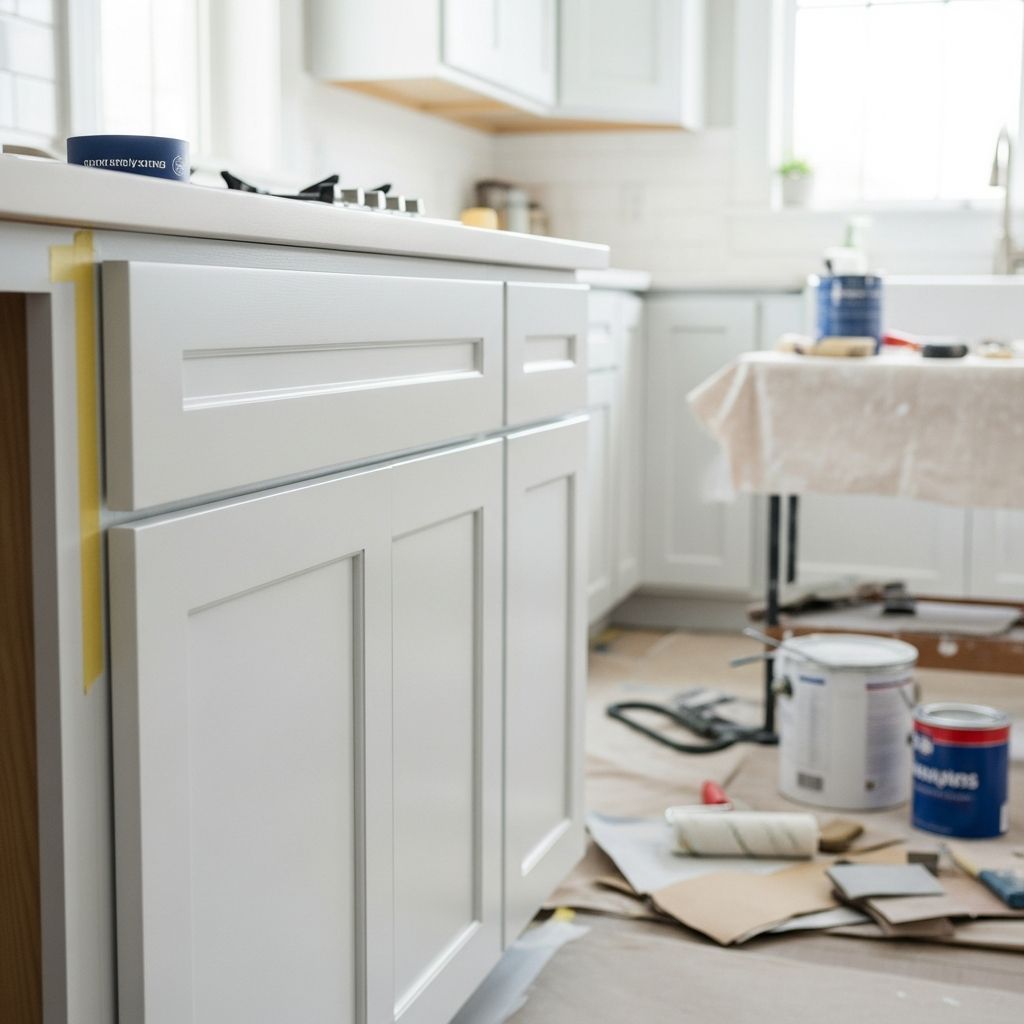
How to Paint Kitchen Cabinets for a Long-Lasting, Professional Finish
Painting kitchen cabinets is one of the most budget-friendly ways to completely change the look and feel of your kitchen without replacing the cabinetry. With a thoughtful plan, proper prep, and the right products, a DIYer can achieve a smooth, durable finish that rivals a factory spray job.
This comprehensive guide walks through every stage of the process—from evaluating your existing cabinets to choosing paint, prepping surfaces, applying coats, and solving common problems—so you can tackle this project with confidence.
Before You Start: Is Painting Your Cabinets a Good Idea?
Not every cabinet is a good candidate for paint. Spending a little time evaluating your existing kitchen will help you decide whether a paint job will look great and hold up over time.
- Material matters: Solid wood and high-quality wood veneers are ideal for painting because they sand and bond well with primers and paints.
- Condition check: Warped doors, peeling veneer, or extensive water damage should be repaired or replaced before you think about painting.
- Style and layout: If you dislike the layout or the doors are severely outdated or broken, painting alone may not give you the transformation you want.
Planning the Project: Time, Budget and Expectations
Cabinet painting is more about patience than raw skill. Understanding the time and cost involved keeps expectations realistic and results higher.
| Project Aspect | Typical Range | Notes |
|---|---|---|
| Project duration | 4–7 days | Includes drying and curing time; plan for limited kitchen use. |
| Active work hours | 12–20 hours | Varies with kitchen size and detail level. |
| DIY budget | $150–$500 | Depends on tools you already own and product quality. |
| Difficulty level | Intermediate | Accessible for careful beginners willing to follow each step. |
Tools and Supplies for a Smooth Finish
High-quality tools and coatings dramatically affect the final look. Skimping here often shows up as visible brush marks, peeling, or premature wear.
- Degreaser or heavy-duty cleaner and lint-free rags
- Painter’s tape, masking paper or plastic, and drop cloths
- Screwdriver or drill for removing doors and hardware
- Labeling system: masking tape and marker or small bags
- Sanding sponges or paper in medium and fine grits
- Tack cloth or microfiber cloth for dust removal
- High-adhesion bonding primer suitable for cabinets
- Cabinet-grade enamel paint (waterborne alkyd or similar)
- High-quality angled sash brush and low-nap or foam rollers
- Optional: wood filler, caulk, and a putty knife for repairs
Step 1: Create a Smart Work Area
Cabinet projects quickly become chaotic if you do not plan a dedicated workspace. A good setup also helps control dust and ensures doors can dry flat for a smoother finish.
- Choose a ventilated area like a garage, basement, or spare room where doors and drawers can be laid flat on stands or sawhorses.
- Cover floors and nearby surfaces with drop cloths or plastic to protect against splatters and sanding dust.
- Set up clearly marked zones: one for cleaning and prep, one for priming and painting, and a dust-free area for drying.
Step 2: Remove Doors, Drawers and Hardware
Painting around hinges and handles may sound easier, but it leads to drips, uneven edges, and stuck hardware. Removing components may be the most tedious step, but it is crucial for a clean, professional look.
- Take off all doors and drawers, and remove hinges, knobs and pulls.
- Label each piece and its matching hardware using a simple numbering system so everything returns to the same place.
- Store screws and small parts in labeled bags to avoid mixing components.
Step 3: Clean Away Grease and Grime
Kitchen cabinets collect layers of invisible grease, hand oils and cooking residue. Painting over contamination is one of the fastest ways to cause peeling and adhesion failures.
- Scrub all surfaces with a degreasing cleaner, paying special attention to areas near the stove, handles and frequently touched edges.
- Rinse or wipe with clean water according to the cleaner’s instructions and allow everything to dry completely before sanding.
Step 4: Sand and Repair the Surfaces
Light sanding does two jobs at once: it knocks down imperfections and gives primer something to hold onto. Repairs at this stage disappear under paint and help the cabinets look new instead of just repainted.
- Use a medium-grit sanding sponge on glossy finishes to dull the sheen, then follow with a finer grit for a smoother base.
- Fill dents, scratches and old hardware holes with wood filler, then sand again once dry until surfaces feel even.
- Vacuum or wipe away dust with a slightly damp cloth or tack cloth to keep debris out of your primer and paint.
Step 5: Protect the Kitchen and Surroundings
Since cabinet boxes stay in place, masking the room is essential. Taking time to protect countertops, appliances and floors will save hours of cleanup later.
- Tape along walls, ceilings, backsplashes and inside cabinet openings where paint should not reach.
- Cover countertops, appliances and floors with plastic or rosin paper, overlapping seams to block dust and drips.
Step 6: Prime for Adhesion and Durability
Primer is the bridge between the existing finish and your new paint. The right product improves adhesion, blocks stains and creates a consistent base color.
- Choose a bonding primer designed for glossy or previously finished surfaces, especially for laminate or factory finishes.
- Apply a thin, even coat on cabinet frames, doors and drawer fronts, using a brush for profiles and a roller for flat areas.
- Allow the primer to dry fully, then lightly sand with a fine-grit sponge to knock down any raised grain or dust nibs.
Step 7: Select the Right Paint and Sheen
Cabinets endure constant use, so wall paint is rarely the best choice. Look for formulas labeled for doors, trim or cabinets that dry harder and resist blocking, stains and moisture.
- Waterborne enamels and hybrid alkyd paints offer a smooth, durable finish while still cleaning up with soap and water.
- Satin and semi-gloss sheens are most common for cabinets because they balance cleanability with the ability to hide minor imperfections.
- Neutrals remain popular for resale, but darker tones and rich colors can define an island or accent wall of cabinets.
Step 8: Professional Brushing and Rolling Technique
Application technique is where many DIY jobs falter. A few simple habits help you avoid brush marks, roller stipple, drips and lap lines.
- Work in thin coats rather than trying to cover in one pass; heavy coats are slower to dry and more prone to sagging.
- Load the brush or roller moderately, lay on the paint, then gently smooth in the direction of the wood grain with light pressure.
- Maintain a “wet edge” by working from one end to the other without stopping midway on a door or drawer.
Painting Doors and Drawer Fronts
Doors and drawer fronts are the most visible surfaces, so treat them with extra care. Painting them flat greatly reduces the risk of runs and allows the paint to level more effectively.
- Start with the back side first; once it is fully dry, flip and finish the front so any minor imperfections stay hidden.
- Use a brush for recessed panels, edges and profiles, then follow quickly with a roller on the flatter sections.
Painting Cabinet Frames
Frames and end panels stay vertical, so watch carefully for drips. Good lighting helps you catch imperfections while the paint is still workable.
- Work on one section at a time, starting inside the openings and moving outward to face frames and side panels.
- Feather out brush strokes and roller marks where sections meet to keep the finish uniform.
Step 9: Multiple Coats and Proper Drying
Most cabinet paints look best with at least two finish coats over primer. Adequate drying time between coats is essential for hardness and longevity.
- Allow the first coat to dry based on product directions, then lightly sand with a fine-grit sponge to remove dust nibs or small imperfections.
- Wipe away sanding dust and apply the second coat using the same careful technique.
- If coverage is still uneven—especially with drastic color changes—a third thin coat may be preferable to forcing heavy layers.
Step 10: Curing, Reassembly and Final Adjustments
Paint can feel dry to the touch long before it reaches full hardness. Rushing reassembly is a common cause of sticking doors, scuffs and imprint marks.
- Wait as long as recommended by the paint manufacturer before reinstalling doors and drawers, and handle them gently for the first few weeks.
- Use your labeling system to reinstall each door and drawer in its original position, then reattach hardware or upgrade to new knobs and pulls for a bigger visual change.
- Make small hinge adjustments to align doors and ensure they close without rubbing painted surfaces.
Common Mistakes to Avoid
Knowing what often goes wrong can help you sidestep frustration. Most problems trace back to rushing or skipping key prep steps.
- Skipping cleaning: Paint will not bond well to greasy or dirty surfaces, no matter how good the primer is.
- Neglecting sanding: Even “no-sand” products benefit from a light scuff to knock down gloss and even out imperfections.
- Using wall paint: Softer paints may remain tacky, chip more easily and show wear faster on busy cabinet doors.
- Applying heavy coats: Thick layers slow curing, invite runs and can exaggerate surface flaws.
Quick Reference: Cabinet Painting Checklist
Use this compact checklist to stay on track throughout your project:
- Evaluate cabinet condition and choose color and finish.
- Set up a clean, organized work area.
- Remove and label doors, drawers and hardware.
- Degrease and rinse all surfaces thoroughly.
- Sand and repair dents, scratches or holes.
- Mask and protect counters, floors and appliances.
- Prime with a bonding primer and sand lightly once dry.
- Apply 2–3 thin finish coats, sanding lightly between coats.
- Allow adequate curing time before reassembly and heavy use.
Frequently Asked Questions About Painting Kitchen Cabinets
How long will painted kitchen cabinets last?
With thorough prep, quality primer and cabinet-grade paint, a DIY cabinet finish can last many years under normal use. Avoid harsh cleaners, use soft cloths for wiping, and address chips promptly to extend the life of the finish.
Do I really need to sand if I am using a bonding primer?
Light sanding is still recommended even with advanced primers because it evens the surface, removes minor defects and reduces gloss. It does not have to be aggressive, but skipping this step can increase the odds of peeling or chipping later.
Can laminate cabinets be painted?
Many laminate cabinets can be painted successfully if the laminate is securely bonded and not peeling. A specialized bonding primer formulated for slick surfaces is essential, and extra drying time between coats will help the finish cure properly.
Is a paint sprayer necessary for a professional look?
A sprayer can produce a very smooth finish, but it is not required. Using high-quality brushes and low-nap or foam rollers, combined with thin coats and careful sanding, can create a clean, factory-like result without spray equipment.
Which color should I choose for resale value?
Soft whites, warm grays and light neutrals remain popular choices because they brighten the space and appeal to a wide range of buyers. Bolder colors can be fantastic design statements, but if resale is a top priority, classic neutrals are the safest bet.
How can I keep brush marks from showing?
Use a high-quality, fine-bristle brush and a leveling enamel formulated for trim and cabinets. Work quickly, avoid over-brushing, and finish each section with light strokes in the direction of the grain to help the paint self-level as it dries.
Final Thoughts
Painting kitchen cabinets demands patience, but it is entirely achievable for a careful DIYer. By respecting the prep work, choosing appropriate products and applying multiple thin, well-dried coats, you can turn dated cabinets into a fresh, modern focal point and dramatically upgrade your kitchen without the cost and disruption of a full remodel.
Similar Articles






Read full bio of Sneha Tete