Flower Care Essentials
Master the art of keeping your cut flowers and garden blooms vibrant with proven daily care routines and expert techniques.
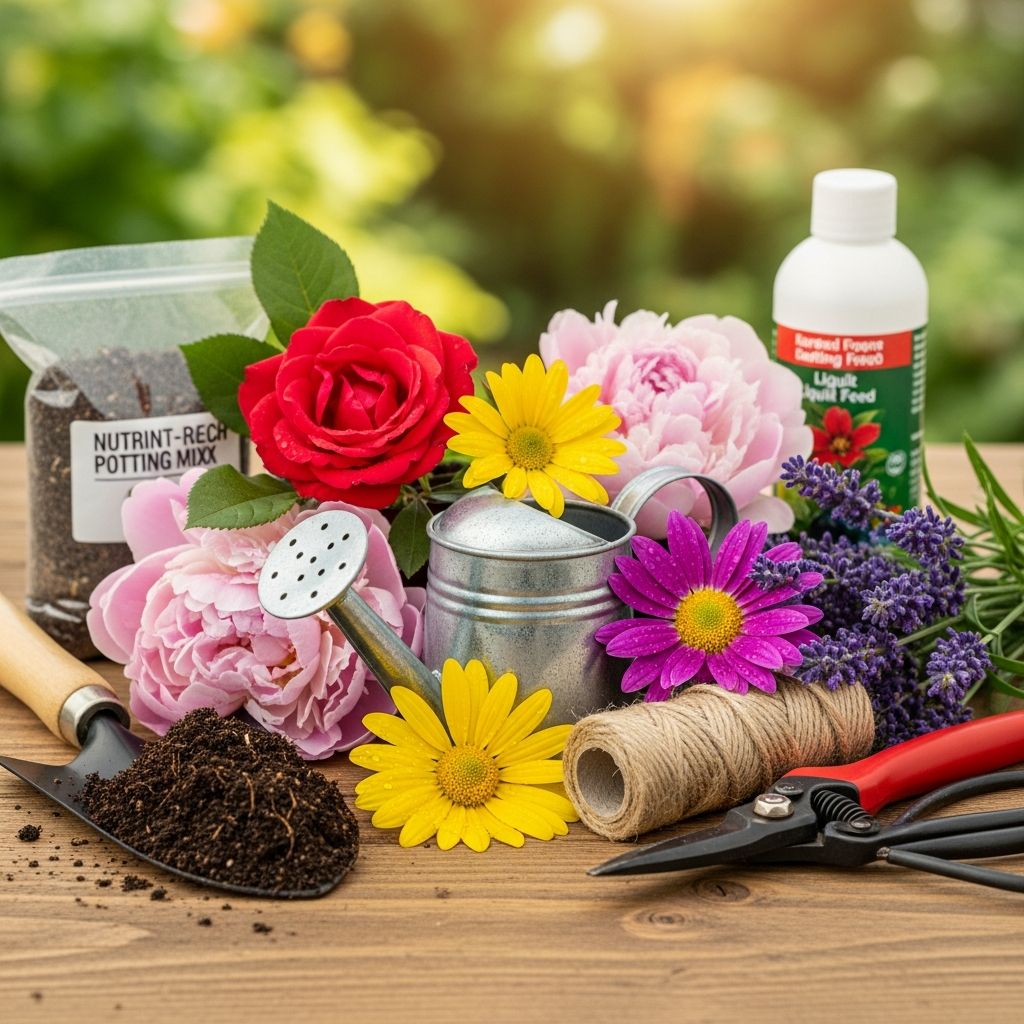
Keeping flowers fresh and vibrant requires attention to basic needs like water quality, temperature control, and timely maintenance. Whether managing a vase of cut stems or a garden bed full of blooms, consistent practices ensure longer-lasting beauty and health.
Preparing Vases for Cut Flowers
Start with a spotless vase to prevent bacterial buildup, which shortens flower life. Rinse thoroughly with hot soapy water and dry completely before use. Lukewarm water, around room temperature, helps stems absorb nutrients without shock. Fill the vase about two-thirds full to allow proper airflow.
- Clean vases eliminate bacteria that cause wilting.
- Lukewarm water promotes better uptake compared to cold.
Stem Preparation Techniques
Before placing stems in water, cut one inch off the bottom at a 45-degree angle using sharp shears or a knife. This increases surface area for water absorption and removes blocked vessels. Perform cuts underwater to avoid air bubbles that block flow. Remove all leaves below the waterline, as they decay and foster bacteria.
- Angled cuts enhance water intake.
- Submerged cutting prevents embolisms.
For woody stems like lilac or forsythia, use pruning shears for clean slices and soak in warm water to encourage opening.
Nutrient Solutions for Longevity
Flower food packets provided with bouquets contain sugars, acids, and biocides. Mix according to instructions. Homemade alternatives include one teaspoon sugar, one teaspoon lemon juice, and a pinch of bleach per quart of water. Refresh the solution every two days or when cloudy.
| Solution Type | Ingredients | Benefits |
|---|---|---|
| Commercial Packet | Sugar, acid, biocide | Balanced nutrition, bacteria control |
| Homemade | Sugar, lemon juice, bleach | Cost-effective, easy to prepare |
These additives feed the flowers while inhibiting microbial growth.
Optimal Placement and Environment
Position vases away from direct sunlight, heating vents, drafts, and appliances like TVs that emit heat. Ideal temperatures range from 65-72°F. Cool, indirect light preserves color and delays wilting. Avoid ripening fruit, as ethylene gas accelerates aging.
- Cool spots extend vase life significantly.
- Distance from heat sources prevents dehydration.
Daily and Routine Maintenance for Cuts
Check water levels daily, topping off with fresh solution. Every 2-3 days, empty the vase, recut stems, and refill. Remove faded blooms and yellowing foliage promptly to redirect energy. For arrangements in floral foam, ensure it’s saturated by adding water daily through the greens.
- Regular changes keep water clean.
- Foam arrangements need constant moisture.
Watering Strategies for Garden and Potted Flowers
Garden plants thrive with deep, infrequent watering to encourage strong roots. Water early morning or late afternoon to minimize evaporation. For pots, check soil dryness by inserting a finger an inch deep; water thoroughly until it drains from the bottom. Ensure pots have drainage holes to prevent root rot.
Mulch with 2-4 inches of organic material like shredded bark or leaves to retain moisture, suppress weeds, and regulate soil temperature.
- Deep watering benefits garden beds.
- Mulch conserves water effectively.
Pruning and Deadheading Practices
Deadheading removes spent flowers, preventing seed formation and promoting reblooming. Use sharp pruners to snip just above a leaf node or bud. Regular deadheading on roses, petunias, and marigolds extends the display season. Prune overgrown stems to maintain shape and airflow.
For perennials, pinch back tall growth mid-season to encourage bushiness.
- Deadheading redirects energy to new buds.
- Pruning improves plant health.
Feeding and Soil Health for Outdoor Blooms
Fertilize monthly with a balanced, water-soluble formula diluted to half strength. Apply after watering to avoid root burn. Incorporate compost annually to enrich soil. Specific plants like poinsettias prefer moist soil and indirect light, thriving at 60-70°F.
Pest and Disease Prevention
Inspect regularly for aphids, spider mites, or fungal spots. Use insecticidal soap for pests and remove affected parts for diseases. Good airflow from pruning reduces humidity-related issues. Mulch helps deter weeds that harbor pests.
Seasonal Adjustments for Year-Round Success
In summer, increase watering frequency during heatwaves. Winter potted flowers need protection from frost; bring indoors if needed. Spring planting benefits from consistent moisture for root establishment. Mulch refresh in fall insulates roots.
Special Care for Popular Varieties
| Flower Type | Key Tips |
|---|---|
| Roses | Deadhead regularly, thorn removal for arrangements |
| Poinsettias | Moist soil, 60-70°F, indirect light |
| Petunias | Frequent deadheading, well-drained soil |
| Lilac | Woody stems need pruning shears, warm water |
Common Mistakes to Avoid
- Using dirty vases or stagnant water.
- Placing in hot or sunny spots.
- Overwatering pots without drainage.
- Ignoring foliage below waterline.
- Forgetting to recut stems periodically.
FAQs
How often should I change vase water?
Every 2-3 days, or sooner if cloudy, to maintain freshness.
Can I use tap water for flowers?
Yes, but let it sit 24 hours to dissipate chlorine, or use filtered water.
Why do my flowers wilt quickly?
Often due to bacteria, air in stems, or poor conditions; follow prep steps closely.
Is flower food necessary?
Highly recommended; it provides essential nutrients and fights bacteria.
How do I care for floral foam arrangements?
Keep foam saturated daily by adding water through the center.
Advanced Tips from Floral Experts
Rotate inventory first-in, first-out for freshness. Handle gently to avoid bruising. For woody branches, hammer the stem ends to aid absorption. Constant temperature prevents condensation damage.
These practices, drawn from professional guidelines, maximize bloom duration. Consistent care transforms fleeting arrangements into lasting displays and keeps gardens productive.
References
- Flowers Care And Maintenance 101: A Guide On How To Keep Your Flowers Fresh — Purpink. 2023. https://www.purpink.co.ke/blogs/blog/flowers-care-and-maintenance-101-a-guide-on-how-to-keep-your-flowers-fresh
- Flower Care: Essential Tips for Healthy Blooms — Jane’s Flowers. 2023. https://www.janesflowers.com/blog/flower-guide/flower-care-essential-tips-for-healthy-blooms/4351
- Flower Care Tips — All A’ Bloom Florist. 2023. https://www.allabloomflorist.com/about/from-your-florist/flower-care-tips/
- How to Care for Your Flowers: Flower Care Tips from Nico De Swert — YouTube. 2023. https://www.youtube.com/watch?v=jJ6rAg7cVUk
- Flower Garden Maintenance Tips — Gingham Gardens. 2023. https://ginghamgardens.com/flower-garden-maintenance-tips/
- Caring for Your Summer Flower Garden — Flower Magazine. 2023. https://flowermag.com/caring-for-summer-flowers/
- The DOs and DON’Ts of Fresh Cut Flower Care & Handling — FloraLife. 2023. https://floralife.com/flower-care-handling/dos-and-donts/
Similar Articles






Read full bio of Sneha Tete