Foundation Cracks: What Is Normal and When to Worry
Learn to identify normal foundation cracks versus serious structural issues requiring professional repair.
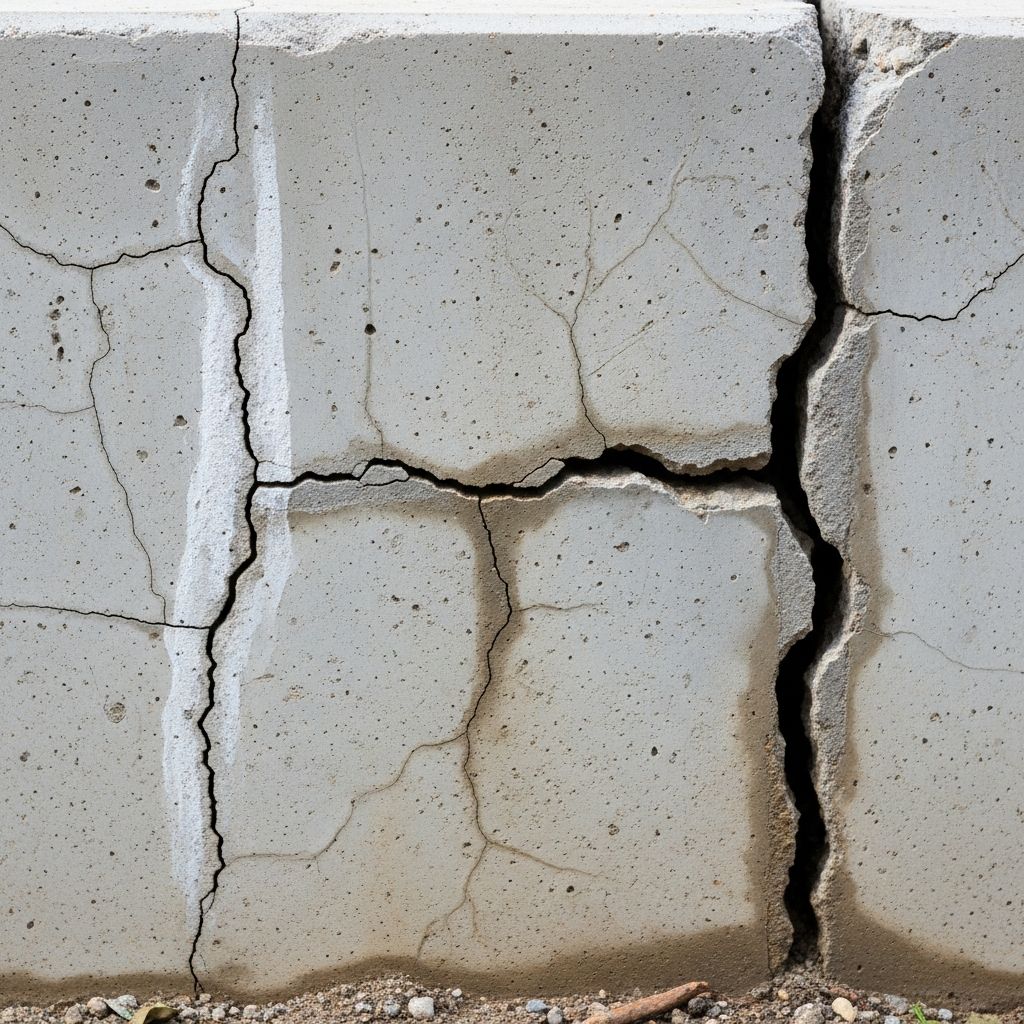
Foundation cracks are one of the most common concerns homeowners face when inspecting their properties. While some cracks are simply cosmetic and result from normal settlement, others can indicate serious structural problems that demand immediate attention. Understanding the difference between normal foundation cracks and those requiring professional repair is essential for maintaining your home’s structural integrity and protecting your investment.
Understanding Foundation Cracks
Foundation cracks occur for various reasons, ranging from minor environmental factors to significant structural issues. When a house settles after construction, small cracks often develop naturally as the foundation adjusts to its surroundings. These settlement cracks are typically hairline in width and pose no threat to your home’s structural stability.
However, foundation cracks can also develop due to soil movement, water intrusion, freeze-thaw cycles, and structural stress. The key to determining whether a crack requires attention lies in understanding its characteristics, location, and progression over time.
Types of Foundation Cracks
Foundation cracks can be classified into several categories based on their appearance, direction, and severity:
Horizontal Cracks
Horizontal cracks running across the foundation wall are typically more serious than vertical ones. These cracks often indicate hydrostatic pressure from water buildup in the soil surrounding the foundation. Horizontal cracks suggest that outside forces are pushing against the foundation wall, which can compromise structural integrity. If you notice horizontal cracks wider than one-quarter inch or cracks that are expanding, professional evaluation is critical.
Vertical Cracks
Vertical or slightly diagonal cracks are generally less concerning than horizontal cracks. These cracks typically result from normal concrete shrinkage as the material cures and settles. Vertical cracks that remain stable and do not widen over time are usually not structurally significant. However, if vertical cracks are wider than one-eighth inch or continue to expand, they may warrant professional assessment.
Stair-Step Cracks
Cracks that follow a stair-step pattern through mortar joints in brick or block foundations indicate differential settlement or movement. These cracks require professional evaluation to determine whether they result from minor settling or more serious foundation movement.
Hairline Cracks
Hairline cracks are extremely thin surface cracks that typically measure less than one-eighth inch in width. These cracks are common in new construction and older homes and usually do not require repair. However, monitoring hairline cracks over time ensures they do not widen or multiply.
When to Worry About Foundation Cracks
Certain characteristics indicate that foundation cracks require professional attention and repair:
- Cracks wider than one-quarter inch
- Horizontal or diagonal cracks at significant angles
- Cracks that are actively leaking water into the basement
- Multiple cracks appearing suddenly or cracks that widen rapidly
- Cracks accompanied by other structural problems such as bowing walls or uneven floors
- Cracks that continue expanding despite previous repair attempts
- Cracks in the foundation footing or under load-bearing walls
If your foundation displays any of these warning signs, scheduling a professional structural inspection is advisable to assess the severity and determine appropriate repair methods.
Diagnostic Methods for Foundation Cracks
Professional inspectors use advanced diagnostic tools and techniques to evaluate foundation cracks accurately. These methods provide detailed information about crack causes and appropriate repair strategies.
Visual Inspection
A thorough visual inspection involves examining the crack’s location, direction, width, and pattern. Inspectors look for cracks around windows, doors, corners, and other stress points where cracks commonly develop. They also assess the foundation’s overall condition and look for signs of water intrusion or previous repairs.
Thermal Imaging
Thermal imaging technology detects temperature variations that may indicate moisture penetration, air leaks, or structural anomalies. This non-invasive technique helps identify hidden issues that visual inspection alone might miss, providing valuable information about crack severity and water intrusion patterns.
Moisture Meters
Moisture meters measure water content in concrete and surrounding soil. Elevated moisture levels near cracks indicate water intrusion, suggesting that the crack requires waterproofing or structural repair to prevent further damage to the foundation and basement.
Structural Analysis
Engineers may perform detailed structural analysis to evaluate how cracks affect the foundation’s load-bearing capacity. This analysis helps determine whether cracks pose a threat to the home’s structural stability and what repair methods are most appropriate.
Foundation Crack Repair Techniques
Various repair techniques are available for addressing foundation cracks, and the appropriate method depends on crack severity, location, and underlying causes.
Epoxy Injection
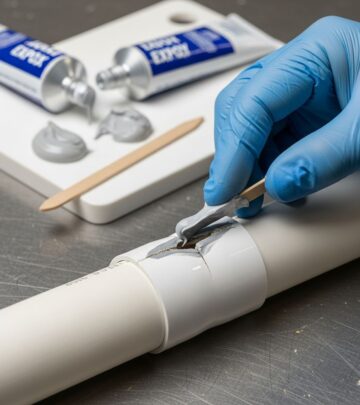
Epoxy injection is a common method for repairing narrow, non-structural cracks. The epoxy fills and seals the crack, preventing water intrusion and further deterioration. This technique is effective for both horizontal and vertical cracks and provides structural reinforcement by bonding with surrounding concrete material. Epoxy injection typically costs between $200 and $2,000 or more for professional services, depending on crack extent and severity.
Hydraulic Cement
For cracks actively leaking water, hydraulic cement is an effective solution. This fast-setting material expands as it cures, creating a watertight seal that prevents water intrusion. Hydraulic cement is particularly useful for emergency situations where rapid water sealing is necessary to prevent basement flooding or additional water damage.
Carbon Fiber Reinforcement
For serious structural issues, carbon fiber reinforcement can strengthen foundation walls and prevent further bowing or cracking. Carbon fiber products are available in sheets or staples and are typically used in conjunction with epoxy injection to provide additional structural support. These materials work by absorbing forces that push foundation walls, preventing cracks from widening or reopening over time.
Polyurethane Foam Injection
Polyurethane foam injection, also known as foam jacking or poly leveling, lifts and stabilizes concrete slabs that have settled or sunk due to soil erosion or compaction. This process involves injecting expanding polyurethane foam beneath the slab through small holes, which fills voids, lifts the slab, and compacts loose soil. According to industry experts, polyurethane injection is used for crack repair approximately 90 to 95 percent of the time in professional settings.
Concrete Piering
Concrete piering, also known as underpinning, stabilizes and supports foundations that have settled or shifted due to soil movement. This technique involves installing concrete piers beneath foundation footings to transfer structural load to deeper, more stable soil layers. While more time-consuming than push piers, requiring excavation 20 to 30 feet down to bedrock, concrete piering provides durable, long-term structural support that does not rust.
Helical Piers
Helical piers, also known as screw piles or helical anchors, offer versatile foundation repair solutions for unstable soil or fill conditions. These piers feature helical plates welded to steel shafts, which are twisted into the ground using hydraulic machinery. Helical piers derive stability from surrounding soil and are suitable for both new construction and foundation repair projects, providing cost-effective solutions for addressing settlement issues.
Mudjacking
Mudjacking, also known as slab jacking or pressure grouting, raises and levels sunken or uneven concrete slabs by injecting a cement, soil, and water mixture beneath the slab. Small holes are drilled in affected concrete, and the mud-like mixture is pumped beneath the slab to lift it to the desired height. While mudjacking has been a widely accepted solution for decades, it is increasingly being replaced by polyjacking due to superior durability and effectiveness.
Masonry Patches and Sealants
For minor foundation cracks or leaks, quick fixes using concrete patch mixes, kits, and sealants can prevent problems from worsening. These products are made to fortify foundations with cement or vinyl resin and can extend the life of the foundation before more extensive repairs become necessary. Types of masonry patches and foundation sealants include concrete patch mixes, hydraulic cement mixes, and concrete sealants.
Choosing the Right Repair Method
Selecting the appropriate repair method requires understanding the crack’s characteristics and underlying causes. Narrow, stable cracks may only require epoxy injection or sealant application, while actively leaking cracks demand hydraulic cement or foam jacking. Structural cracks require more comprehensive solutions such as carbon fiber reinforcement, piering, or helical piers.
A professional structural engineer or foundation repair specialist can evaluate your specific situation and recommend the most cost-effective and durable repair solution. Factors to consider include repair cost, expected longevity, invasiveness of the repair process, and whether the repair will address underlying causes or merely treat symptoms.
Prevention and Maintenance
Preventing foundation cracks requires proper maintenance and attention to foundation drainage and moisture control. Ensure gutters and downspouts direct water away from the foundation, maintain proper grading to prevent water accumulation against foundation walls, and seal minor cracks promptly before they enlarge. Regular inspections allow homeowners to identify cracks early and address them before they become serious structural problems.
Frequently Asked Questions
Q: How do I know if a foundation crack is serious?
A: Serious cracks are typically wider than one-quarter inch, follow horizontal or diagonal patterns, leak water actively, or appear suddenly. Consulting a professional engineer ensures accurate assessment of crack severity and appropriate repair recommendations.
Q: Can I repair foundation cracks myself?
A: Minor hairline cracks can be sealed with concrete sealant, but structural cracks and those indicating water intrusion require professional repair. DIY repairs may temporarily address symptoms without solving underlying problems, potentially leading to more expensive repairs later.
Q: How long do foundation crack repairs last?
A: Repair longevity depends on repair method and underlying causes. Epoxy injection typically lasts 20-30 years, while piering and helical pier solutions can provide permanent structural support. Addressing underlying causes such as poor drainage ensures repairs remain effective longer.
Q: What causes foundation cracks?
A: Common causes include normal settlement, hydrostatic pressure from water, soil movement, freeze-thaw cycles, and structural stress. Understanding the underlying cause helps determine whether repair will permanently resolve the issue or merely treat symptoms.
Q: Should I monitor foundation cracks over time?
A: Yes, monitoring cracks helps determine whether they are stable or actively expanding. Mark crack endpoints with tape and check periodically; expanding cracks warrant immediate professional evaluation and repair recommendations.
References
- Foundation Cracks: What Is Normal and When to Worry — This Old House. Accessed December 2025. https://www.thisoldhouse.com/foundations/foundation-cracks
- 11 Best Foundation Repair Methods — Colorado Structural Repair. Accessed December 2025. https://www.coloradostructuralrepair.com/foundation-resources/11-best-foundation-repair-methods
- 7 Ways to Repair Foundations — The Home Depot. Accessed December 2025. https://www.homedepot.com/c/ah/7-ways-to-repair-foundations/9ba683603be9fa5395fab9017e00a38a
- Crack Repair For Foundations — WATERPROOF! Magazine. March 2023. https://www.waterproofmag.com/2023/03/crack-repair-for-foundations/
Similar Articles








Read full bio of medha deb