Freeing a Stuck Garden Hose from Your Outdoor Faucet
Master simple, effective techniques to safely detach a seized hose from your spigot without damage or frustration.
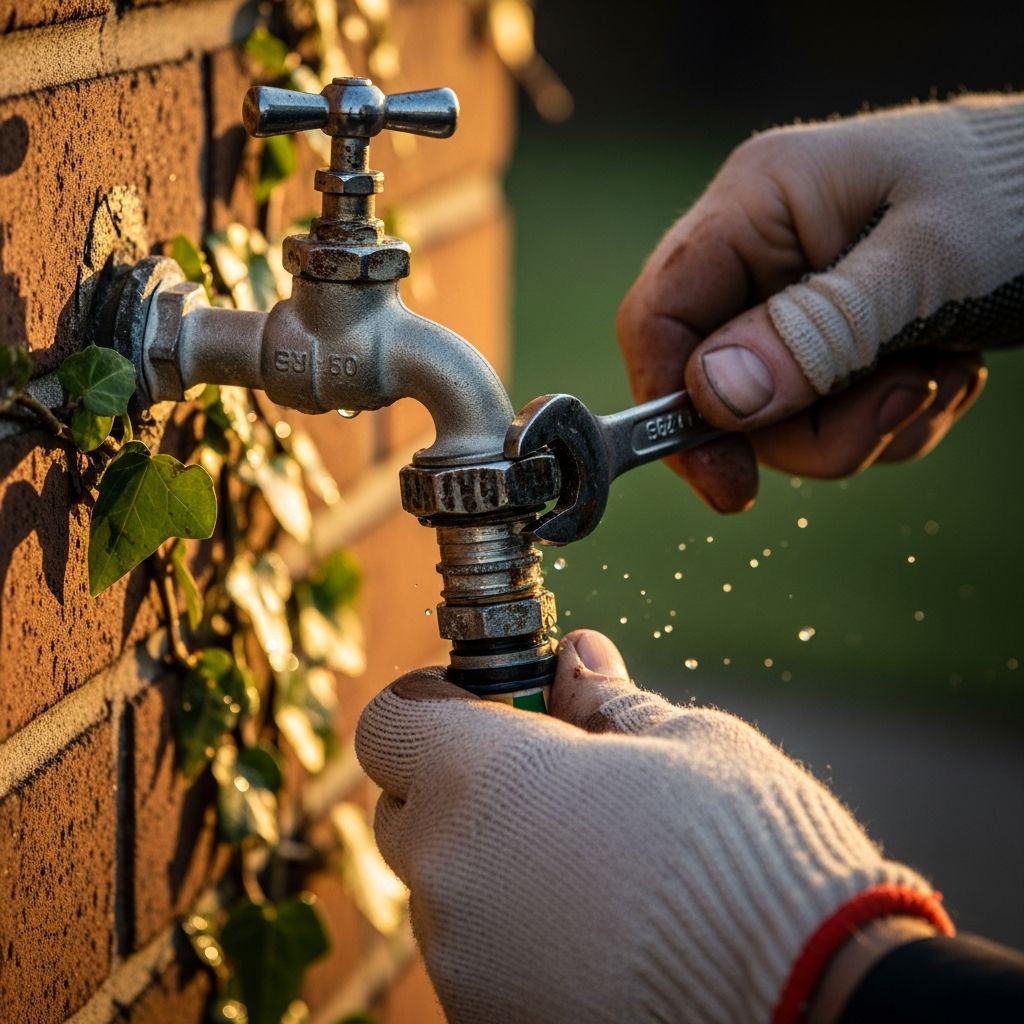
Garden hoses frequently become stubbornly attached to outdoor faucets due to corrosion, mineral buildup, or prolonged exposure to the elements. This common issue can halt watering tasks or seasonal storage efforts, but with the right approach, you can resolve it without professional help or damaging your plumbing system.
Understanding Why Hoses Get Stuck
Over time, the metal fittings on hoses and spigots react with water minerals, weather, and temperature changes, forming a tight bond. Aluminum connectors are especially prone to seizing, as noted in practical demonstrations where standard twisting fails. Corrosion accelerates in hard water areas, creating a fused connection that resists manual force.
Attempting to yank or twist with one tool often leads to stripped threads or stress on the pipe behind the wall, potentially causing leaks. Recognizing this helps you choose methods that protect your home’s infrastructure.
Essential Tools for Safe Removal
Gather these items before starting to ensure efficiency and safety:
- Penetrating lubricant (WD-40, PB Blaster, or CLR)
- Two pairs of pliers or channel locks (one for hose, one for spigot)
- Utility knife or hacksaw
- Teflon tape for resealing
- Replacement brass hose connector (if cutting required)
- Protective gloves and eyewear
These tools, highlighted in quick DIY videos, allow for controlled force without risk.
Step-by-Step Methods to Detach the Hose
Begin with the least invasive techniques and escalate as needed. Always turn off the water supply first.
Method 1: Lubricant and Dual-Grip Technique
Spray a generous amount of penetrating oil like WD-40 or PB Blaster around the joint where the hose meets the spigot. Let it soak for 10-15 minutes to break down rust and debris. Position one pair of channel locks or pliers firmly on the hose fitting and another on the spigot itself to hold it steady—this prevents torque from damaging internal pipes.
Turn the hose counterclockwise with steady pressure. If it budges slightly, apply more lubricant and repeat. This 10-second approach succeeds in most cases without further intervention.
Method 2: Heat Application for Stubborn Joints
For extra resistance, use a hairdryer or heat gun on low to warm the fitting for 2-3 minutes. Expansion from heat can loosen the seal alongside lubricant. Avoid open flames near plumbing to prevent material damage.
Method 3: Cutting the Fitting as a Last Resort
If twisting fails, carefully cut the hose connector away from the threads using a hacksaw or utility knife. Make an angled cut parallel to the spigot to avoid nicking it, then twist off the loosened piece with pliers. This method preserves the faucet while allowing hose salvage.
Once removed, trim the hose end cleanly, insert a new brass fitting, and secure it with a clamp. Wrap the spigot threads with Teflon tape before reconnecting for a leak-proof fit.
Comparing Removal Techniques
| Method | Tools Needed | Time Required | Success Rate | Risk Level |
|---|---|---|---|---|
| Lubricant + Pliers | Oil, 2 pliers | 10-20 min | High (80-90%) | Low |
| Heat + Lubricant | Heat source, oil, pliers | 15-30 min | Medium-High | Medium |
| Cutting | Hacksaw, new fitting | 20-40 min | Very High | Medium (if careful) |
This table summarizes options based on real-world applications from plumbing experts and video guides. Choose based on your situation.
Preventing Future Hose Seizures
Proactive habits extend hose life and avoid repeats. Disconnect hoses seasonally, especially before winter, to prevent freeze-thaw cycles from worsening corrosion.
- Store hoses coiled loosely in a dry shed.
- Flush lines annually to remove mineral deposits.
- Use quick-connect adapters for easy attachment.
- Apply silicone spray to threads after each use.
Upgrade to brass or stainless steel fittings, which resist seizing better than aluminum. Regular maintenance like this saves time and repair costs.
Safety Precautions During Removal
Wear gloves to protect against sharp edges and chemicals. Work in a well-ventilated area when using sprays. If the spigot is old or brass, avoid excessive force to prevent cracking. Test water pressure post-removal to check for hidden damage. For frozen or extremely corroded setups, consult a plumber to avoid pipe bursts.
Common Mistakes to Avoid
Using a single wrench risks pipe damage. Skipping lubricant leads to stripped threads. Cutting along threads instead of parallel damages the spigot. Rushing without soaking time prolongs the job. Always stabilize the faucet.
When to Call a Professional Plumber
If methods fail after multiple attempts, or if you notice leaks, unusual pressure, or wall damage, hire a licensed plumber. Services like leak detection prevent escalation. Costs are minimal compared to full replacements.
Frequently Asked Questions (FAQs)
What lubricant works best for a stuck hose?
PB Blaster or WD-40 penetrates rust effectively; let soak 10+ minutes.
Can I reuse the hose after cutting the fitting?
Yes, attach a new brass connector for reliable performance.
Why use two sets of pliers?
One holds the spigot steady to protect pipes behind the wall.
How often should I disconnect the hose?
At least seasonally to avoid corrosion buildup.
Is cutting the hose safe for the spigot?
Yes, if you cut away from threads carefully.
Advanced Tips for Long-Term Plumbing Care
Beyond hoses, inspect spigots for frost caps in winter. Install anti-siphon valves to meet plumbing codes and prevent backflow. For hard water regions, consider faucet aerators that reduce mineral accumulation. These steps enhance system durability.
Regular checks reveal issues early, like subtle leaks from overtightened fittings. Document your setup with photos for future reference.
References
- Easy DIY – Remove Hose Stuck on Spigot in 1 Minute — Heil Plumbing DMV. 2022-10-14. https://heilplumbingdmv.com/blog/plumbing/hose-stuck-on-spigot
- Garden Hose Stuck to Spigot? Here’s the Best Way to Remove It! — 1 Tom Plumber (YouTube). 2021-05-27. https://www.youtube.com/watch?v=1faCtwZiHec
- Hose stuck on your faucet? Loosen it in 4 steps! — WKMG News 6 ClickOrlando (YouTube). 2024-09-17. https://www.youtube.com/watch?v=AwAhXaCvAWc
Similar Articles



Read full bio of Sneha Tete