Fresh Greenhouse Ideas for a Lush Spring Oasis
Transform any backyard greenhouse into a bright, productive spring sanctuary with smart design, layout and style ideas.
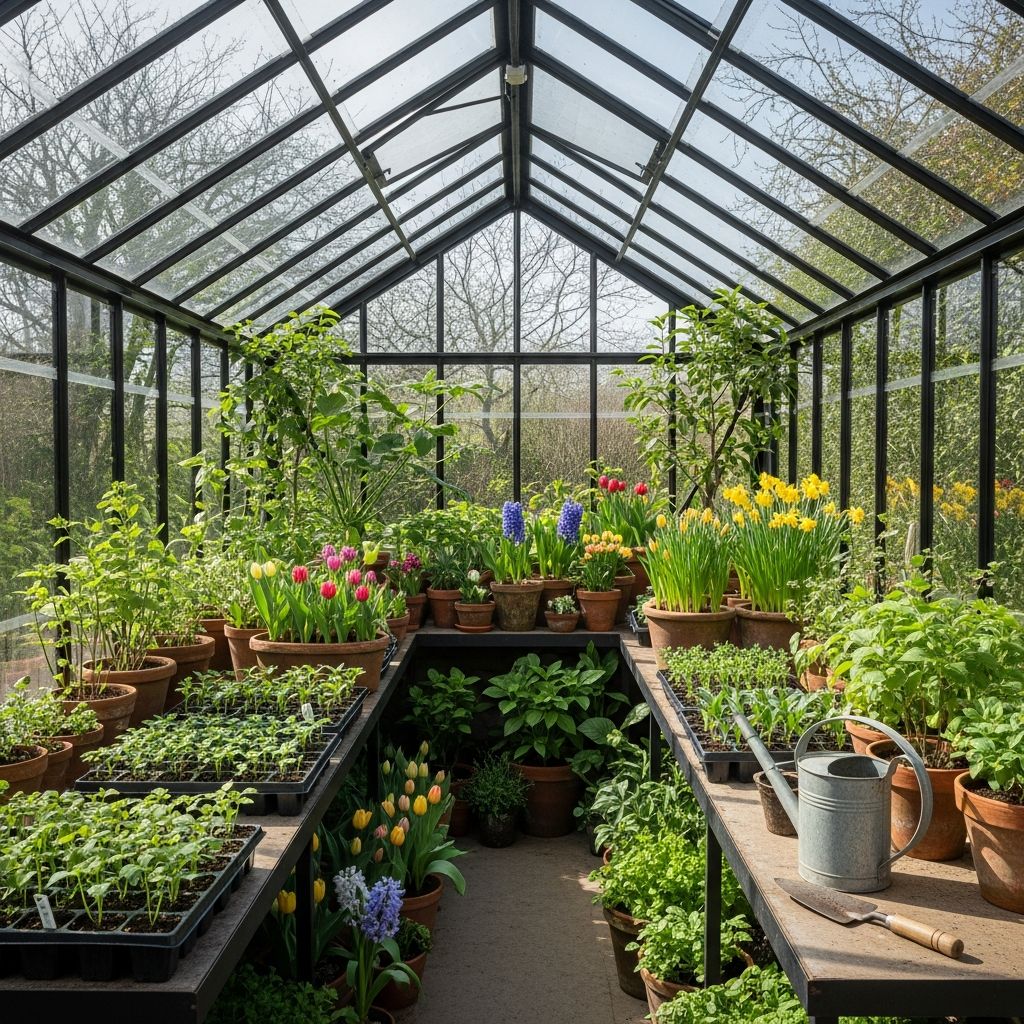
Spring is the perfect moment to rethink how a greenhouse looks, feels, and functions. Instead of treating it as a simple plant shelter, you can turn it into a bright, productive oasis that supports healthy growth and creates a space you actually enjoy spending time in. This guide shares practical, creative ideas for updating your greenhouse for spring, from layout and climate control to décor and planting plans.
Rethinking the Role of Your Greenhouse
A greenhouse can be much more than a place to stash seed trays. With a bit of planning, it can double as a mini conservatory, potting shed, outdoor dining nook, or wellness retreat. Before making changes, decide what role you want your structure to play in your garden and your daily routines.
- Define your main goal: food production, ornamental display, year-round growing, or a mix.
- Decide whether you want strictly functional space or room for a chair, table, or reading corner.
- Consider how many months of the year you’ll actively use the greenhouse and plan features accordingly.
Choosing a Greenhouse Style That Fits Your Space
The design of the structure has a big impact on how comfortable it is and how easy it is to work in. Even if you already own a greenhouse, you can echo some of these style ideas through paint, trim, and layout choices.
- Traditional freestanding houses: Great for larger yards and gardeners who want maximum flexibility in layout and plant variety.
- Lean-to or attached styles: Ideal for small lots, these use an existing wall for support and can share heat from the house or garage.
- Compact vertical designs: Tall, narrow structures or cabinet-style greenhouses suit balconies, patios, and tiny urban gardens.
- Decorative garden-room look: Add trim, color, and coordinated furniture to create a greenhouse that feels like a natural extension of your home.
Quick Style Comparison
| Style | Best For | Key Advantages | Potential Drawbacks |
|---|---|---|---|
| Freestanding | Medium–large yards | Flexible placement, light from all sides, strong visual focal point | Requires more space and often higher cost for foundations and utilities |
| Lean-to / Attached | Small lots, side yards, courtyards | Efficient use of space, can share heat from building, easy access | Light limited by wall, design options constrained by existing structure |
| Compact / Vertical | Balconies, patios, renters | Minimal footprint, movable, inexpensive, perfect for herbs and starts | Limited plant height and volume, less comfortable to work inside |
| Garden-room style | Entertaining, mixed use (plants + seating) | Beautiful year-round feature, blends décor with gardening | Less total growing space, furniture competes with benches and beds |
Maximizing Light and Heat for Early Spring
Spring weather can be unpredictable, and a successful greenhouse relies on capturing warmth on cold days and shedding heat when the sun suddenly intensifies. Focus on how light enters and moves through the structure, then plan upgrades that smooth out temperature swings.
- Place the longest wall to face south or southeast if possible, so plants receive consistent light throughout the day.
- Wash glazing (glass or polycarbonate) before spring; even a thin film of dust can reduce light penetration.
- Seal gaps and cracks around doors and vents to cut down on drafts during chilly nights.
Simple Spring Climate Control Upgrades
You do not always need an elaborate heating system to protect spring plants. Small, thoughtful changes can dramatically stabilize the greenhouse environment.
- Use water barrels or large containers painted dark to store solar heat during the day and release it at night.
- Hang removable shade cloth so it can be pulled over the roof during sudden warm spells.
- Install automatic vent openers that respond to temperature increases without electricity.
- Lay down rubber mats or gravel over cold concrete to help moderate temperature swings and provide safer footing.
Designing an Efficient Interior Layout
Inside the greenhouse, organization is just as important as structure and location. A thoughtful layout makes it easier to water, transplant, and harvest, while reducing the risk of pests and diseases that thrive in cluttered conditions.
- Plan at least one clear central pathway wide enough for a wheelbarrow or garden cart.
- Keep frequently used tools and supplies near the door for quick access.
- Separate tender seedlings from mature plants so different watering and light needs are easier to manage.
Zoning Your Greenhouse
Think of the interior as a set of zones rather than a single open room. Zoning allows you to grow more types of plants successfully in the same footprint.
- Propagation zone: Warm shelves or benches for seed trays, heat mats, and humidity domes.
- Production zone: Beds or large containers for tomatoes, cucumbers, peppers, or cut flowers.
- Storage and potting zone: A sturdy bench with bins for soil, pots, labels, and tools.
- Relaxation zone (optional): A foldable chair or small bistro set where space allows.
Smart Storage and Work Surfaces
Even a small greenhouse can feel spacious if storage is handled vertically and efficiently. The goal is to support your gardening tasks without overwhelming the space with clutter.
- Install wall-mounted shelves or pegboard for lightweight tools and spray bottles.
- Use stackable bins for potting mix, fertilizers, and amendments to keep them dry and organized.
- Add hooks under benches for hanging watering cans, baskets, and hand tools.
- Include at least one waterproof worktop where you can pot up plants comfortably at waist height.
Planting Ideas for a Productive Spring
Spring is the season when a greenhouse truly shines, allowing earlier harvests and more reliable germination. To make the most of the protected environment, choose crops that benefit the most from extra warmth and shelter.
- Start warm-season crops such as tomatoes, peppers, eggplants, basil, and cucumbers several weeks earlier than your outdoor planting date.
- Grow fast, cool-tolerant greens like lettuce, spinach, Asian greens, and arugula for salad harvests while the outdoor garden is still waking up.
- Use containers for herbs such as parsley, chives, thyme, and cilantro so they can be moved or rotated as light patterns change.
Example Spring Crop Plan
| Zone | Typical Crops | Benefits in Spring |
|---|---|---|
| Propagation shelves | Tomatoes, peppers, annual flowers | Stronger transplants, earlier blooms and harvests |
| Raised beds | Leafy greens, radishes, baby carrots | Quick crops that fill gaps before summer plants take over |
| Containers near entrance | Herbs, strawberries, dwarf citrus (in large pots) | Easy access for daily use in the kitchen and attractive focal points |
| Hanging space and trellises | Vining peas, cherry tomatoes, cucumbers | Better air circulation and use of vertical space, cleaner fruit |
Vertical Growing and Hanging Displays
When floor space is limited, move upward. Vertical elements increase planting capacity and add visual interest, especially near the entry and on end walls that otherwise stay underused.
- Install sturdy trellises along side walls for peas, pole beans, or vining flowers like sweet peas and nasturtiums.
- Use chains or metal rods to suspend hanging baskets of strawberries, trailing herbs, or ferns.
- Add modular vertical planters or pocket panels for small leafy greens and quick-cut herbs.
Watering and Humidity Made Easier
Spring seedlings are sensitive to over- and under-watering, and greenhouses naturally trap moisture. A well-thought-out watering setup protects young plants while helping manage humidity levels.
- Install a simple drip or soaker system connected to a nearby hose spigot or rain barrel.
- Keep a lightweight watering can for spot-watering trays and hard-to-reach corners.
- Use capillary mats under seed trays to deliver consistent moisture from below.
- Ventilate regularly to prevent fungal problems, especially after heavy watering sessions.
Comfort, Aesthetics, and Personal Style
A greenhouse works best when it is pleasant to be in, not just productive. Small touches of décor and comfort encourage more frequent visits, which in turn lead to healthier plants and a more satisfying gardening routine.
- Introduce a small rug or outdoor mat near the seating area to visually anchor the space.
- Use string lights or solar lanterns to extend usable time into the early evening.
- Choose a simple color palette for pots, shelves, and tools so the plants remain the main visual focus.
- Add personal elements such as a chalkboard for notes, a favorite piece of art rated for outdoor use, or a small wind chime outside the door.
Eco-Friendly and Budget-Conscious Upgrades
Creating a spring-ready greenhouse does not have to be expensive. Many effective improvements can be made with reclaimed materials and simple tools, while also reducing environmental impact.
- Repurpose old windows, doors, or shelving boards where structural rules and safety allow.
- Capture roof runoff in barrels and use it for irrigation, provided local regulations permit.
- Choose durable, reusable trays and pots instead of single-use plastic cells.
- Insulate lower wall sections with removable panels made from recycled materials during the shoulder seasons.
Seasonal Maintenance Checklist for Spring
Before filling your greenhouse with seedlings and new plants, take a day to refresh the structure. A clean, well-maintained space lowers pest and disease pressure and helps everything run more smoothly through the busy growing months.
- Clear out old plant debris, used soil, and broken pots.
- Disinfect benches, trays, and tools with a mild cleaning solution.
- Inspect glazing, hinges, vents, and seals for damage and repair as needed.
- Check that fans, heaters, and automatic vents work properly before heavy use.
Frequently Asked Questions
How warm should a spring greenhouse be?
Most common vegetables and flowers appreciate daytime temperatures between 18–24°C (65–75°F) and nighttime temperatures that stay above freezing. Exact numbers depend on the crops you grow, so always check the preferred range for each plant and adjust ventilation, shading, and supplemental heat accordingly.
Do I need a heater in my greenhouse for spring?
In mild climates, a combination of good insulation, water-filled thermal mass, and row covers may be enough to protect spring crops. In colder regions or when growing heat-loving plants very early, a small, thermostatically controlled heater can provide valuable insurance against unexpected frosts.
What is the easiest crop to start in a spring greenhouse?
Lettuce, spinach, and many herbs are forgiving choices because they germinate readily and tolerate cooler temperatures. These crops let you practice managing light, moisture, and ventilation without the higher risk and longer timeline associated with heat-loving crops such as tomatoes or peppers.
How do I prevent pests and diseases inside a greenhouse?
Start with cleanliness: remove debris, old soil, and weeds regularly so pests have fewer hiding places. Combine this with good airflow, proper spacing between plants, and routine inspection of leaves and stems, and deal with issues promptly using targeted biological or mechanical controls before problems spread.
Can a small greenhouse really make a difference?
Even a compact structure can extend your season by several weeks and create ideal conditions for sensitive seedlings. By using vertical growing options, careful crop selection, and thoughtful organization, a small greenhouse often produces more usable food and flowers than a much larger, poorly arranged space.
With these ideas in mind, any greenhouse—large or small, new or well-loved—can become a brighter, more productive, and more enjoyable place to garden each spring. By balancing function, comfort, and personal style, you create a space that nurtures both plants and the people who care for them.
Similar Articles







Read full bio of Sneha Tete