Furnace Not Working: Simple Fixes You Can Try
Troubleshoot your furnace with these easy DIY fixes before calling a professional.
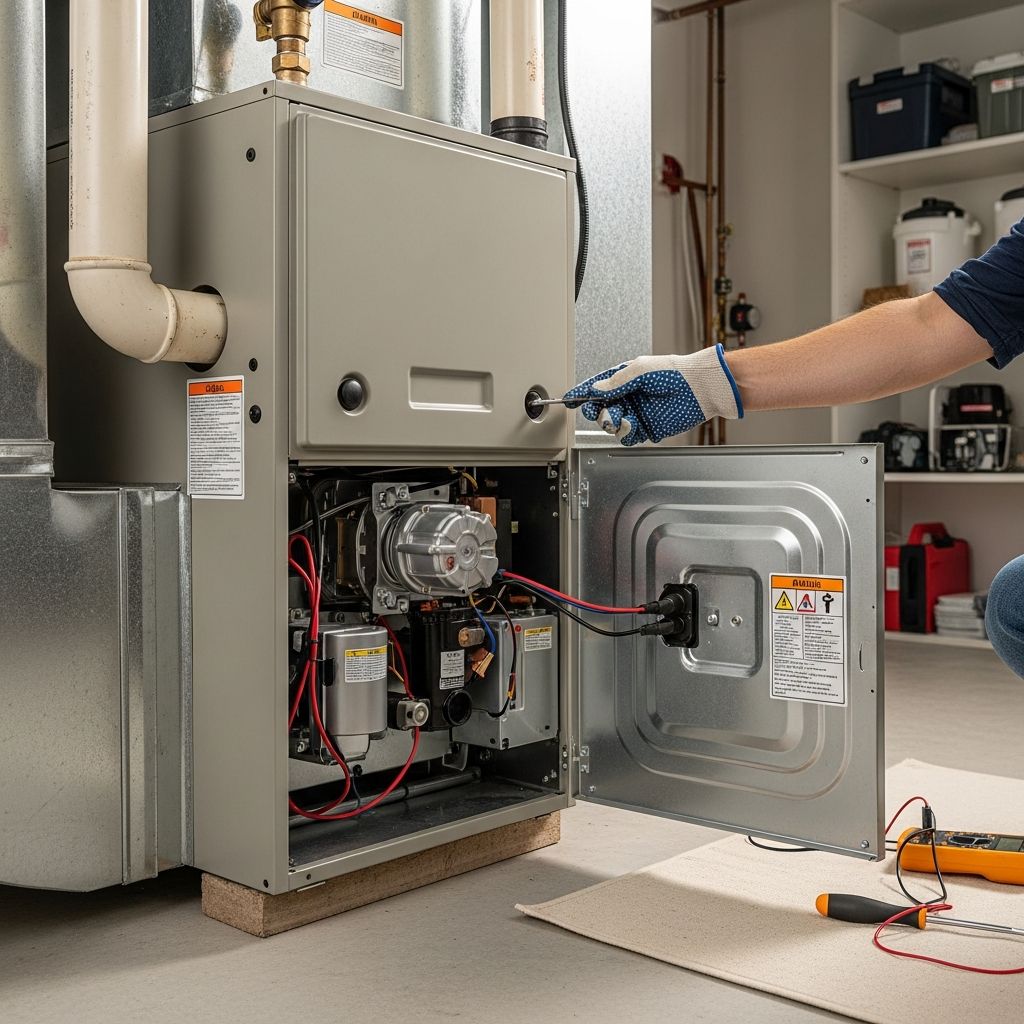
When your furnace stops working, especially during the cold months, it can be stressful and uncomfortable. However, before you call an expensive HVAC technician, there are several simple troubleshooting steps you can take to potentially fix the problem yourself. Many common furnace issues can be resolved with basic maintenance and minor adjustments. This guide will walk you through the most frequent furnace problems and their solutions.
Check Your Thermostat Settings
The first and most common reason a furnace isn’t working is often something simple: incorrect thermostat settings. Many homeowners don’t realize they’ve accidentally adjusted their thermostat or switched it to an incompatible mode. Before assuming your furnace is broken, take a few minutes to verify your thermostat configuration.
Start by checking that your thermostat is set to “heat” mode rather than “cool,” “auto,” or “off.” If it’s set to any other mode, your furnace won’t activate when temperatures drop. Additionally, ensure the temperature setting on your thermostat is higher than the current room temperature. Your furnace will only turn on if it detects that the indoor temperature is below your set point.
If you have a programmable or smart thermostat, review your schedule to ensure it hasn’t been programmed to keep temperatures low during times when you expect heating. Sometimes family members or previous settings can interfere with normal operation. For battery-powered thermostats, low batteries can also cause display and functionality issues, so consider replacing them with fresh batteries.
Inspect and Replace Your Air Filter
A dirty or clogged air filter is one of the most common causes of furnace problems. When your furnace filter becomes too dirty, it restricts airflow and can cause your system to overheat and shut down as a safety measure. Checking and replacing your filter is one of the simplest maintenance tasks you can perform.
Typically, furnace filters should be replaced every one to three months, depending on factors like household pets, allergies, and air quality. To inspect your filter, locate your furnace’s filter compartment, usually found where the return air ductwork connects to the furnace unit. Slide out the existing filter and hold it up to a light source. If you can’t see light through the filter, it’s definitely time for a replacement.
When purchasing a replacement filter, note the size printed on your current filter’s frame (commonly 16x25x1, 20x25x1, or similar dimensions). Bring this information to your local hardware or home improvement store. Most filters cost between $5 and $20 depending on type and quality. Installing a new filter takes just minutes: slide out the old filter, note the airflow direction arrow on the frame, and insert the new filter in the same direction.
Why Air Filter Matters
- Improves furnace efficiency and performance
- Extends the lifespan of your HVAC system
- Enhances indoor air quality
- Reduces energy costs
- Prevents furnace shutdowns due to overheating
Check Your Furnace’s Pilot Light or Ignition System
If your furnace isn’t producing heat, the issue might be with the pilot light (in older furnaces) or the electronic ignition system (in newer models). Understanding how your specific furnace ignites gas is essential for troubleshooting.
For furnaces with a pilot light, you’ll need to locate the pilot light assembly, typically found near the bottom of your furnace unit. A healthy pilot light should display a steady blue flame. If the pilot light has gone out, you may notice no flame at all or an orange or yellow flame instead of blue. Many furnaces have a reset button that you can press to reignite the pilot light. However, if your pilot light keeps going out repeatedly, this could indicate a more serious issue requiring professional service.
Newer furnaces use electronic ignition systems that automatically ignite the gas burners. If your furnace has electronic ignition, look for error codes on your furnace’s display panel. These codes can help you identify specific problems. Consult your furnace’s manual for the meaning of these codes, or search for your furnace model online to find code interpretations.
Verify Your Gas Supply
A common oversight when troubleshooting a non-working furnace is forgetting to check whether the gas supply is actually reaching your furnace. Without gas, your furnace cannot produce heat, no matter what else is functioning properly.
Locate the gas shut-off valve, typically found on the gas line leading to your furnace. This valve should be in the “on” position, which is parallel to the gas line. If the valve is perpendicular to the line, it’s in the “off” position, and your gas supply is blocked. Simply turn the valve so it’s parallel to the line to restore gas flow. This simple fix has solved many “broken” furnace situations.
Additionally, check that you’re not experiencing a gas outage in your area. Contact your local gas company if you suspect an outage, or ask neighbors if they’re experiencing similar issues. If you ever smell gas or suspect a gas leak, do not attempt to locate or fix it yourself. Exit your home immediately and call your gas company’s emergency line.
Examine Circuit Breakers and Electrical Connections
Your furnace requires electricity to operate its blower motor, controls, and ignition system. If your furnace isn’t working, an electrical issue might be the culprit. Start by checking your home’s circuit breaker panel to see if the breaker controlling your furnace has tripped.
Locate your furnace’s circuit breaker (usually labeled “furnace,” “HVAC,” or similar) and check whether it’s in the “on” or “off” position. If it’s switched to “off” or in a middle position, flip it back to “on.” If the breaker immediately trips again, this indicates an electrical fault that requires professional attention.
You should also verify that your furnace has power by checking for indicator lights on the furnace itself. Most modern furnaces have a small light that indicates power is being supplied. If there’s no indicator light, make sure the furnace isn’t plugged into an outlet controlled by a wall switch that’s currently turned off.
Ensure All Access Doors and Panels Are Closed
Many furnaces have safety switches on access panels and doors. If any of these panels are left open or not properly secured, the furnace may refuse to operate as a safety precaution. This is an intentional design feature to prevent injuries from moving parts and hot surfaces.
Inspect all access panels on your furnace unit and ensure they’re completely closed and latched. Pay special attention to the blower compartment, filter access panel, and combustion chamber door. If you’ve recently replaced your filter or had any maintenance done, confirm that all panels were properly closed afterward.
Listen for Error Codes and Unusual Noises
Modern furnaces often communicate problems through audible error codes or LED indicators. Learning to interpret these signals can provide valuable diagnostic information. Most furnaces use a series of beeps or flashing lights to indicate specific issues.
Consult your furnace’s manual to decode what any beeping or flashing patterns mean. You can usually find your furnace model number on a label on the unit itself, often on the cabinet side or inside the door. Search for your model number online followed by “error codes” to find a guide explaining what each signal means.
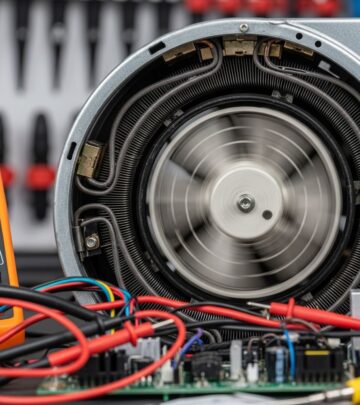
Additionally, listen for unusual sounds when your furnace attempts to start. Loud banging, squealing, or grinding noises can indicate problems with the blower motor, belt, or other mechanical components. While some noise is normal during startup, persistent unusual sounds warrant professional inspection.
Check Ductwork for Blockages
Sometimes the problem isn’t with the furnace itself but with the distribution system. If your furnace is running but you’re not getting heat throughout your home, check your ductwork for blockages or obstructions.
Inspect visible sections of ductwork, both supply (hot air going out) and return (cool air coming back). Look for dents, disconnected sections, or obvious blockages. Check that dampers in your ductwork are in the open position and not accidentally closed. Supply vents throughout your home should also be open and unobstructed by furniture, curtains, or other items.
Clear Your Furnace Vents and Intake
If your furnace uses a fresh air intake vent that runs outside your home, verify that this vent isn’t blocked by snow, ice, leaves, or other debris. A blocked intake vent can prevent your furnace from operating properly or safely. Step outside and inspect both the intake and exhaust vents, especially after heavy snow.
These vents typically extend through your roof or exterior wall. Ensure there’s no snow piled against them and that they’re free from leaves, bird nests, or other obstructions. Clearing these vents takes just a few minutes and can resolve heating issues instantly.
Verify Humidifier Settings (If Applicable)
If your furnace includes an integrated humidifier, verify that the humidifier isn’t set too high. Some furnace models include a humidistat control that can affect furnace operation. Check that humidity settings aren’t interfering with normal heating cycles.
When to Call a Professional
While many furnace problems can be solved with these simple troubleshooting steps, some issues require professional expertise. Call a licensed HVAC technician if:
- Your pilot light continues to go out despite your efforts to relight it
- You smell gas or suspect a gas leak
- You notice cracks in your furnace’s heat exchanger
- Your circuit breaker continues to trip after you reset it
- You hear grinding, squealing, or other unusual mechanical noises
- Your furnace turns on and off repeatedly in short cycles
- After trying these fixes, your furnace still doesn’t work
Preventive Maintenance Tips
To prevent future furnace problems and keep your system running efficiently, follow these preventive maintenance recommendations:
- Replace air filters every 1-3 months depending on usage and household conditions
- Schedule professional furnace maintenance annually before the heating season begins
- Keep the area around your furnace clean and free from clutter
- Ensure furnace vents remain clear of snow, ice, and debris year-round
- Test your thermostat regularly to ensure it’s functioning properly
- Monitor your heating bills for significant increases that might indicate efficiency problems
Frequently Asked Questions
Q: How often should I replace my furnace filter?
A: Most furnace filters should be replaced every 1-3 months. If you have pets, allergies, or live in a dusty area, you may need to replace filters more frequently. Check your filter monthly and replace it when it appears visibly dirty.
Q: What should a pilot light flame look like?
A: A healthy pilot light flame should be steady and blue in color. If the flame is orange, yellow, or flickering, it may indicate a problem requiring professional service.
Q: Can I reset my furnace myself?
A: Yes, many furnaces have a reset button that you can press. This button is typically red or black and located on the furnace unit. Press and hold it for a few seconds, then release. If the furnace doesn’t restart, consult your manual or call a professional.
Q: How long does a furnace typically last?
A: Most furnaces last between 15-20 years with proper maintenance. If your furnace is approaching this age and experiencing problems, replacement may be more cost-effective than repair.
Q: Should I attempt to repair my furnace myself?
A: Simple maintenance tasks like filter replacement are safe for homeowners. However, repairs involving gas lines, electrical components, or heat exchangers should only be performed by licensed professionals for safety reasons.
Q: What’s the difference between furnace maintenance and repair?
A: Maintenance includes regular cleaning, filter changes, and inspections to keep your furnace running efficiently. Repair involves fixing specific problems or broken components. Regular maintenance can prevent many repairs.
References
- Furnace Filter Change Guide — U.S. Department of Energy. https://www.energy.gov/energysaver/home-heating-and-cooling
- Home Heating System Maintenance — American Society of Heating, Refrigerating and Air-Conditioning Engineers (ASHRAE). https://www.ashrae.org
- Gas Safety for Homeowners — National Fire Protection Association (NFPA). https://www.nfpa.org/Public-Education/Fire-causes-and-risks/Safety-equipment/Gas-safety
- HVAC System Troubleshooting Guide — American Home Shield. Updated 2024. https://www.ahs.com
- Furnace Lifespan and Maintenance — HVAC Excellence. https://www.hvacexcellence.org
Similar Articles


Read full bio of Sneha Tete