Garage Door Lubrication: Expert Guide For Quiet Doors
Master garage door lubrication: essential steps, best products, and maintenance tips for smooth, quiet operation and extended lifespan.
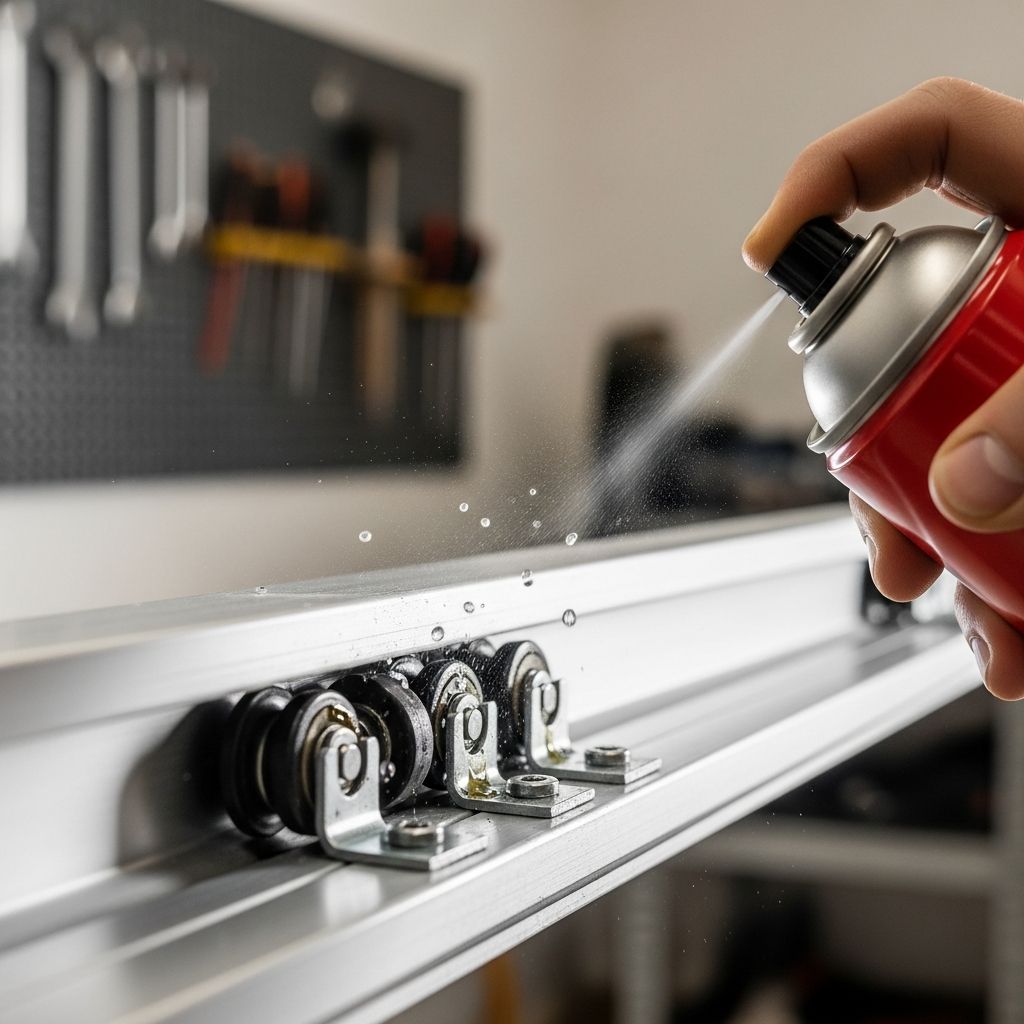
Garage Door Lubrication Guide: Keep Your Door Running Smoothly
Garage doors endure constant use, facing weather exposure and mechanical stress that lead to friction, noise, and wear. Regular lubrication reduces these issues, promoting quiet operation and prolonging component life. This guide details preparation, product selection, application techniques, and schedules for different door types.
Why Lubricate Your Garage Door Regularly
Lubrication minimizes friction on moving parts like rollers, hinges, and springs, preventing squeaks, grinding, and premature failure. Without it, metal-on-metal contact accelerates wear, potentially causing breakdowns that require professional repairs costing hundreds of dollars. In harsh climates, such as dusty or humid areas, unlubricated doors attract grime, worsening performance. Industry experts recommend maintenance every 3-6 months based on usage and environment. Proper care can extend a garage door’s lifespan by years, saving money and enhancing home security.
Selecting the Ideal Lubricants
Choose products formulated for garage doors to avoid attracting dirt. Silicone-based sprays and white lithium grease excel by providing long-lasting protection without residue buildup.
- Silicone spray: Ideal for hinges, rollers, and bearings; penetrates well and repels moisture.
- White lithium grease: Thick formula suits springs, tracks (select areas), and heavy-duty parts; withstands high pressure.
- Teflon chain-saver: Perfect for opener chains or belts, reducing noise and wear.
Avoid WD-40, as it acts as a cleaner rather than a lubricant, drawing dust and evaporating quickly. For specialized needs, penetrating oils like professional-grade MX3 work on rusty components but pair with grease for longevity. Always opt for sprays with precision nozzles for controlled application.
| Lubricant Type | Best For | Pros | Cons |
|---|---|---|---|
| Silicone Spray | Hinges, Rollers, Pulleys | Dries clean, moisture-resistant | May need reapplication in extreme heat |
| White Lithium Grease | Springs, Bearings, Chains | High durability, stays in place | Can be messy if over-applied |
| Teflon Lubricant | Opener Drives | Quiet operation, low residue | Not for metal-to-metal contact |
Preparation Steps Before Lubricating
Thorough cleaning ensures lubricants adhere properly and perform effectively. Skipping this leads to gummed-up parts.
- Disconnect power: Unplug the opener and secure the door in the closed position with clamps to prevent accidental activation.
- Inspect components: Check for balance by lifting the door halfway; it should stay put. Tighten loose bolts, nuts, and screws.
- Clean tracks and rollers: Wipe tracks with a damp cloth—no lubricant here, as it causes slippage. Use brake cleaner on grimy rollers, then dry fully.
- Remove debris from hinges and springs: Brush away dirt; for rust, apply a penetrating cleaner first.
Test safety features like auto-reverse by placing a 2×4 under the door—it should rebound upon contact.
Detailed Lubrication Process for Key Components
Apply sparingly from top to bottom to avoid drips contaminating lower areas. Use cardboard behind spray zones for protection.
Rollers and Bearings
Spray bearings where wheels meet axles, wiggling rollers to distribute. Skip wheel treads to maintain track grip. Lubricated rollers spin freely, reducing opener strain.
Hinges and Pivot Points
Target the metal curls and pins; one spritz per hinge suffices. Manually cycle the door 5-10 times to spread evenly, wiping excess. This quiets panel flexing during operation.
Springs: Torsion and Extension
Lightly coat coils with lithium grease or silicone, allowing penetration without soaking. Over-lubrication attracts dust; work from a safe distance. Springs bear the door’s weight—lubrication eases tension.
Opener Mechanisms
For chain drives, apply lubricant along the entire length. Screw drives need rail lubrication; belt drives require minimal intervention. Pulleys and bearings get a quick spray for friction reduction.
Door-Specific Adjustments
- Sectional doors: Focus on multi-panel hinges and vertical lift tracks.
- Roller doors: Lubricate axle ends and drum bearings; silicone on side frames.
- Tilt doors: Grease pivot arms and counterbalance springs lightly.
After application, operate the door manually several times, then reconnect power and test cycles. Listen for smooth, quiet movement; reapply to noisy spots.
Optimal Maintenance Schedules
Tailor frequency to usage and conditions:
- Heavy use (multiple daily cycles): Every 3 months.
- Average residential: Biannually, or after seasonal changes.
- Harsh environments (coastal, dusty): Quarterly, emphasizing rust protection.
Signs needing immediate lubrication: squeaking, slow response, grinding, or visible rust. Annual professional inspections complement DIY efforts for safety.
Frequent Mistakes and Prevention Strategies
Common errors shorten component life:
- Over-lubricating: Creates sticky residue; use rags to wipe excess.
- Lubricating tracks: Causes derailment; clean only.
- Wrong products: Oil-based attract grime; stick to garage-specific formulas.
- Ignoring safety: Always disconnect power to avoid injury.
Pro tip: Maintain a log of service dates and observations to predict issues early.
Advanced Tips for Longevity
Beyond basics, consider:
- Weatherproofing locks with silicone for easy operation.
- Seasonal prep: Extra coats before winter to combat ice buildup.
- Upgrading worn rollers to nylon for less frequent lubing.
For commercial or high-wind areas, consult standards from bodies like the Door & Access Systems Manufacturers Association for reinforced practices.
Frequently Asked Questions (FAQs)
What is the best lubricant for garage door springs?
White lithium grease or silicone spray penetrates and protects without dripping, applied lightly to avoid excess buildup.
How often should I lubricate my garage door opener chain?
Every 3-6 months, or when noisy; use Teflon chain-saver for optimal results.
Can I use WD-40 on my garage door?
No, it cleans but doesn’t lubricate long-term and attracts dirt; choose garage door-specific products instead.
Why is my garage door still noisy after lubrication?
Clean components first, ensure balance, and reapply to specific squeaky areas; persistent noise may indicate wear needing pro service.
Is it safe to lubricate garage door springs myself?
Yes, with power off and light application, but avoid adjustments—call experts for tension issues.
References
- How to Lubricate a Garage Door: Complete Guide — CRC Industries. 2023-2025. https://www.crcindustries.com/blog/how-to-lubricate-a-garage-door/
- How to Properly Lubricate Garage Door Components — Clopay Door Company. 2024. https://www.clopaydoor.com/residential/buyingguide/how-to-properly-lubricate-garage-door-components
- The Easy Garage Door Maintenance Guide — INOX MX. 2024. https://www.inoxmx.com/the-easy-garage-door-maintenance-guide/
- Guide to Garage Door Lubrication — Olympic Garage Door. 2023. https://www.olympicgaragedoor.com/blog/garage-door-lubrication/
- Garage Door General Maintenance — First UDT. 2013-04 (authoritative standard, still referenced). https://firstudt.com/products/pdf/GarageDoorGeneralMaintenance04-2013.pdf
Similar Articles








Read full bio of medha deb