Garage Makeover Masterplan: Turn Chaos into a Smart, Organized Space
A step-by-step strategy to declutter, store, and actually use your garage again.
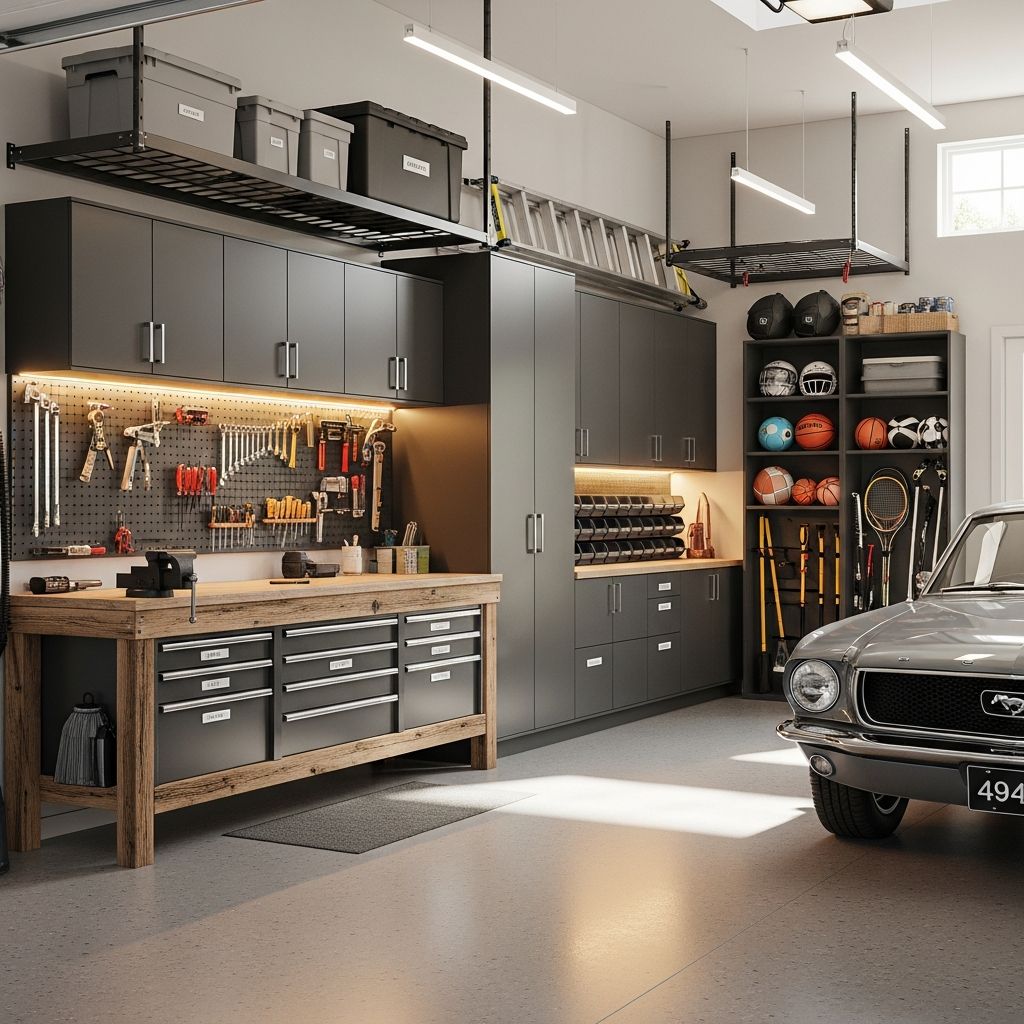
Your garage can either be a functional extension of your home or a stressful dumping ground where belongings go to disappear. With a thoughtful plan and some simple systems, you can reclaim that square footage and turn it into one of the hardest-working spaces in your house.
Why Your Garage Matters More Than You Think
Garages do much more than store cars. They often double as workshops, seasonal storage, sports equipment lockers, and entryways into the home. When they are disorganized, finding anything becomes frustrating and even unsafe, especially when heavy tools or chemicals are involved. A well-planned garage makeover boosts daily convenience, protects your belongings, and can even add resale value.
- Improved safety by keeping tools, chemicals, and trip hazards under control.
- Better use of square footage you already own instead of paying for off-site storage.
- A smoother daily routine when you can quickly grab sports gear, tools, or seasonal items.
Step 1: Set Your Garage Goals Before You Touch a Box
Before dragging everything into the driveway, get clear about how you want the garage to function. Different households use the same space for very different priorities, so your plan should match your lifestyle rather than a generic checklist.
Decide How You Want to Use the Space
Make a short list of your top priorities for the garage. Be realistic about what can fit comfortably so you do not end up with a crowded, unsafe environment.
- Parking: Will the space hold one car, two cars, or none at all?
- Activities: Do you need a hobby zone, workshop, home gym, or mudroom-style entry?
- Storage: Which categories are must-keep—yard tools, holiday decor, camping gear, kids’ items, bulk pantry storage?
Once you define your goals, decisions about what to keep, where to store it, and what to buy become much easier.
Measure Before You Plan
Basic measurements help you avoid costly mistakes and ensure everything fits comfortably. It is especially important if you plan to park vehicles or install large shelving units.
- Measure wall lengths, ceiling height, door openings, and the depth needed for vehicles.
- Note obstacles such as electrical panels, water heaters, windows, and steps.
- Leave clearance for walking paths, car doors, and large items like lawn mowers.
Step 2: Declutter with a Clear System
A true overhaul begins with a full clear-out. This step feels messy in the moment, but it is the fastest way to see what you own and make smart choices about what stays.
Work in Manageable Zones
Instead of emptying the entire garage at once, divide the space into sections and tackle them one at a time. This prevents burnout and lets you finish each area completely before moving on.
- Start with one wall or corner and pull everything into the driveway or yard.
- Sort quickly into obvious piles: keep, donate/sell, recycle, and trash.
- Avoid creating a new “maybe” pile; decide within a few minutes for each item.
Use Practical Decluttering Rules
Garages often hide forgotten or broken items that take up valuable real estate. A few simple rules can speed up your decision-making.
- If it is broken and you have not fixed it in a year, let it go.
- If you have duplicates, keep the best one and donate or sell the rest.
- If it belongs somewhere else in the house, move it to its proper room.
- If you would not pay to move it to a new home, it is probably not worth keeping.
Step 3: Group and Label Your Belongings
Once you have decided what stays, the next step is to group like with like. Categories are the foundation of an organized garage because they determine where each item will live and which storage solution fits best.
Create Logical Categories
Group belongings based on how you use them, not where they happened to land. This makes retrieval automatic because every category has a clear, designated home.
- Home and auto maintenance: tools, hardware, car care products.
- Outdoor and yard: lawn equipment, gardening tools, soil, fertilizer.
- Sports and recreation: balls, bikes, camping gear, beach items.
- Seasonal and decor: holiday decorations, seasonal lights, off-season items.
- Household overflow: bulk paper goods, paint, rarely used household supplies.
Pre-Label Bins and Boxes
As you build categories, place items into temporary boxes or bins and label them. This makes the next phase—space planning and storage selection—faster and more accurate.
- Use painter’s tape and a marker for temporary labels during planning.
- Write large, simple category names like “Camping” or “Auto Supplies.”
- Keep small parts in clear containers so you see what is inside at a glance.
Step 4: Design Smart Activity Zones
Once categories are defined, map them onto specific areas of the garage. Think in terms of “zones”—dedicated mini-areas designed for a certain function, just like departments in a store.
Common Garage Zones
Choose only the zones that truly fit your space and goals. Some homes will use all of these, while others will only need a select few.
| Zone | Typical Items | Best Location |
|---|---|---|
| Entry / Drop Zone | Shoes, bags, everyday coats, pet leashes | Near the door leading into the house |
| Tool & DIY Area | Hand tools, power tools, hardware, workbench | Along a solid wall with outlets and good lighting |
| Sports & Kids | Balls, bats, bikes, helmets, outdoor toys | Near the garage door for quick grab-and-go access |
| Yard & Garden | Rakes, shovels, mower, trimmer, soil, fertilizer | Close to the exterior door or where you exit to the yard |
| Long-Term Storage | Holiday decor, keepsakes, rarely used gear | High shelves, overhead racks, or back corners |
Plan for Safety and Traffic Flow
Zones should not just look tidy; they must also allow safe, smooth movement. Keep trip hazards and hazardous materials in mind when deciding where each category will live.
- Store heavy items low so they are easy to lift without strain.
- Keep chemicals and sharp tools locked or high if children use the garage.
- Leave a clear walking path from the driveway to all entry doors.
Step 5: Choose the Right Storage Systems
The best storage layout uses the full height of the walls, keeps the floor as clear as possible, and fits your budget. You do not need expensive built-ins to create a highly functional system, but you do need the right mix of shelves, hooks, and containers.
Wall, Ceiling, and Floor: What Belongs Where
Think vertically. The more you can store on walls and ceilings, the more room you free up on the floor for vehicles and safe movement.
- Wall storage: ideal for tools, sports gear, garden equipment, and frequently used items.
- Ceiling storage: best for seasonal decor, camping gear, and other light but bulky items in bins.
- Floor storage: reserve for very heavy items, large machines, and items with wheels.
Popular Storage Options and When to Use Them
Each storage type solves a different problem. Mix and match to suit your categories and layout.
- Freestanding shelving units: Flexible, easy to reconfigure, great for renters and budget makeovers.
- Wall-mounted shelves: Free more floor space and can be customized for height and length.
- Pegboards: Excellent for hand tools and small items that benefit from being visible and easy to grab.
- Track or rail systems: Designed for heavier gear like bikes, ladders, and large yard tools with customizable hooks and brackets.
- Overhead racks: Ideal for plastic storage totes filled with holiday decor, camping gear, or rarely used items.
- Cabinets with doors: Good for chemicals, paints, or items you want visually hidden or kept away from kids.
Step 6: Containers, Labels, and Visibility
After the big pieces are in place, it is time to refine the small-item storage. Containers and labels lock in your system and prevent slow sliding back into chaos.
Pick Containers That Match the Contents
One size does not fit all. Match the container type to how often you use the items and how sensitive they are to dust and moisture.
- Use clear plastic bins for items you need to identify quickly, like holiday decor or kids’ gear.
- Choose lidded, stackable bins for long-term storage to protect from dust and pests.
- Opt for open baskets or bins for items you grab often, such as sports balls or gardening gloves.
- Use small parts organizers or drawer units for screws, nails, and tiny hardware.
Label Everything Clearly
Labels tell every family member where things live and where they should return. Clear labeling is one of the simplest ways to keep your organizational system from falling apart over time.
- Use large, easy-to-read labels on bin fronts, shelf edges, and cabinet doors.
- Label by category and subcategory when helpful, such as “Hardware – Anchors & Screws.”
- Consider color-coding labels or bins for different zones—green for yard, blue for sports, red for seasonal.
Step 7: Make It Safe, Clean, and Durable
A truly successful garage makeover includes safety and upkeep. Simple upgrades help keep the space pleasant to use and protect your belongings from damage.
Address Safety First
Many hazardous materials and heavy tools live in the garage. A few basic practices significantly reduce risk.
- Store chemicals, fuels, and paints in a cool, ventilated area away from direct sunlight or flames.
- Use locking cabinets or high shelves for anything unsafe for children or pets.
- Secure heavy shelving and tall cabinets to the wall to prevent tipping.
- Mount a fire extinguisher near the exit door and keep it unobstructed.
Keep the Space Clean and Comfortable
Cleaning during the makeover and adding small comfort upgrades makes the garage feel like a usable room instead of a storage cave.
- Sweep or blow out dust and debris, then spot-clean stains if needed.
- Consider simple floor protection like mats or sealants to resist stains and make cleaning easier.
- Add adequate lighting over work areas and general walkways.
- Use wall-mounted fans or ventilation if you work with paints, glues, or power tools.
Step 8: Create a Maintenance Routine That Actually Sticks
Even the best garage makeover will not last without simple habits. Build maintenance into your routine so the space remains functional instead of becoming a once-a-year cleanup project.
Quick Weekly and Seasonal Tasks
Short, frequent touch-ups are easier than massive cleanouts. Think in ten-minute blocks instead of all-day events.
- Once a week, return stray items to their zones and put tools back on hooks or in drawers.
- Once a month, do a quick sweep of the floor and wipe surfaces that collect dust.
- Each season, review one major category such as sports gear or yard tools and donate or discard what you no longer use.
Make It Easy for Everyone to Help
When every family member understands the system, the garage stays organized with less effort. Simple instructions and kid-friendly storage encourage shared responsibility.
- Give children low, clearly labeled bins for their outdoor toys and sports items.
- Post a simple “garage map” or list of zones on the wall as a reminder.
- Agree on basic rules, such as always returning tools before closing the garage door.
SEO-Friendly FAQs: Garage Organization
How do I start organizing a really messy garage?
Start by choosing one small section instead of trying to tackle the entire space. Clear that area completely, sort items into keep/donate/trash categories, and then group the keepers into logical categories like tools, sports, or yard equipment. Once one section is complete, move on to the next, repeating the same process until the entire garage has been addressed.
What is the best way to maximize storage in a small garage?
Focus on vertical and overhead storage. Use wall-mounted shelves, pegboards, and track systems so that as many items as possible hang or sit off the ground. Overhead racks can hold seasonal bins, leaving the limited floor space available for parking and safe movement.
Should I use open shelves or closed cabinets in the garage?
Open shelves work well for frequently used items because they are easy to see and access, while closed cabinets are good for chemicals, paints, and items you want hidden from view. Many homeowners choose a combination: open shelving for everyday categories and a few locking cabinets for hazardous or visually cluttered items.
How can I keep tools organized and easy to find?
Mount a pegboard or rail system above a workbench and hang everyday tools in clear view. Group similar tools together—such as screwdrivers, pliers, and wrenches—and outline or label the spots so you know exactly where each item belongs. Small hardware like screws and nails can go in divided organizers or labeled drawers.
What should not be stored in the garage?
Avoid storing items that are extremely sensitive to temperature and humidity, such as important documents, fine artwork, and some types of electronics. Pet food and pantry staples also attract pests if they are not sealed tightly. When in doubt, store valuables and highly sensitive items inside the climate-controlled part of your home.
How long does a full garage overhaul usually take?
The timeline depends on how cluttered the space is and how many hours you can commit at a time. A typical two-car garage may take one dedicated weekend if you work steadily with help, or several shorter sessions spread over a few weeks. Working in zones and setting specific goals for each session helps maintain momentum and prevents overwhelm.
Do I need professional help to organize my garage?
Professional organizers or garage storage companies can be useful if you have limited time, complex needs, or prefer built-in systems. However, many homeowners can achieve excellent results on their own with basic shelving, hooks, bins, and a clear plan. Start with a do-it-yourself approach and consider bringing in professionals only if you feel stuck or need custom installations.
Final Thoughts
A garage makeover does not require luxury cabinets or a complete renovation. With clear goals, steady decluttering, smart zoning, and the right mix of shelves, hooks, and bins, you can transform even a chaotic space into a hard-working, easy-to-maintain part of your home. Start small, stay consistent, and soon your garage will support your everyday life instead of getting in the way of it.
Similar Articles








Read full bio of medha deb