Garbage Disposal Leaking from Bottom: Causes & Fixes
Stop bottom leaks: Learn what causes garbage disposal leaks and how to fix them.
Garbage Disposal Leaking from Bottom: Causes and Solutions
Discovering a puddle of water under your sink cabinet is never a welcome surprise. A garbage disposal leaking from the bottom is one of the most common plumbing issues homeowners face, and while it might seem alarming, understanding the underlying causes can help you address it effectively. Whether you’re dealing with worn seals, loose connections, or structural damage, this comprehensive guide will walk you through identifying the problem and determining the best course of action.
Common Causes of Bottom Leaks
When water starts dripping from the bottom of your garbage disposal, several factors could be at play. Understanding these causes is the first step toward finding an appropriate solution.
Worn-Out Seals and Gaskets
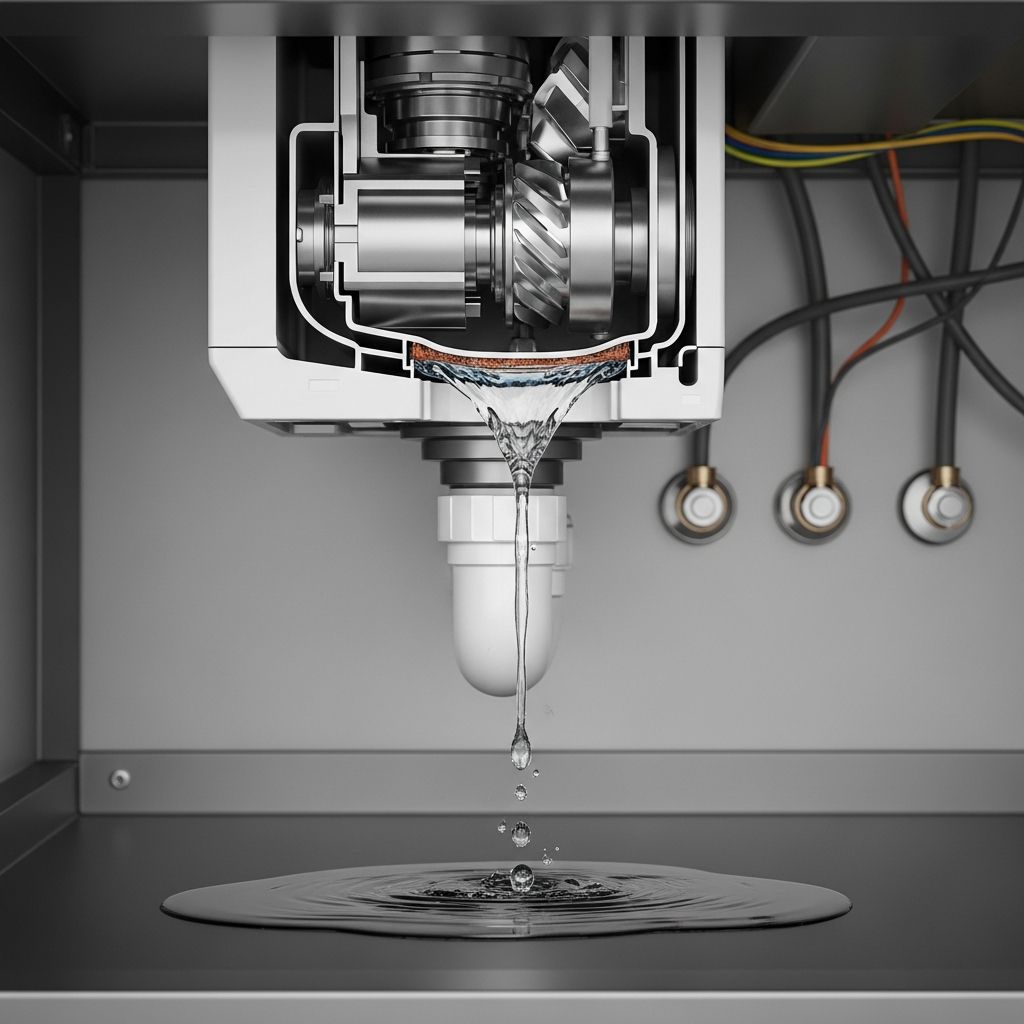
The most common culprit behind garbage disposal bottom leaks is the deterioration of internal seals and rubber gaskets. These components are designed to create a watertight barrier, preventing water from escaping the unit. Over time, constant exposure to moisture, temperature fluctuations, and the acidic environment created by food waste causes these rubber and silicone rings to degrade. Once they lose their elasticity and structural integrity, water finds its way through, pooling at the bottom of your cabinet. This is particularly prevalent in older disposal units that have been in service for many years.
Damaged Internal Seals
Beyond the gaskets visible at the flange, garbage disposals contain internal seals that can deteriorate just as easily. These seals work to maintain the watertight integrity of the motor housing and the grinding chamber. When these internal components fail, water leaks develop that are difficult to detect initially but become increasingly problematic over time. The location of these seals inside the unit makes them challenging to inspect without professional equipment, which is why many homeowners are surprised to discover they’ve failed.
Cracks in the Housing
Physical damage to the garbage disposal body can result in cracks that allow water to escape. These cracks might develop from a dropped utensil, impact from heavy use, or simply from age-related material fatigue. Even a small hairline crack can expand over time as water pressure builds during operation, eventually creating a significant leak.
Corrosion and Rust
Older disposal units are particularly susceptible to corrosion. The constant exposure to moisture combined with metallic components creates an ideal environment for rust formation. As the protective coating deteriorates, rust spreads through the metal structure, creating weak points where water can escape. In advanced cases, entire sections of the unit may become compromised.
Loose Connections and Vibration
The continuous operation of a garbage disposal creates constant vibration throughout the unit. Over time, this vibration can loosen the bolts, clamps, and connections that hold various components together. Even a slightly loose connection can allow water to seep through, starting as a minor drip but potentially escalating into a significant leak if left unaddressed.
Improper Installation
If your garbage disposal was not installed correctly, leaks may develop relatively quickly after installation. A poorly fitted flange, incorrectly sealed drain connections, or misaligned components can create weak points where leakage begins. These installation-related leaks might appear new, even if the unit itself is functioning properly.
How to Identify a Bottom Leak
Before attempting any repairs, you need to confirm that the leak is indeed coming from the bottom of the disposal. Following a systematic approach to leak detection will help you pinpoint the exact source.
Visual Inspection Process
Start by placing a bucket or towels under your sink to catch any water. Run cold water from your sink into the drain and observe where water appears. Open the cabinet doors wide and examine the garbage disposal unit closely. Look for water dripping directly from the bottom of the unit, around the reset button, or where the electrical cord emerges. Pay attention to whether the leak occurs immediately when water runs or if it develops gradually. This timing information can help distinguish between different types of problems.
Checking the Reset Button Area
The reset button, typically located at the bottom of the garbage disposal flange, is a common leak point. Water leaking from this area usually indicates internal seal failure. Examine whether the button moves freely or if it feels stuck, as debris lodged underneath can allow water to escape around the button housing.
Examining the Bottom Metal Plate
The metal mounting plate at the very bottom of the disposal is another area to inspect carefully. Check whether the mounting bolts are tight and whether you can see water seeping around the edges of this plate. Any gaps or corrosion around the metal plate mounting area could indicate seal failure.
Repair Options for Bottom Leaks
Once you’ve confirmed that your garbage disposal is leaking from the bottom, you have several options depending on the severity and cause of the leak.
Temporary Fixes
For minor leaks, some homeowners attempt temporary solutions. Applying plumber’s putty or waterproof sealant around the exterior of the leak might slow the dripping temporarily, but these solutions rarely address the underlying problem. Temporary fixes typically last only days or weeks before the leak resumes. While these quick solutions might buy you time to arrange for professional repairs or schedule a replacement, they should never be considered permanent fixes.
Professional Seal Replacement
A professional plumber might attempt to replace the internal seals within your garbage disposal unit. This process requires specialized tools and expertise, as it involves partially disassembling the unit and carefully replacing worn components. However, success rates for this approach are mixed. If the seals are only partially degraded and the unit is relatively new, professional seal replacement might extend the disposal’s life. For older units or those with extensive internal damage, this repair is often not cost-effective.
Complete Unit Replacement
The most effective and reliable solution for a garbage disposal leaking from the bottom is complete unit replacement. Once internal seals begin failing, water typically continues to find new escape routes even after attempted repairs. A new disposal unit comes with a comprehensive warranty, provides improved efficiency, and eliminates the frustration of recurring leaks. Modern garbage disposals are also more energy-efficient and quieter than older models, making replacement an investment in improved kitchen functionality.
When to Call a Professional
While some plumbing repairs are suitable for do-it-yourself attempts, garbage disposal issues often require professional expertise. You should contact a licensed plumber if:
- The disposal is still under warranty, as unauthorized repairs could void coverage
- You’re uncomfortable working with electrical components or drain plumbing
- The leak persists after your attempted tightening of visible connections
- You notice multiple leak points or extensive corrosion
- The disposal is more than eight to ten years old
- You need the disposal replaced and professionally installed
Prevention and Maintenance
While you cannot completely prevent all garbage disposal leaks, proper maintenance can significantly extend your unit’s lifespan and reduce leak risk. Avoid disposing of inappropriate food waste such as coffee grounds, eggshells, or fibrous vegetables that can damage internal components. Run water before, during, and after using the disposal to flush waste through the system effectively. Never force large items down the drain, and avoid overloading the unit with excessive amounts of food waste at once. These practices reduce strain on the unit and help maintain the integrity of internal seals and gaskets.
Cost Considerations
The cost of addressing a garbage disposal leak varies depending on your chosen solution. Attempting a DIY temporary fix costs minimal money but offers no lasting solution. Professional seal replacement might cost between $150 and $300, depending on your plumber’s rates and the extent of the repair needed. A complete disposal replacement, including removal of the old unit and professional installation of a new one, typically ranges from $300 to $600 or more, depending on the quality of the new unit and your location. While replacement represents a higher upfront cost, it offers the advantage of warranty protection and the peace of mind that comes with a functioning, reliable appliance.
Choosing a Replacement Garbage Disposal
If replacement becomes necessary, several factors should influence your selection. Consider the horsepower rating, which typically ranges from 0.5 to 1 horsepower for residential units. Higher horsepower models handle tougher food waste but consume more energy. Look for units with sound-dampening technology if noise is a concern in your kitchen. Stainless steel grinding components resist corrosion better than other materials. Additionally, check for units with extended warranties and good customer reviews to ensure reliability and longevity.
Frequently Asked Questions
Q: Can I repair a leaking garbage disposal myself?
A: Minor issues like tightening loose connections might be manageable for some homeowners. However, internal seal replacement and complex repairs require professional expertise and specialized tools. Most bottom leaks indicate deeper problems best handled by licensed plumbers.
Q: How long do garbage disposal seals typically last?
A: Most garbage disposal units last between 8 and 15 years with proper maintenance. Seals and gaskets may fail earlier in units that handle excessive food waste or are subjected to heavy use. Signs of approaching failure include minor leaks that worsen over time.
Q: Should I replace the disposal or attempt seal repair?
A: For older units or those with extensive damage, replacement is usually the better choice. New disposals offer improved efficiency, better warranties, and the assurance that the problem is fully resolved. For newer units with minor seal issues, professional repair might be worthwhile.
Q: What should I do immediately if my disposal starts leaking?
A: First, turn off the power to the unit. Place a bucket or towels under the sink to catch water and prevent damage to cabinets. Contact a plumber for evaluation and recommendation on repair or replacement options.
Q: Can water leaking from the dishwasher connection indicate a disposal problem?
A: Yes. If your garbage disposal leaks when the dishwasher runs, it often indicates internal seal failure or improper dishwasher hose connection. A professional evaluation can determine whether the issue is with the disposal itself or the connection points.
Q: How can I prevent my garbage disposal from leaking?
A: Maintain your disposal by avoiding inappropriate food waste, running water during operation, not overloading the unit, and having it inspected periodically. Proper usage habits significantly extend the life of your disposal and reduce leak risk.
References
- Why Your Garbage Disposal Is Leaking: Causes & Quick Fixes — Ben’s Plumbing. https://bens.plumbing/blog/what-to-do-if-your-garbage-disposal-is-leaking/
- Why Is My Garbage Disposal Leaking Underneath? — GoGrasshopper. https://gograsshopper.com/blog/why-is-my-garbage-disposal-leaking-underneath/
Similar Articles



Read full bio of Sneha Tete