Garden Arbors: Design, Build, and Enjoy a Beautiful Backyard Focal Point
Transform your garden entrance into a standout feature with a well-planned arbor that combines beauty, structure, and durability.
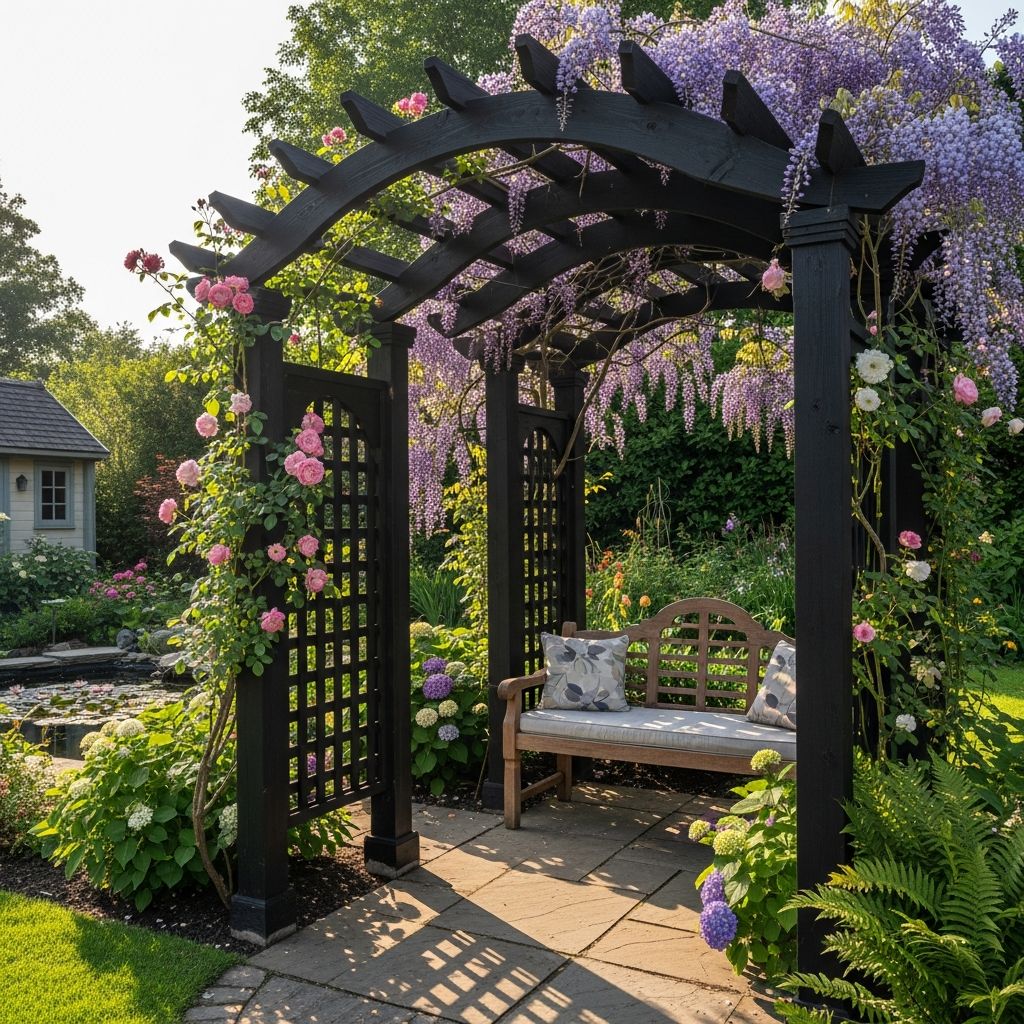
Garden Arbors: How to Plan, Build, and Love Your Backyard Archway
A garden arbor can turn an ordinary path into a welcoming gateway, frame a view, or create a dramatic entrance to your backyard. It blends structure and greenery, giving climbing plants a place to shine while adding real architectural interest to your landscape.
What Exactly Is a Garden Arbor?
A garden arbor is a freestanding outdoor structure, usually with two vertical sides and an overhead element, that acts as a doorway, frame, or focal point within a yard or garden. Unlike a simple trellis, which is typically flat and mounted to a wall or fence, an arbor often spans a path or opening and invites people to walk underneath it.
Most arbors are designed to support climbing plants such as roses, clematis, wisteria, or honeysuckle. Over time, the structure and plants blend together to form a living archway that adds shade, privacy, and a strong visual centerpiece.
Benefits of Adding a Garden Arbor
Before getting into tools and lumber, it helps to understand the value an arbor brings to your landscape. Beyond looking attractive, it solves several design and functional problems at once.
- Creates a defined entrance: An arbor turns a simple opening in a fence, hedge, or path into a memorable gateway.
- Supports climbing plants: Vines and climbing roses need a sturdy framework to grow on, and an arbor provides strong vertical support.
- Adds vertical interest: Many yards feel flat; an arbor introduces height and depth so your garden feels layered and dynamic.
- Frames views: Placed thoughtfully, it can frame a beautiful tree, a seating area, or a distant vista.
- Boosts curb appeal: A well-designed arbor near the front walk or gate can make the entire property feel more polished.
Choosing the Right Location
Placement is one of the most important decisions you will make. A perfectly built arbor in the wrong spot will never feel quite right, while a modest structure in the right location can transform the whole yard.
- Mark natural passageways: Place the arbor where people naturally walk: over a garden path, at a gate, or between two outdoor zones.
- Consider sun and shade: Climbing plants have specific light needs; choose a location that matches your chosen plant’s requirements.
- Think about views: Stand back and look through potential locations; pick a spot where the arbor will frame something worth seeing.
- Observe wind and exposure: Strong winds can stress a tall, vine-covered structure, so ensure the posts can be anchored securely.
Popular Arbor Shapes and Styles
An arbor does not have to be complicated to look elegant. Start by deciding on a general style that fits your house and garden, then adjust details to suit your taste.
| Style | Key Features | Best For |
|---|---|---|
| Classic arch | Curved top, slim posts, often paired with roses or flowering vines. | Cottage gardens, romantic walkways, traditional homes. |
| Rectangular top | Flat or slightly pitched roof line, clean angles, simple details. | Modern landscapes, minimal designs, tight spaces. |
| Pergola-style | Multiple beams and crosspieces, wider span, more shade. | Patio entrances, seating areas, outdoor rooms. |
| Rustic natural | Rough branches, logs, or reclaimed wood, irregular lines. | Woodland gardens, informal country yards. |
Material Options: Pros and Cons
Choosing the right material affects the look, maintenance, and lifespan of your arbor. Consider climate, budget, and how much upkeep you are willing to handle over the years.
- Wood: Common species include cedar, redwood, and pressure-treated lumber. Wood is easy to cut, offers a warm natural look, and works well for custom designs. However, it requires periodic sealing, staining, or painting to resist rot.
- Metal: Steel and aluminum arbors can be slim, strong, and durable. Powder-coated metal resists rust and typically needs minimal maintenance, but it can be harder for DIYers to modify on site.
- Vinyl or composite: These materials resist rot and insects and often come in prefabricated kits. They are low-maintenance but can be less customizable and may not match every architectural style.
Planning Size and Proportions
A well-proportioned arbor feels inviting and comfortable to walk through. Undersize it and tall guests will duck under it; oversize it and it can overpower a small space. Take a few measurements before you commit.
- Height: Aim for at least 7 feet of clearance at the lowest point, with extra height if you expect vigorous vines to hang down.
- Width: Allow enough room for the path plus plant growth. For a simple walkway, 3 to 4 feet of clear width usually feels right.
- Depth: A deeper arbor (with multiple crosspieces) creates more shade and presence, while a shallow design feels lighter and more subtle.
- Post spacing: Make sure the distance between posts suits the load of plants and any attached gate or fencing.
Basic Tools and Skills You’ll Need
Building a straightforward wooden arbor is well within reach for many homeowners. You will need basic carpentry tools, a way to dig post holes, and enough patience to measure and level carefully.
- Measuring tape, pencil, and layout string.
- Level (a long level or post level makes the job easier).
- Saw (miter saw or circular saw for straight cuts; a jigsaw for curved profiles).
- Drill or impact driver with exterior screws or bolts.
- Shovel or post-hole digger and, if needed, concrete mix for footings.
- Safety gear: eye protection, hearing protection, work gloves.
Step-by-Step Overview: Building a Simple Wooden Arbor
Every design will be different, but most DIY garden arbors follow a similar sequence. The overview below outlines the typical process so you can understand the scope before starting.
- Design and sketch: Draw a simple front and side view, marking overall height, width, and the number of crosspieces.
- Calculate materials: List posts, horizontal beams, crosspieces, and any lattice or slats for the sides.
- Lay out post locations: Mark the centerlines of your path, then mark where each post will go so everything aligns.
- Dig and set posts: Dig holes below frost depth if required in your region. Set posts in concrete or use anchors suitable for your soil conditions.
- Attach main beams: Once posts are plumb and secure, fasten the main horizontal members across the top.
- Add crosspieces and details: Install smaller rafters, slats, or decorative brackets to complete the top and sides.
- Finish and protect: Sand any rough edges, apply exterior paint, stain, or sealer, and let it dry before planting vines.
Anchoring the Arbor Safely
One of the most important aspects of the project is anchoring the arbor so it can stand up to wind and the weight of mature plants. Skipping this step or rushing it can shorten the structure’s lifespan and create safety issues.
- Concrete footings: For soft ground and heavier structures, setting posts in concrete provides reliable support. Be sure to allow enough depth and width for local soil and climate conditions.
- Surface-mount hardware: On patios or decks, posts can be attached with metal post bases that bolt into the surface.
- Check for plumb and alignment: As you secure each post, verify that it is straight in both directions and that opposing posts line up visually.
Planting Ideas for Your Arbor
The structure may be what you build, but the plants are what bring the arbor to life. Think about how you want it to look in different seasons and how fast you want coverage.
- Flowering vines: Climbing roses, clematis, honeysuckle, and jasmine offer fragrance and color.
- Edible options: Grapes or hardy kiwi can provide foliage, shade, and fruit.
- Evergreen coverage: In mild climates, evergreen vines can keep the structure green year-round.
- Mix and match: Pair one faster-growing vine with a slower, showier plant so the arbor looks full sooner.
Finishing Touches and Design Details
Small design choices can make your arbor feel custom and cohesive with the rest of your home. Consider repeating shapes or colors from your house or existing garden features.
- Top profiles: Cut gentle curves or decorative angles on the ends of crosspieces for a tailored look.
- Side panels: Add simple lattice or a grid of horizontal and vertical slats to support plants and create more privacy.
- Integrated seating or planters: Benches built into the sides or boxes at the base can turn the arbor into a small outdoor room.
- Lighting: Low-voltage or solar lights on the posts or overhead beams make the structure stand out at night.
Maintenance and Longevity
Even the best-built arbor needs occasional care, especially if it is made of wood in a climate with rain, sun, or snow. Establishing a simple maintenance routine will help it last for many years.
- Inspect annually for loose fasteners, cracked boards, or signs of rot at the base of the posts.
- Clean off mold, mildew, or algae with a mild cleaner and soft brush.
- Reapply exterior stain, paint, or sealer every few years according to product recommendations.
- Prune plants regularly so they do not overwhelm the structure or trap excess moisture against the wood.
Common Mistakes to Avoid
Planning ahead helps you avoid the small missteps that can lead to wobbly posts or a structure that feels out of scale. Learning from other people’s experience can save time and money.
- Skipping permits or guidelines: Some areas treat larger arbors like other outdoor structures; check local rules before building.
- Underestimating plant weight: A mature vine can be surprisingly heavy, so use appropriately sized posts and beams.
- Poor drainage around posts: Standing water accelerates rot, so shape the ground so water flows away from the base.
- Ignoring symmetry: Uneven heights or misaligned posts are hard to fix later. Take your time measuring and leveling.
Is a DIY Arbor Right for You?
Building a garden arbor is a satisfying project that can usually be completed over a weekend or two, depending on complexity. If you are comfortable making accurate cuts, using a drill, and setting posts, a basic design is a realistic goal.
For more complex designs with long spans, heavy beams, or unfamiliar materials, consider getting help from a more experienced DIYer or a professional carpenter. You can still influence the design while ensuring the structure is safe and durable.
Frequently Asked Questions
How deep should the posts be set?
Depth depends on climate, soil, and local codes, but as a general guideline, posts are often set so that roughly one-third of their total length is below ground when using concrete footings. In colder regions, posts usually need to extend below the local frost line to reduce movement over time.
Can I build an arbor on a patio or deck?
Yes, as long as the framing beneath the deck or slab can support the load. Instead of burying posts, you would typically use structural post bases anchored with appropriate fasteners into the concrete or framing. Always verify that your deck or slab can safely carry the extra weight of the structure and any plants.
What kind of finish should I use on a wooden arbor?
Use an exterior-rated product designed for outdoor conditions, such as paint, stain, or a clear sealer. Paint offers strong UV protection and bold color, while stain preserves the natural look of the wood grain. Whatever you choose, follow the manufacturer’s recommendations for preparation and reapplication intervals.
Do I need heavy-duty hardware?
For an arbor that will carry vines and stand up to weather, it is worth investing in exterior-grade screws or bolts and corrosion-resistant brackets. These components help keep joints tight over time and reduce the risk of rust or failure.
How soon can I plant vines after building the arbor?
You can usually plant as soon as any concrete has cured and finishes like paint or stain have fully dried. This allows you to train new growth from the beginning so it climbs where you want it. Just be gentle when attaching new shoots and avoid constricting them with tight ties.
Bringing Your Arbor Vision to Life
With thoughtful planning, a well-anchored structure, and the right plants, a garden arbor can become one of the most memorable features in your yard. It encourages people to slow down, walk through, and experience the garden from a new perspective.
Whether the arbor marks a gate, invites guests into a patio, or stands as a quiet destination deep in the garden, the combination of wood, metal, or vinyl with living greenery will continue to evolve and improve with each passing season.
Similar Articles







Read full bio of medha deb