Garden Tool Care Guide
Master cleaning, sharpening, and maintenance techniques to extend the life of your garden tools and boost gardening efficiency.
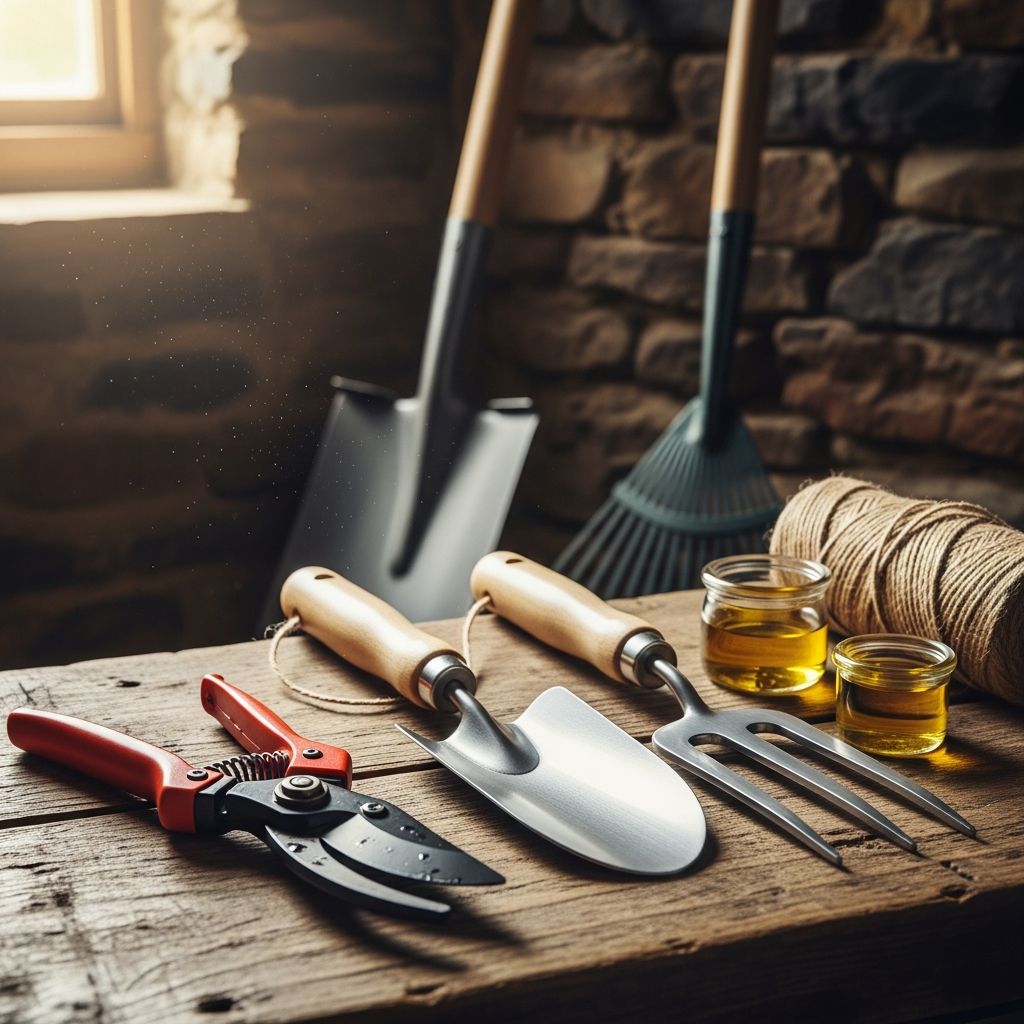
Proper care of garden tools ensures they perform optimally, last longer, and help maintain a healthy garden by preventing disease spread. Regular maintenance involves cleaning to remove debris, sharpening for efficient cutting, and protective measures against rust and wear. This guide provides detailed, step-by-step methods drawn from reliable gardening practices.
Why Tool Maintenance Matters
Maintaining garden tools goes beyond convenience; it directly impacts plant health and gardener safety. Dull blades tear plant tissue, inviting infections, while dirty tools harbor pathogens that spread diseases. Clean, sharp tools make precise cuts that allow plants to heal quickly, reducing vulnerability to pests and weather damage. Studies from extension services emphasize that sanitized tools prevent cross-contamination in gardens. Additionally, well-cared-for tools require less physical effort, minimizing strain and injury risk. Investing time in maintenance saves money on replacements and enhances overall gardening success.
Essential Cleaning Techniques
Cleaning is the foundation of tool care, removing soil, sap, and moisture that lead to rust and buildup. Perform cleaning after every use or at season’s end for best results.
- Initial Rinse: Use a garden hose to blast away loose dirt from shovels, hoes, and rakes. For stubborn soil, let it dry slightly before scrubbing with a stiff brush.
- Deep Scrub: Apply dish soap or foaming bathroom cleaner to metal surfaces, then scrub with steel wool or a wire brush. This tackles caked-on grime and light rust.
- Sap Removal: Sticky residue from pruning sticks to blades; dissolve it with turpentine, lighter fluid, or Goo Gone, followed by a rinse.
- Drying: Wipe tools thoroughly with a dry cloth and air-dry completely to prevent moisture-induced corrosion. Never store wet tools.
For heavily soiled tools, soak in a vinegar solution overnight—the acidity loosens rust without harsh chemicals. Follow with a baking soda scrub to neutralize and polish. Disinfect blades with a 10% bleach solution or rubbing alcohol to kill pathogens, especially after pruning diseased plants.
Rust Prevention and Removal Strategies
Rust forms when metal meets moisture and oxygen, common in humid gardening environments. Proactive steps keep tools rust-free.
| Method | Tools Needed | Steps | Best For |
|---|---|---|---|
| Vinegar Soak | White vinegar, rag | Soak rag in vinegar, wrap tool overnight; scrub with baking soda | Moderate rust |
| Commercial Remover | Evapo-Rust or similar | Apply per product instructions, rinse, dry | Heavy rust |
| Oiled Sand | Sand mixed with oil | Scrub tool in mixture; cleans and lubricates | Humid areas |
| WD-40 Wipe | WD-40 spray | Spray, wipe clean; repeat as needed | Prevention |
After rust removal, apply a thin coat of machine oil or boiled linseed oil to metal parts for protection. For wooden handles, sand rough spots and seal with linseed oil to prevent cracking. Store tools in a dry shed or hang them to promote airflow.
Sharpening Methods for Longevity
Sharp tools cut cleanly, reducing plant stress and effort. Sharpen based on tool type, matching the original bevel angle (typically 20-45 degrees).
Large Digging Tools
Shovels, spades, and hoes dull from soil abrasion. Sharpen them seasonally or when edges feel blunt.
- Secure in a vise for stability.
- Clean with wire brush.
- Use a 10-inch mill file; stroke forward along the bevel edge, 5-10 times per side.
- File the back lightly to remove burrs.
- Hone with fine sandpaper for smoothness.
A 45-degree angle works well for digging edges, ensuring they slice through soil easily.
Pruning and Cutting Tools
Pruners, loppers, and shears need frequent attention for clean cuts.
- Supplies: Whetstone or diamond sharpener (coarse/fine sides), mill file for larger blades.
- Process: Clean first, then sharpen the beveled edge with 10-15 strokes per side, maintaining factory angle. Finish with fine grit, oil pivot points with Boeshield T-9 or WD-40.
Quick post-use honing prevents buildup. Disassemble tools if possible to access all areas.
Handle and Mechanism Care
Wooden and moving parts deserve attention to avoid splintering and seizing.
- Sand handles smooth, apply 2-3 coats of boiled linseed oil; reapply yearly.
- Lubricate joints with food-grade oil or graphite spray for smooth operation.
- Inspect for cracks or looseness; tighten bolts as needed.
Avoid leaving tools outdoors; use tool racks or buckets of oiled sand for storage.
Seasonal Maintenance Schedule
Timing enhances efficiency.
- After Each Use: Wipe clean, dry, light sharpen if needed.
- Weekly: Deep clean pruning tools, disinfect.
- End of Season: Full overhaul—clean, sharpen, oil, store dry.
- Spring Start: Inspect, touch up edges.
Common Mistakes to Avoid
Gardeners often overlook drying, leading to rust, or sharpen at wrong angles, dulling tools faster. Skipping sanitation spreads diseases. Always wear gloves when handling chemicals or sharp edges.
FAQs
How often should I sharpen garden tools?
Pruners after 20-50 cuts; digging tools seasonally or when resistance increases.
Can I use household items for rust removal?
Yes, vinegar and baking soda effectively dissolve and polish rust without damage.
What’s the best oil for tool protection?
Boiled linseed for wood/metal; WD-40 or machine oil for mechanisms.
How do I sanitize tools?
Dip in 1:10 bleach-water or 70% alcohol; air dry.
Are diamond sharpeners better than files?
Diamond for small blades (faster, precise); files for large edges.
Implementing these practices transforms tool care from chore to habit, yielding reliable performance season after season.
References
- Garden Tool Care: Take Care of Your Tools and They’ll Take Care of You — UF/IFAS Extension Hillsborough County. 2025-12-02. https://blogs.ifas.ufl.edu/hillsboroughco/2025/12/02/garden-tool-care-take-care-of-your-tools-and-theyll-take-care-of-you/
- How to maintain and protect your gardening tools: a guide for beginners — The Garden Continuum. N/A. https://www.thegardencontinuum.com/blog/how-to-maintain-and-protect-your-gardening-tools-a-guide-for-beginners
- Garden Tool Care — Master Gardener Association of San Diego. N/A. https://www.mastergardenersd.org/garden-tool-care/
- How to Clean Your Garden Tools — Northern Gardener. N/A. https://northerngardener.org/clean-garden-tools/
- Keeping Garden Tools Sharp — The Martha Stewart Blog. 2021-09. https://www.themarthablog.com/2021/09/keeping-garden-tools-sharp.html
- How to Clean and Sharpen Gardening Tools — UC Master Gardeners of San Luis Obispo County (YouTube). N/A. https://www.youtube.com/watch?v=AMy_jtmihEQ
- How to Clean & Sharpen Your Garden Tools! // Garden Answer — Garden Answer (YouTube). N/A. https://www.youtube.com/watch?v=YzpKDkIOkJM
Similar Articles




Read full bio of medha deb