Gardening Statistics 2026: Key Trends, Spending, And Tech
Discover key gardening statistics for 2026 revealing growth in home gardening, sustainability efforts, and emerging trends shaping green spaces.
Gardening Statistics 2026
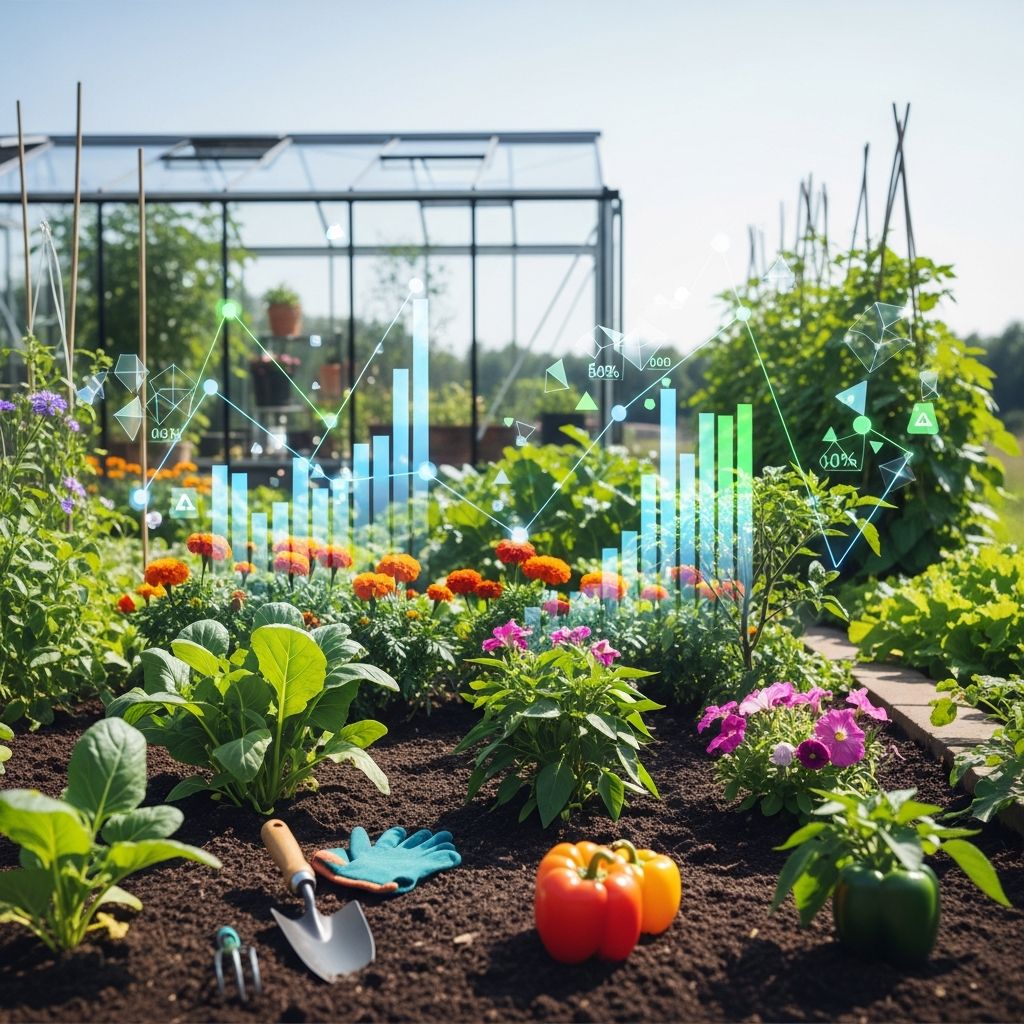
Gardening in 2026 reflects a dynamic evolution, with participation surging due to economic pressures, environmental awareness, and technological advancements. Homeowners are transforming yards into multifunctional spaces, prioritizing sustainability and personalization amid rising costs and climate challenges.
The Surge in Gardening Participation
Household engagement in gardening has reached record levels, driven by desires for self-sufficiency and mental well-being. Surveys indicate that over 60% of U.S. households now maintain some form of garden, up from previous decades, as people seek to counter high grocery prices through home-grown produce. This trend spans generations, with younger adults leading a revival in urban container gardening.
- Urban dwellers, facing space constraints, adopt vertical and container methods, maximizing every square foot.
- Families incorporate gardening into education, teaching children about food sources and ecology.
- Senior gardeners contribute significantly, with many citing health benefits like reduced stress and increased physical activity.
Purpose-driven approaches dominate, where gardens serve community and planetary health. Certifications for wildlife habitats have spiked, signaling a shift toward biodiversity-focused designs.
Market Growth and Consumer Spending Insights
The gardening industry is projected to exceed $50 billion in annual sales by 2026, fueled by “prosumer” purchases of durable, tech-enhanced tools. Consumers favor high-performance equipment that blends commercial power with user-friendly features, reflecting a mindset of long-term investment.
| Category | 2026 Projected Spending (USD Billions) | Growth Rate YoY |
|---|---|---|
| Tools & Equipment | 12.5 | 8% |
| Plants & Seeds | 18.2 | 10% |
| Outdoor Living Features | 15.4 | 12% |
| Tech & Smart Devices | 4.1 | 25% |
Spending patterns highlight a move toward multifunctional items, such as raised beds for hobby farms and living walls for small lots. Economic factors like inflation have boosted low-input methods, with many reducing fertilizer use to cut costs while improving soil health.
Sustainable Practices Dominating Landscapes
Sustainability is no longer optional; it’s central to 2026 gardening. Practices like rewilding—intentionally restoring native plants while controlling invasives—support local ecosystems and reduce maintenance needs. Gravel gardening, a xeriscaping technique, conserves water and thrives in arid regions, gaining adoption in public and private spaces alike.
- Native plant usage has doubled in the last five years, enhancing pollinator populations.
- Water-wise designs, including drip irrigation and rain gardens, address drought concerns.
- Composting and organic methods prevail, with 70% of gardeners avoiding synthetic chemicals.
Precision techniques minimize waste: soil sensors and weather apps prevent overwatering, aligning with broader climate resilience efforts.
Technology’s Role in Modern Gardening
AI-driven tools are revolutionizing yard care, offering soil analysis, plant health diagnostics, and customized care plans. Homeowners use apps for microclimate tracking, ensuring optimal growth in varied conditions. This data-centric approach boosts yields and reduces errors, appealing to tech-savvy millennials and Gen Z.
Smart integrations extend to automation, like app-controlled lighting for indoor plants and automated feeders for outdoor plots. These innovations make gardening accessible year-round, defying seasonal limits with the “365-day landscape” model.
Demographic Shifts and Generational Trends
Gen Z and millennials spearhead plant collecting as a form of personal expression, curating unique “personal museums” of rare varieties. This collecting boom emphasizes affordable, meaningful acquisitions over mass consumption.
Houseplants remain a staple, with global sales surging post-pandemic for their air-purifying and wellness benefits. Even small apartments host lush indoor jungles, blurring lines between indoor and outdoor cultivation.
- Boomers focus on low-maintenance, edible landscapes for retirement hobbies.
- Families prioritize pet-friendly designs, incorporating safe plants and play zones.
- New gardeners, inspired by social media, start with easy edibles like herbs and microgreens.
Regional and Global Gardening Patterns
In North America, community green spaces like mini-parks complement private yards, fostering connected ecosystems. Canada’s gardeners emphasize climate-adaptive varieties, overlapping edibles with ornamentals for efficiency.
Urbanization drives vertical solutions worldwide, while rural areas expand hobby farms. Foraging and wild edibles trend upward, tying into self-reliance amid supply chain uncertainties.
Challenges Facing Gardeners Today
Despite enthusiasm, challenges persist: climate extremes demand resilient plants, and rising input costs push low-fertilizer strategies. Pests and diseases evolve, met with integrated pest management over chemicals.
Space limitations in cities spur innovations like balcony farms, but soil quality remains a hurdle, addressed via raised beds and imported amendments.
Future Outlook: What 2026 Holds
Looking ahead, expect deeper integration of AR for virtual planning and biotech for drought-resistant seeds. Pet-inclusive designs and edible-ornamental hybrids will redefine aesthetics, prioritizing function and joy—the essence of “lemonading,” turning obstacles into garden triumphs.
Frequently Asked Questions
What percentage of households garden in 2026?
Over 60% of U.S. households engage in gardening, driven by food security and wellness.
Is gardening spending increasing?
Yes, the industry nears $50 billion, with tech segments growing fastest at 25% YoY.
What are top sustainable trends?
Rewilding, gravel gardens, and precision tech lead for water savings and biodiversity.
How is technology changing gardening?
AI apps provide data-driven care, from soil tests to plant ID, minimizing waste.
Which generations garden most?
Younger cohorts like Gen Z collect plants; all ages participate for varied reasons.
References
- TurfMutt Foundation release 2026 backyard trends — Garden Center Magazine. 2026-01. https://www.gardencentermag.com/news/turfmutt-foundation-2026-backyarding-trends/
- A Look Ahead to the 2026 Garden Trends — Garden Culture Magazine. 2026. https://gardenculturemagazine.com/2026-garden-trends/
- The BEST Garden Trends for 2026 (What’s Actually Worth Growing) — YouTube (Gardening In Canada). 2025-12-31. https://www.youtube.com/watch?v=eyB2d23_QPg
- Top 10 Gardening Trends for 2026 — Pennsylvania Horticultural Society. 2026. https://phsonline.org/for-gardeners/gardeners-blog/top-gardening-trends-2026
- Roundtable Summary: 2026 Garden Trends from Garden Media Group — Home Garden Seed Association. 2026. https://homegardenseedassociation.com/roundtable-summary-2026-garden-trends-from-garden-media-group
- 2026 Garden Trends Report: Lemonading — Garden Media Group. 2026. https://gardenmediagroup.com/2026-garden-trends-report/
Similar Articles








Read full bio of Sneha Tete