Gas Furnace Venting Guide: Safety, Types, And Installation
Master safe and efficient gas furnace venting with this detailed guide covering types, installation, and troubleshooting essentials.
Gas Furnace Venting Guide
Proper venting for gas furnaces is essential to safely remove combustion byproducts like carbon monoxide while maximizing heating efficiency. This guide explores system types, key components, installation processes, safety protocols, and maintenance strategies to help homeowners and technicians ensure reliable operation.
Why Furnace Venting Matters for Safety and Performance
Venting systems expel harmful exhaust gases produced during fuel combustion, preventing indoor accumulation that could lead to health risks. Beyond safety, effective venting optimizes airflow, reduces energy waste, and extends furnace lifespan by maintaining balanced combustion.
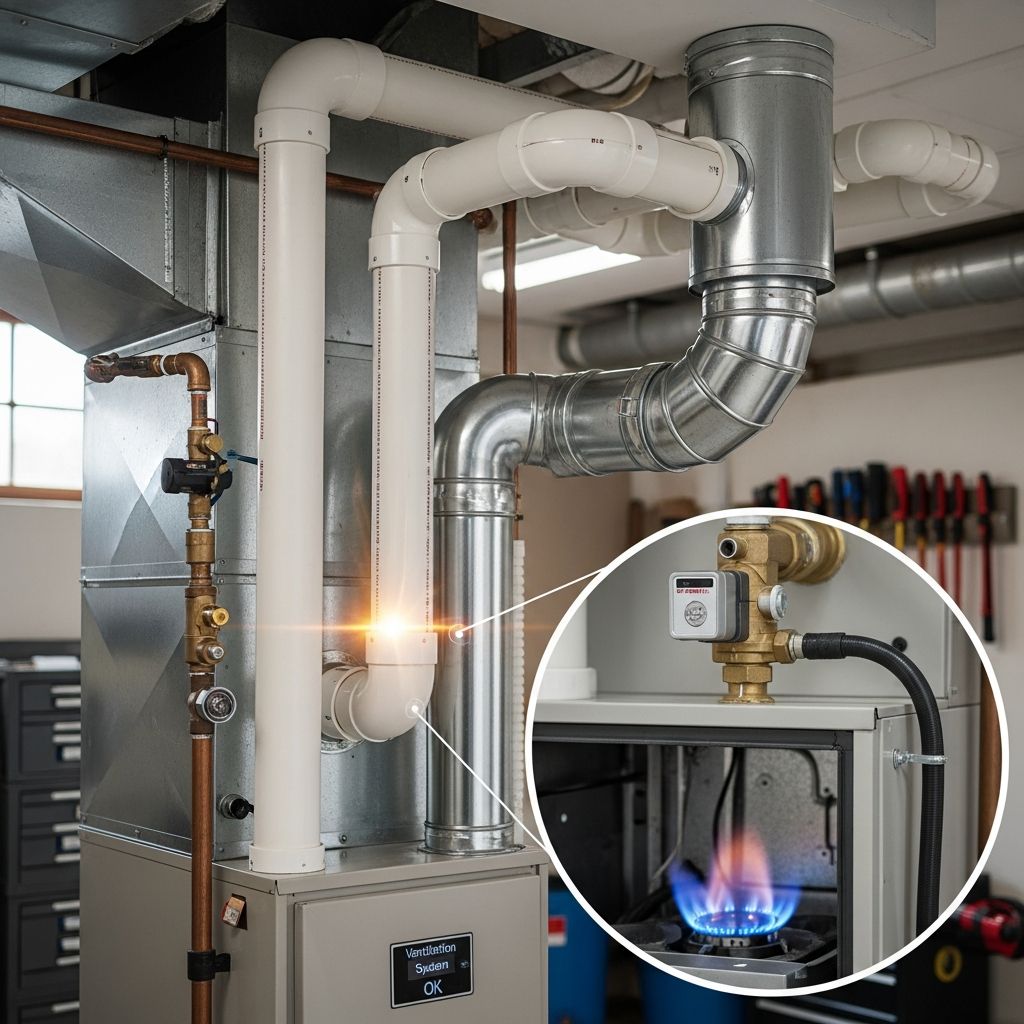
High-efficiency models, often using PVC pipes, require precise venting to handle condensate and avoid re-intake of exhaust. Traditional systems rely on metal flues for hot gases. Understanding these dynamics ensures compliance with building codes and manufacturer specs.
Core Components of Gas Furnace Venting Systems
Every venting setup includes specialized parts working together to direct gases outdoors securely. Familiarity with these elements aids in inspections, repairs, and upgrades.
- Flue Pipe: Primary metal conduit enduring high heat; sized correctly for optimal gas flow.
- Vent Connector: Links furnace to flue with secure seals and slight slopes for smooth drainage.
- Chimney or Vent Stack: Vertical extension above roofline promoting natural draft and blocking backflow.
- Inducer Motor: Fan pulling exhaust through heat exchangers before venting.
- Termination Fittings: Outdoor ends like caps or concentric vents preventing intake recirculation.
Insulated sleeves and pitch controls further enhance performance by managing condensation and heat loss.
Exploring Venting System Types
Gas furnaces use varied venting methods suited to efficiency levels and home layouts. Selecting the right type depends on furnace model, local climate, and installation constraints.
| Type | Description | Best For | Materials |
|---|---|---|---|
| Natural Draft | Relies on hot gas buoyancy for upward flow; simple design. | Standard efficiency furnaces; cost-sensitive installs. | Metal flue pipes. |
| Mechanical Draft | Fans or blowers force exhaust out; reliable in wind or tall structures. | High-rise homes; variable conditions. | Metal with powered assist. |
| Direct Vent (2-Pipe) | Separate intake/exhaust pipes; sealed combustion from outdoors. | High-efficiency condensing units. | PVC or CPVC pipes. |
| Power Vent | Blower expels cooler gases horizontally or vertically. | Sidewall venting; compact spaces. | Plastic or approved metals. |
Direct-vent systems shine in tight modern homes, drawing fresh air externally to boost safety and efficiency.
Planning Your Gas Furnace Vent Installation
Successful installs start with site assessment. Measure distances from furnace to exterior, note obstacles like joists, and check local codes for clearances (typically 12-18 inches from combustibles).
Key planning factors:
- Pipe Sizing: Use manufacturer tables factoring BTU rating, length, elbows (e.g., 2-inch for <80k BTUs; 3-inch for larger).
- Pitch Requirements: 1/4-inch per foot toward furnace for condensate drainage; avoid sags or outward slopes to prevent ice buildup.
- Elbow Limits: Minimize 90-degree bends; prefer long-radius for better flow.
- Termination Placement: Exhaust 1+ foot above intake; 12 feet from property lines or openings.
Consult furnace manual for altitude adjustments, as thinner air affects sizing.
Step-by-Step Installation Instructions
Follow these steps for a code-compliant setup. Shut off gas/electricity first; use PPE.
- Prepare Furnace Outlet: Attach draft hood or inducer assembly per manual.
- Install Vent Connector: Secure to furnace with screws/clamps; seal joints with high-temp sealant.
- Route Through Structure: Cut holes for pipes; use firestops at ceilings/floors. Maintain pitch.
- Connect to Chimney/Stack: Use listed adapters; extend 2+ feet above roof peak.
- Exterior Termination: Install vent cap or concentric kit; seal wall penetration with flashing.
- Test System: Run furnace, check for leaks with smoke test or CO detector.
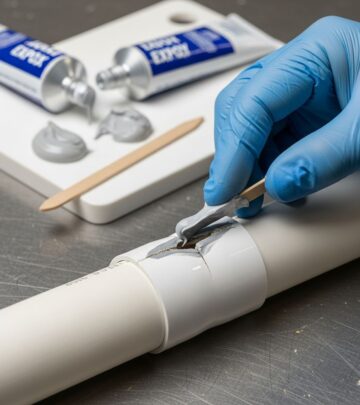
For high-efficiency PVC: Solvent-weld joints; pitch all sections drainward. Glue per manufacturer.
Safety Standards and Code Compliance
Venting must meet International Fuel Gas Code (IFGC) or local equivalents. Key rules include minimum rises, support spacing (every 5 feet), and material approvals (e.g., AL29-4C stainless for corrosive gases).
Prohibit unvented space heaters; ensure positive shutoff on gas valves. Annual pro inspections verify draft and integrity.
Common Venting Problems and Fixes
Issues like blockages or improper pitch cause inefficiencies or hazards. Diagnose early:
- Backdrafting: Symptoms: Sooty tips, CO alarms. Fix: Extend stack, add inducer.
- Condensate Freezing: In cold climates. Solution: Insulate pipes, proper pitch.
- Oversized/Undersized Pipes: Poor draft. Recalculate per manual.
- Joint Leaks: Use approved sealants; tighten fittings.
Routine checks: Clear nests/debris; verify pitch with level.
Upgrading to High-Efficiency Venting
Switching to 90%+ AFUE furnaces demands PVC venting. Benefits: Lower bills, sidewall options. Retrofit tips: Chase old chimney with new pipes if space allows; cap unused flues.
Costs: $500-2000 materials/labor; ROI via energy savings.
Maintenance Best Practices
Quarterly visual inspections; annual pro service. Clean terminations, check seals, test draft.
- Vacuum debris.
- Inspect for corrosion/rust.
- Monitor CO levels.
- Lubricate inducer if needed.
Frequently Asked Questions (FAQs)
Can I vent a gas furnace horizontally?
Yes, power-vent models allow sidewall exits with blowers; ensure pitch and clearances.
What pipe material for condensing furnaces?
PVC, CPVC, or Polypropylene; rated for acidic condensate.
How far should exhaust be from intake?
Minimum 12 inches apart, exhaust 1 foot higher.
DIY venting safe?
Basic repairs yes; full installs require permits/pro knowledge for codes.
Signs of venting failure?
Yellow flame, odors, frequent shutdowns—call pro immediately.
Mastering gas furnace venting safeguards your home and boosts comfort. Regular upkeep prevents costly issues.
References
- Understanding Furnace Flue and Vent Pipes — ECI Comfort. 2023. https://www.ecicomfort.com/blog/understanding-furnace-flue-and-vent-pipes
- Inspecting High-Efficiency Furnace Venting (2024) — Structure Tech. 2024-01-15. https://structuretech.com/high-efficiency-furnace-venting/
- Ductwork Venting Components Glossary — First Supply. 2024. https://www.firstsupply.com/Knowledge-Center/ductwork-and-venting-components-glossary
- Gas Furnace Parts and Functions! Operation Explained! — YouTube (HVAC Training Video). 2022. https://www.youtube.com/watch?v=u3bxZRjXxRM
- 90% Venting in a Furnace — Behler-Young. 2023. https://www.behler-young.com/tech-tips/furnace-tips/90-venting-in-furnace
Similar Articles


Read full bio of medha deb