Gentle Home Upgrades: Simple Cleaning and Design Habits That Actually Stick
Turn everyday mess into a calm, beautiful home with a few easy, repeatable habits.
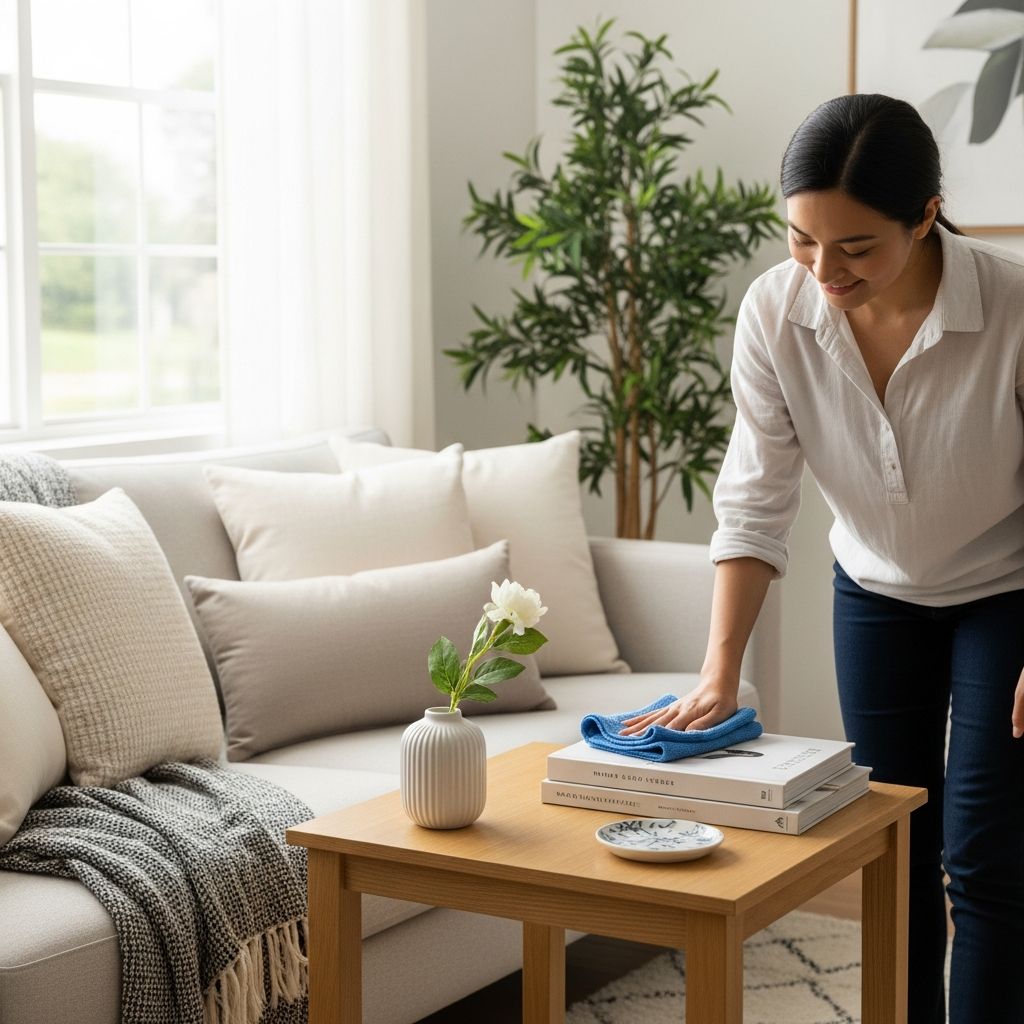
A beautifully kept home is less about perfection and more about repeatable habits that fit into real life. Instead of chasing a magazine-worthy space, this guide focuses on easy, low-stress cleaning and design ideas you can maintain on an ordinary weekday.
Why Simple Beats Perfect at Home
Complicated cleaning systems and elaborate décor often fall apart the moment life gets busy. A better approach is to build a home that is just clean enough, comfortable, and easy to reset after a long day. Small, consistent habits do more for your space than occasional marathon cleaning sessions.
When your furniture layout, storage, and surfaces work with your daily routines, cleaning becomes a series of tiny actions rather than a huge project. The goal is not to create a showroom, but to support how you cook, relax, work, and recharge.
The Five-Minute Reset Mindset
Instead of waiting for a free afternoon, use brief pockets of time to refresh key areas. A five-minute reset is a short burst of focused tidying that keeps your home from sliding into chaos.
- Pick one surface only: a coffee table, kitchen counter, or entry bench.
- Set a timer: five minutes of fast action feels manageable and energizing.
- Do a single pass: remove trash, relocate items, wipe once, and stop.
Stacking a few resets throughout the day—after breakfast, before leaving the house, and before bed—creates a rhythm of maintenance that prevents overwhelming mess from building up.
Room-by-Room Daily Habits
Each room needs only a handful of non-negotiable tasks to look reasonably pulled together. Think in terms of daily minimums, not deep-cleaning perfection.
Kitchen: From Chaos to Clear Counters
The kitchen is the engine of the home, and visual clutter here can make the whole house feel messy. Focus on circulation: dishes, food, and trash should always have an obvious path in and out.
- Run the dishwasher or wash dishes once after breakfast and once after dinner.
- Clear and wipe the main countertop before bed, even if you skip everything else.
- Keep only daily essentials (coffee maker, knife block) on the counter; store the rest.
Living Room: Easy to Reset, Easy to Relax
The living room should shift quickly from “lived-in” to “guest ready” with a few focused moves. This is easier when you limit knickknacks and give blankets, remotes, and chargers a defined home.
- Use a lidded basket to corral throws, game controllers, and kids’ toys.
- End each day with a 60-second cushion and blanket straightening session.
- Keep one small tray on the coffee table for remotes and coasters; clear everything else.
Bedroom: Calm Starts with the Bed
Your bedroom sets the tone for how you wake and wind down. A made bed and clear nightstands instantly make the space feel more restful, even if the closet still needs work.
- Make the bed as soon as you stand up; smooth, not perfect, is the goal.
- Limit bedside surfaces to three items: lamp, book, and one personal item.
- Use a shallow tray or dish to gather jewelry, glasses, and small items.
Bathroom: Quick Shine, Not Deep Scrub
Because bathrooms are small, tiny messes show immediately. Light daily maintenance keeps the space fresh without needing constant scrub-downs.
- Keep a microfiber cloth handy to wipe the sink and faucet after brushing teeth.
- Hang towels on hooks rather than bars for faster, easier straightening.
- Use one pretty basket under the sink to store extra toilet paper and backup toiletries.
Design Your Space for Less Cleaning
Thoughtful design choices can reduce how often you need to clean. When surfaces, fabrics, and layouts are chosen for durability and ease of use, your home looks better with less effort.
Focus on finishes and furniture that forgive everyday life: darker textiles, wipeable surfaces, and simple silhouettes. The less fussy the design, the easier it is to keep tidy.
High-Impact, Low-Effort Design Tweaks
- Choose washable textiles: slipcovers, washable rugs, and removable cushion covers.
- Favor closed storage: cabinets and baskets hide visual clutter better than open shelves.
- Pick resilient finishes: matte hardware, mid-tone flooring, and non-gloss paint reduce visible smudges.
Smart Storage: Give Everything a Home
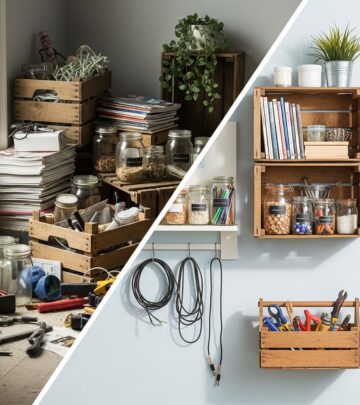
Clutter is often just delayed decisions about where things belong. Clear, simple storage zones help everyone in the household know where to put items back, reducing piles on every surface.
| Item Type | Best Storage Spot | Helpful Container | Simple Rule |
|---|---|---|---|
| Mail & papers | Entry console or kitchen corner | Wall file or labeled tray | Sort into “Action” and “File” once a week. |
| Keys & wallets | Near the main door | Small bowl or hooks | Return items to the same spot every time you come home. |
| Kids’ toys | Living room or play area | Lidded baskets or bins | One basket per category; stop when a basket is full. |
| Cleaning supplies | Under sink or hallway closet | Caddy or bin with handle | Keep a small caddy on each floor for quick touch-ups. |
| Tech & chargers | Desk drawer or media console | Labeled pouches or divided box | Store one spare of each cable; donate or recycle extras. |
Start by assigning homes to the items that cause you the most frustration: the shoes at the door, the mail pile, or the toys underfoot. Once those hotspots are under control, the rest of your home begins to feel more peaceful.
Decluttering Without the Drama
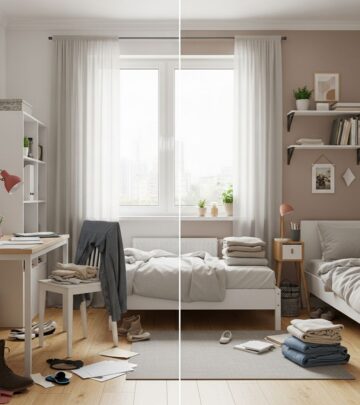
Decluttering does not have to be emotional or extreme. Instead of emptying entire rooms, work in tiny zones—a drawer, a shelf, or a single corner—so you see progress without burnout.
- Use three baskets: keep, donate, and trash. Fill them quickly without overthinking.
- Set a limit: one small area and one short timer keeps the task approachable.
- Finish the cycle: take donations straight to your car and empty the trash immediately.
As items leave your home, resist the urge to refill empty spaces right away. Let your rooms breathe, then add back only what you truly use or love.
Weekly and Monthly Mini-Plan
Once daily habits feel solid, layer in a simple rhythm for bigger tasks. A basic schedule prevents deep-clean chores from stacking up and becoming overwhelming.
Sample Weekly Rhythm
- Monday: quick kitchen reset and fridge check.
- Tuesday: bathrooms (wipe surfaces, change towels, empty trash).
- Wednesday: dust visible surfaces and tidy living room storage.
- Thursday: bedroom refresh (wash bedding, clear nightstands, quick closet tidy).
- Friday: floors (vacuum and mop high-traffic areas).
- Weekend: one small project, such as a drawer, shelf, or cabinet.
Light Monthly Tasks
- Rotate seasonal clothing and donate anything you did not wear.
- Wipe baseboards and door handles in high-traffic areas.
- Edit one category: mugs, towels, cleaning products, or linens.
The key is flexibility: it is fine to swap days or skip tasks when life is full. The routine is there to support you, not to add pressure.
Make Cleaning Less Boring (and More Automatic)
Cleaning can feel like a chore, but small tweaks can make it faster and more pleasant. Pair cleaning with something you enjoy so it becomes part of your everyday rhythm rather than something you dread.
- Listen to a favorite podcast or playlist only while doing chores.
- Use smaller, lighter tools (cordless vacuums, compact mops) that are easy to grab.
- Store supplies where you use them instead of in one distant closet.
Over time, your brain begins to associate these cues—music, scents, or a particular time of day—with quick resets, which makes starting much easier.
FAQs: Everyday Cleaning and Design
How do I start if my home feels overwhelming?
Begin with the area you see first when you walk in the door, such as an entryway or a small section of the kitchen counter. Clear and clean that one space every day for a week so you experience what a finished zone feels like. Once that area stays consistently tidy, move to the next small zone.
How often should I deep clean?
The answer depends on your household size, pets, and lifestyle, but most people do well with deep-cleaning main areas every one to three months. Instead of a huge all-day effort, break deep cleaning into focused chunks: one weekend for windows, another for baseboards, another for organizing a closet.
What if my family will not help?
Start by making it easier for them to succeed: label bins, use wide-open baskets instead of complicated systems, and keep expectations clear and simple. Then assign small, age-appropriate tasks—like putting shoes in a basket or carrying dishes to the sink—and praise consistency rather than perfection.
How can I keep my home stylish without more clutter?
Choose a few larger décor pieces rather than many tiny items, such as one oversized vase, a statement lamp, or a single art piece per wall. Aim for beauty with function: attractive baskets, lidded boxes, or trays that look intentional while hiding everyday items.
What is the best place to spend money if I am on a budget?
Invest first in items that affect daily comfort and cleaning ease: a decent vacuum, washable bedding, and a few hard-working storage pieces like shelves or baskets. Then gradually replace worn-out items in high-visibility areas—throw pillows, towels, or a small rug—to refresh the look of your home without a full makeover.
Bringing It All Together
Clean, welcoming homes are built on habits, not heroics. By combining short daily resets, smart storage, and forgiving design choices, you create a space that supports your life instead of demanding constant attention. Start small, stay consistent, and let your home evolve gently as your routines grow stronger.
Similar Articles



Read full bio of medha deb