Everything You Need to Know About Geothermal Heat Pumps
Complete guide to geothermal heat pump systems: benefits, costs, installation, and maintenance.

Geothermal heat pumps represent one of the most efficient and environmentally-friendly heating solutions available to modern homeowners. Unlike traditional heating systems that rely on combustible fuels or above-ground air temperature exchange, geothermal systems tap into the Earth’s natural heat reserves to provide consistent, cost-effective warmth year-round. Whether you’re building a new home or considering upgrades to your existing heating system, understanding the fundamentals of geothermal heat pump technology is essential for making an informed decision.
How Geothermal Heat Pumps Work
A geothermal heat pump operates on a remarkably simple but effective principle: it extracts thermal energy from beneath the Earth’s surface and transfers it into your home. The ground maintains relatively stable temperatures throughout the year, even when air temperatures fluctuate dramatically with the seasons. This thermal stability makes geothermal systems exceptionally reliable, particularly in cold climates where traditional heat pumps may struggle.
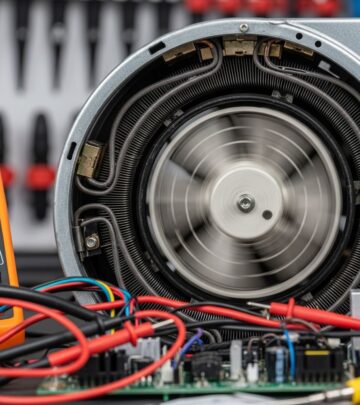
The system consists of three main components working in harmony. First, a network of underground pipes—often called a ground loop—circulates a heat transfer fluid deep into the earth. This fluid absorbs heat from the ground, even in freezing conditions. Second, the heat pump unit itself uses a compressor and refrigerant cycle to concentrate this heat to a usable temperature. Third, a distribution system delivers the heated fluid or air throughout your home.
There are two primary types of geothermal systems: closed-loop and open-loop. Closed-loop systems recirculate the same fluid continuously through underground pipes, making them the most common choice for residential installations. Open-loop systems draw groundwater directly from wells, use it to extract heat, and then return it to the ground. Both systems can achieve exceptional efficiency ratings, with some units reaching coefficients of performance (COP) of 4 to 6, meaning they produce 4 to 6 units of heat for every unit of electricity consumed.
Key Advantages of Geothermal Heat Pumps
Superior Energy Efficiency
Geothermal heat pumps stand among the most efficient heating and cooling systems available today. Because they leverage the Earth’s relatively constant underground temperature rather than trying to extract heat from cold winter air, they operate at peak efficiency even during the harshest weather conditions. Homeowners who switch to geothermal heating typically see energy cost reductions of 30 to 70 percent compared to traditional electric heating systems. This dramatic reduction translates into substantial savings over the system’s 25-year lifespan.
Exceptional Cold Weather Performance
Traditional above-ground heat pumps can struggle during extreme cold snaps, often requiring backup heating systems or experiencing significant efficiency losses. Geothermal systems, conversely, maintain consistent performance regardless of outdoor air temperature. The ground temperature remains relatively constant, typically between 45 and 75 degrees Fahrenheit depending on geographic location, ensuring your system continues operating efficiently even when winter temperatures plummet far below freezing.
Environmental Sustainability
Geothermal heating produces zero direct emissions and requires no fossil fuel combustion. This clean operation qualifies systems for various tax credits, rebates, and incentive programs at federal, state, and local levels. Many utility companies offer special financing or rebate programs to encourage geothermal adoption, potentially offsetting a significant portion of installation costs.
Minimal Maintenance Requirements
Compared to furnaces, boilers, or traditional heat pump systems, geothermal units require remarkably little maintenance. There’s no need for regular fuel deliveries, chimney cleaning, or frequent filter changes. The system’s primary components are protected underground or indoors, shielded from weather-related wear and tear. Most manufacturers recommend professional inspections every few years and simple fluid checks, making this one of the lowest-maintenance home heating solutions available.
Space-Saving Design
Geothermal systems don’t require large outdoor units like traditional air-source heat pumps or extensive space for fuel storage. The main equipment sits inside your home, and the ground loop remains underground and invisible. This makes geothermal systems particularly attractive for homeowners with limited outdoor space or those seeking to maintain their property’s aesthetic appeal.
Radiant Floor Heating Benefits
When paired with hydronic floor heating systems, geothermal heat pumps provide exceptional comfort. Radiant heating distributes warmth evenly throughout rooms without circulating air, benefiting individuals with asthma or allergies by reducing airborne irritants and dust circulation. The gentle, even heat promotes comfort while allowing lower thermostat settings, further reducing energy consumption.
Important Considerations and Drawbacks
High Initial Installation Costs
The most significant barrier to geothermal adoption is the substantial upfront investment required. Installation costs vary dramatically based on system size and local ground conditions. A one-ton system typically costs between $2,500 and $8,000, while larger five-ton models can reach $40,000 or more. Rocky soil, bedrock, or difficult excavation conditions can drive costs even higher. Homeowners should obtain multiple quotes from local installers to understand their specific costs.
Retrofit Challenges
Installing a geothermal system in an existing home often requires extensive remodeling, particularly when adding radiant floor heating. The ground loop installation necessitates significant excavation, while floor heating integration may require removing and replacing flooring throughout the house. For this reason, geothermal systems are most cost-effective when incorporated during new construction or major renovation projects. Retrofitting older homes can prove prohibitively expensive and disruptive.
Slower Heat Response Time
While geothermal systems operate efficiently, they sometimes take longer to achieve desired temperatures compared to traditional furnaces or boilers. If your home drops significantly below your thermostat setting, the system may require more time to restore comfort. Many installations include backup heating systems to address this limitation during extreme temperature swings.
Limited Cooling Capacity
Some geothermal configurations, particularly hydronic systems designed primarily for floor heating, offer limited cooling capability. If you require significant air conditioning, you may need to integrate supplementary cooling systems or choose a configuration designed for both heating and cooling functionality.
Complex Repairs
If problems develop with a geothermal system, repairs are often significantly more expensive than servicing traditional HVAC equipment. Diagnosing ground loop issues can prove challenging, and repairs may require extensive excavation. Service specialists with geothermal expertise are less common than traditional HVAC technicians, potentially increasing repair costs and wait times.
Installation and Site Considerations
Geographic Suitability
Modern geothermal technology is viable in nearly any geographic location, from northern climates to southern regions. Today’s systems can be installed in diverse ground conditions, though rocky soil or bedrock can increase installation complexity and cost. Installers can design deeper or shallower ground loop configurations based on specific soil characteristics, ensuring optimal performance regardless of your property’s geology.
Ground Loop Configuration Options
Two primary ground loop configurations suit different property characteristics. Horizontal loops require approximately one acre of land and are buried 4 to 6 feet deep in trenches. Vertical loops work in limited spaces by drilling bore holes 150 to 300 feet deep. Most residential installations use horizontal configurations where space permits, as they’re typically more economical. Vertical systems suit smaller properties or rocky terrain where extensive trenching is impractical.
Professional Installation Requirements
Geothermal system installation demands specialized expertise. Proper sizing, ground loop design, and system balancing require professional calculation and execution. Attempting DIY installation or hiring unqualified contractors can result in poor performance, system inefficiency, or costly failures. Always hire certified geothermal contractors with proven experience and appropriate licensing.
Cost Analysis and Return on Investment
| System Size | Typical Cost Range | BTU Capacity |
|---|---|---|
| 1-Ton | $2,500 – $8,000 | ~12,000 BTU |
| 3-Ton | $10,000 – $20,000 | ~36,000 BTU |
| 5-Ton | $25,000 – $40,000 | ~60,000 BTU |
While geothermal systems require significant upfront investment, the long-term financial picture proves compelling. With energy savings of 30 to 70 percent, most homeowners recover their investment within 5 to 10 years. Federal tax credits, state incentives, and utility rebates can substantially reduce net costs. Over a system’s typical 25-year lifespan, the cumulative savings often exceed $30,000 to $50,000 compared to traditional heating systems.
Financing and Incentive Options
Several financing mechanisms can make geothermal systems more accessible. The federal government offers tax credits for geothermal heat pump installations, though credit amounts change periodically. Many states provide additional rebates or tax incentives. Local utility companies frequently offer special financing programs, rebate packages, or performance incentives specifically designed to encourage geothermal adoption. Some programs even cover partial installation costs or offer below-market loan rates. Research your local and national incentives before making your final decision.
Ideal Candidates for Geothermal Systems
Geothermal heat pumps suit homeowners who meet certain criteria. Properties lacking natural gas lines or propane tank access benefit significantly, as geothermal systems eliminate dependence on these fuels. Homes in regions offering substantial rebates, tax credits, or utility incentives improve the financial calculus. Environmentally-conscious homeowners seeking to minimize their carbon footprint find strong motivation in geothermal technology’s clean operation. Finally, those planning to remain in their homes long-term benefit most from the extended payback period typical of geothermal investments.
Comparison with Alternative Systems
| System Type | Initial Cost | Operating Cost | Cold Weather Performance | Maintenance |
|---|---|---|---|---|
| Geothermal Heat Pump | Very High | Very Low | Excellent | Minimal |
| Air-Source Heat Pump | Moderate | Low | Fair | Low |
| Gas Furnace | Low | Moderate | Excellent | Moderate |
| Oil Boiler | Moderate | High | Excellent | High |
Frequently Asked Questions
Q: Can geothermal heat pumps work in any climate?
A: Yes, modern geothermal systems function effectively in virtually any climate. The ground maintains stable temperatures regardless of surface conditions. However, rocky soil or bedrock can increase installation costs and complexity, requiring deeper bore holes or alternative configurations.
Q: How long do geothermal systems typically last?
A: Most geothermal heat pump systems last 25 to 50 years. Ground loops often outlast indoor components and can function for 50+ years with proper maintenance. This exceptional longevity contributes to the system’s strong return on investment.
Q: What maintenance do geothermal systems require?
A: Geothermal systems require minimal maintenance. Professional inspections every 2 to 3 years, occasional fluid checks, and basic filter changes constitute typical maintenance. Most homeowners spend very little on system upkeep compared to furnaces or boilers.
Q: Can I install a geothermal system in my existing home?
A: Yes, though installation in existing homes proves more complex and expensive than in new construction. The necessary excavation and potential floor disruption for hydronic systems can require extensive remodeling. Many homeowners find installation most practical during major renovation projects.
Q: What’s the difference between horizontal and vertical ground loops?
A: Horizontal loops require trenching approximately one acre of land to 4 to 6 feet deep and typically cost less. Vertical loops drill bore holes 150 to 300 feet deep, requiring less land area but generally costing more. The best choice depends on your property size and soil conditions.
Q: How much can I save on heating costs with a geothermal system?
A: Typical savings range from 30 to 70 percent compared to electric heating systems. Exact savings depend on your current heating method, local electricity rates, climate, system efficiency, and usage patterns. Most homeowners recoup installation costs within 5 to 10 years through energy savings.
References
- Geothermal Heat Pumps in Floor Heating: Pros and Cons — Angie’s List. 2024. https://www.angi.com/articles/geothermal-heat-pump-in-floor-heating.htm
- Geothermal Heat Pump Systems — U.S. Department of Energy, Energy Efficiency and Renewable Energy. 2024. https://www.energy.gov/eere/geothermal/geothermal-heat-pump-systems
- Technical Reference: Geothermal Heat Pump Life Cycle Assessment — National Renewable Energy Laboratory (NREL). 2023. https://www.nrel.gov/
Similar Articles



Read full bio of Sneha Tete