Winning the Battle Against Leaf-Eating Beetles in Your Garden
Identify, prevent and control leaf-eating beetles before they devour your plants.
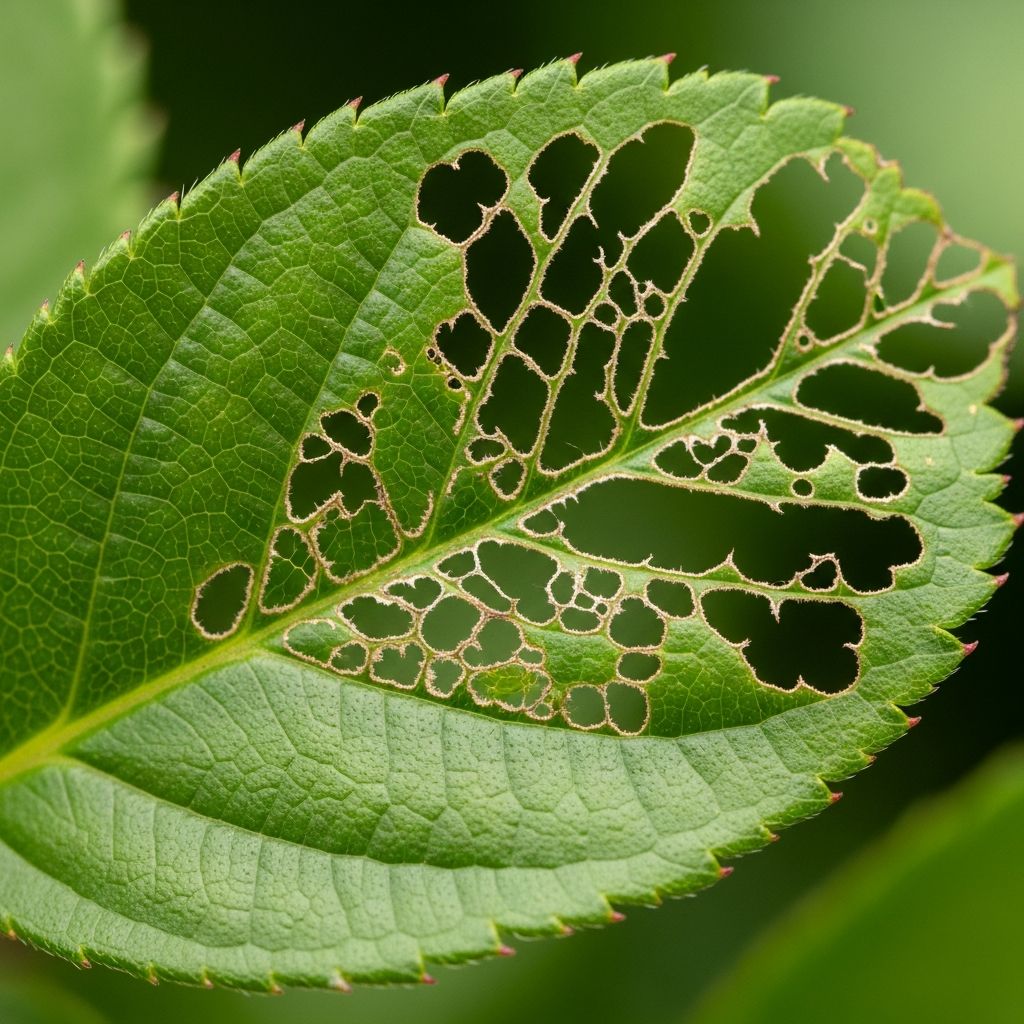
How to Stop Leaf-Eating Beetles From Ruining Your Garden
Leaf-eating beetles can turn lush vegetable beds and ornamental borders into lace overnight, but you can protect your plants with a smart, step-by-step approach. This guide walks through how to recognize beetle damage, prevent infestations, and choose safe and effective control methods tailored to your garden.
Why Leaf-Eating Beetles Are Such a Problem
Leaf-eating beetles feed on the soft tissue of leaves, flowers and sometimes stems, which weakens plants and can stunt growth or even kill young seedlings. While a few holes on mature plants usually are not fatal, repeated or heavy feeding can reduce yields, stress shrubs and trees, and leave plants vulnerable to disease.
Understanding how these insects live and feed helps you choose the most effective way to intervene, starting with accurate identification and early action before populations explode.
Recognizing Beetle Damage Before It Spreads
Different beetles leave characteristic feeding patterns, but most chew visible holes or notches that stand out against otherwise healthy foliage. Inspecting both leaves and surrounding soil helps you determine whether you are dealing with beetles or another pest, such as caterpillars or slugs.
Use the table below as a quick reference for common damage types and what they often indicate.
| Damage pattern | Likely culprit | Typical host plants |
|---|---|---|
| Numerous small, round “shot” holes scattered across leaves | Small jumping beetles such as flea beetles | Radishes, arugula, cabbage, eggplant, tomatoes |
| Edges of leaves chewed into irregular notches | Various leaf beetles and garden scarab beetles | Beans, roses, basil, many ornamentals |
| Leaves skeletonized so only veins remain | Heavier-feeding beetles like Japanese beetles | Roses, grapes, linden trees, many perennials |
| Seedlings clipped or stripped almost overnight | Swarming or nocturnal beetles feeding in groups | Young vegetable starts and tender annuals |
How to Confirm Beetles Are the Culprit
Because several insects can create similar-looking damage, it is important to catch the beetles themselves before choosing a treatment. Many leaf-eating beetles are most active at specific times of day, so timing your inspection makes a big difference.
Follow these simple steps to verify that beetles, not slugs or caterpillars, are eating your plants:
- Check early morning and evening, when many beetles move more slowly and are easier to spot on foliage.
- Look on the undersides of leaves and along stems, where beetles often hide from predators and sun.
- Gently tap stems over a white tray, sheet or piece of paper; beetles that jump or drop will become visible as they fall.
- Examine the soil surface and mulch at the base of plants for resting adults or larvae during the day.
Understanding the Beetle Life Cycle
Most leaf-eating beetles go through four life stages: egg, larva, pupa and adult, often spending part of the year hidden in soil or plant debris. Adults feed and lay eggs on or near suitable host plants, while larvae may feed on roots, lower stems or the undersides of leaves.
Knowing when beetles are in their vulnerable stages lets you time your controls more effectively, such as disturbing soil to expose pupae or applying treatments when young larvae are just emerging and easier to manage.
Integrated Strategy: Combine Prevention and Control
The most reliable way to protect a garden from leaf-eating beetles is to combine several tactics rather than relying on one strong chemical spray. This approach, often called integrated pest management, emphasizes monitoring, prevention, targeted treatments and support for beneficial insects.
By layering multiple low-risk strategies, you reduce damage, limit chemical use, and create a more resilient garden that can tolerate occasional pest visits without collapsing.
Garden Design Choices That Discourage Beetles
Thoughtful plant selection and layout can dramatically reduce beetle pressure before you ever reach for a sprayer or dust. Some beetles focus on specific host plants, so concentrating those plants or placing them near existing infestations can invite trouble.
Use these design strategies to make your space less attractive to leaf-eating beetles:
- Diversify plantings: Mix vegetables with herbs and flowers rather than planting long monoculture rows that are easy for beetles to find and exploit.
- Separate high-risk hosts: Avoid clustering known beetle favorites together; spread them out or interplant them with less-attractive species.
- Choose resistant varieties: When available, select cultivars described as tolerant or resistant to common beetle pests in your region.
- Plant decoy or trap crops: In some gardens, sacrificing a small patch of a favorite plant at the edge of the bed can lure beetles away from your main harvest.
Everyday Cultural Practices That Keep Beetle Numbers Down
Simple maintenance habits go a long way toward reducing places where beetles can hide, breed and overwinter. While these steps may feel routine, they form the foundation of any successful long-term control plan.
- Clear plant debris promptly: Remove spent crops, fallen leaves and dead stems where beetles and their larvae may shelter.
- Refresh mulch layers: Replace or thin heavy mulch where beetles are hiding, and avoid piling mulch directly against stems.
- Water and fertilize wisely: Healthy plants bounce back from small amounts of feeding, so keep them growing vigorously without over-fertilizing with high-nitrogen products that attract pests.
- Rotate crops: Move susceptible vegetables, such as beans or brassicas, to new spots each year so beetles emerging from the soil do not immediately find their preferred food.
Encouraging Natural Beetle Predators
Birds, predatory beetles, parasitic wasps and other beneficial creatures consume leaf-eating beetles and their larvae, providing free pest control when their needs are met. By shifting your mindset from “kill all insects” to “support the right insects,” you can gradually reduce the intensity of outbreaks.
To attract and protect natural enemies in your yard, consider these steps:
- Grow a mix of nectar and pollen-rich flowers that bloom from spring through fall to feed beneficial insects.
- Provide water sources such as shallow dishes with stones, which give insects and birds a place to drink safely.
- Limit or avoid broad-spectrum insecticides, especially during daylight hours when non-target insects are active.
- Leave some undisturbed habitat, such as small brush piles or perennial borders, as shelter for predators.
Mechanical Controls: Hands-On Ways to Remove Beetles
Physical removal methods are often the fastest, safest options in home gardens, particularly when infestations are just beginning or limited to a few plants. While they require some time and attention, they can dramatically reduce beetle populations without harming beneficial organisms.
Here are practical mechanical tactics that work well in most backyards:
- Hand-picking: Drop adult beetles into a container of soapy water; doing this in the cool morning or evening makes them easier to grab or shake off foliage.
- Vacuuming: For large numbers on foliage, a handheld vacuum dedicated to outdoor use can quickly collect clusters before they scatter.
- Row covers and netting: Fine mesh or fabric covers installed over young plants keep beetles from reaching leaves in the first place; support them on hoops so they do not rest directly on foliage.
- Sticky traps and monitoring cards: While not a complete control by themselves, these tools help gauge population levels and may catch some adult beetles near particularly vulnerable beds.
Organic and Low-Impact Treatment Options
When manual removal is not enough, targeted organic products can bridge the gap, especially for edible crops where many gardeners prefer to avoid conventional chemicals. The key is to apply them carefully, with attention to timing and label instructions, so they affect pests more than beneficial insects.
Common low-impact options include:
- Insecticidal soaps: Spray directly on beetles to disrupt their outer coatings; these work on contact and have little residual action.
- Botanical oils: Certain plant-based oils and extracts can repel or smother soft-bodied stages; always test on a few leaves first to check for sensitivity.
- Biological products: Some microbially derived insecticides target specific beetle larvae or related pests; these are most effective when used at the right time in the life cycle.
Using Conventional Insecticides Carefully and Strategically
In severe or persistent infestations, especially on ornamental plants where harvest is not a concern, conventional insecticides may be part of a balanced strategy. These products can provide longer-lasting protection but also carry higher risk for non-target organisms when used carelessly.
To use traditional insecticides as safely and effectively as possible:
- Choose products specifically labeled for both the beetle species and plant type you are treating.
- Apply at times of day when bees and other pollinators are least active, usually early morning or late evening.
- Target only affected plants and avoid spraying during windy conditions that can cause drift.
- Rotate active ingredients between seasons to help slow the development of resistance in beetle populations.
Protecting Seedlings and Young Plants
Newly planted seedlings are the most vulnerable to beetle feeding because they have very little foliage to spare. A single night of intense activity can wipe out an entire bed if young plants are unprotected.
To shield emerging crops from early-season beetle damage, use a combination of barriers and careful timing:
- Install row covers or mesh over beds immediately after sowing or transplanting, and keep them in place until plants are well established.
- Delay planting particularly susceptible crops until temperatures and weather conditions are less favorable to peak beetle activity in your area.
- Start sensitive plants indoors or in a sheltered cold frame so they reach a sturdier size before moving them into exposed garden beds.
Sample Seasonal Beetle Management Plan
Because beetle pressure changes throughout the year, it helps to think in terms of a seasonal plan rather than a one-time fix. The outline below sketches a general pattern you can adapt to your own climate and pest species.
| Season | Primary actions |
|---|---|
| Early spring | Clean up debris, refresh mulch, install row covers over high-risk beds, begin weekly inspections. |
| Late spring to midsummer | Monitor daily during peak beetle activity, hand-pick or vacuum, use organic sprays as needed, support beneficial insects with continuous bloom. |
| Late summer | Remove heavily infested plants, rotate crops, thin dense foliage where beetles hide, continue selective treatments. |
| Fall | Pull spent crops, compost disease-free material, disrupt soil where beetles may overwinter, plan next year’s crop layout. |
Common Mistakes That Make Beetle Problems Worse
Well-intentioned but poorly timed actions can unintentionally feed beetles, protect them from predators or harm the very allies that would keep them in check. Avoiding a few frequent missteps can dramatically improve your results with only minor changes in routine.
- Over-fertilizing with nitrogen: Excessively lush, tender growth attracts hungry beetles and other chewing pests.
- Spraying broad-spectrum insecticides by default: Wiping out beneficial insects often creates worse outbreaks in the long term.
- Neglecting monitoring: Waiting until leaves are riddled with holes makes control harder and more expensive.
- Leaving infested plants in place too long: Severely damaged plants can serve as ongoing reservoirs for beetles that spread to healthier beds.
Frequently Asked Questions
Are a few holes in leaves always a problem?
Not necessarily. Most mature, healthy plants can tolerate light feeding without any meaningful impact on growth or yield, and some cosmetic damage is a normal part of gardening outdoors. The time to intervene aggressively is when damage is spreading quickly, affecting young plants or concentrating heavily on a single crop you value.
Will beetles go away on their own?
Some beetle species appear suddenly and then move on after a short feeding period, but others establish recurring, seasonal populations that return every year. Assuming they will vanish without any action often leads to heavier infestations as they reproduce and overwinter in nearby soil and debris.
Can I protect my vegetables without using synthetic chemicals?
Yes, in many home gardens a combination of row covers, hand-picking, crop rotation, plant diversity and selected organic products provides plenty of protection. Success depends on consistency and early detection, so be ready to inspect plants regularly and respond quickly when beetles first appear.
Are beetle traps a good idea near vegetable beds?
Attractant traps can capture large numbers of certain beetles, but they also draw insects into the area from surrounding landscapes. Unless they are placed at a distance where beetles will not easily find your crops, traps sometimes increase damage rather than reducing it.
How do I know when it is time to use stronger insecticides?
For most home gardeners, stronger products are a last resort reserved for situations where manual and organic methods have failed, and the health or survival of important plants is clearly at risk. Before using any high-powered insecticide, confirm the pest, read the label carefully and consider whether selective spot treatments could solve the problem with less collateral impact.
Building a Garden That Can Withstand Beetles
Leaf-eating beetles are a fact of life in almost every climate, but they do not have to dictate the success of your garden. By blending good design, supportive habitat for natural predators and a thoughtful mix of mechanical and chemical tools, you can keep damage in check while still gardening in a way that aligns with your values.
Over time, the goal shifts from eliminating every beetle to maintaining a living, resilient landscape where plants, insects and people can coexist—and where your harvest ends up on your table instead of in a beetle’s belly.
Similar Articles







Read full bio of medha deb