Ultimate Guide to Granite Composite Sink Care
Master the art of cleaning and maintaining your granite composite sink for lasting beauty and functionality with expert tips.
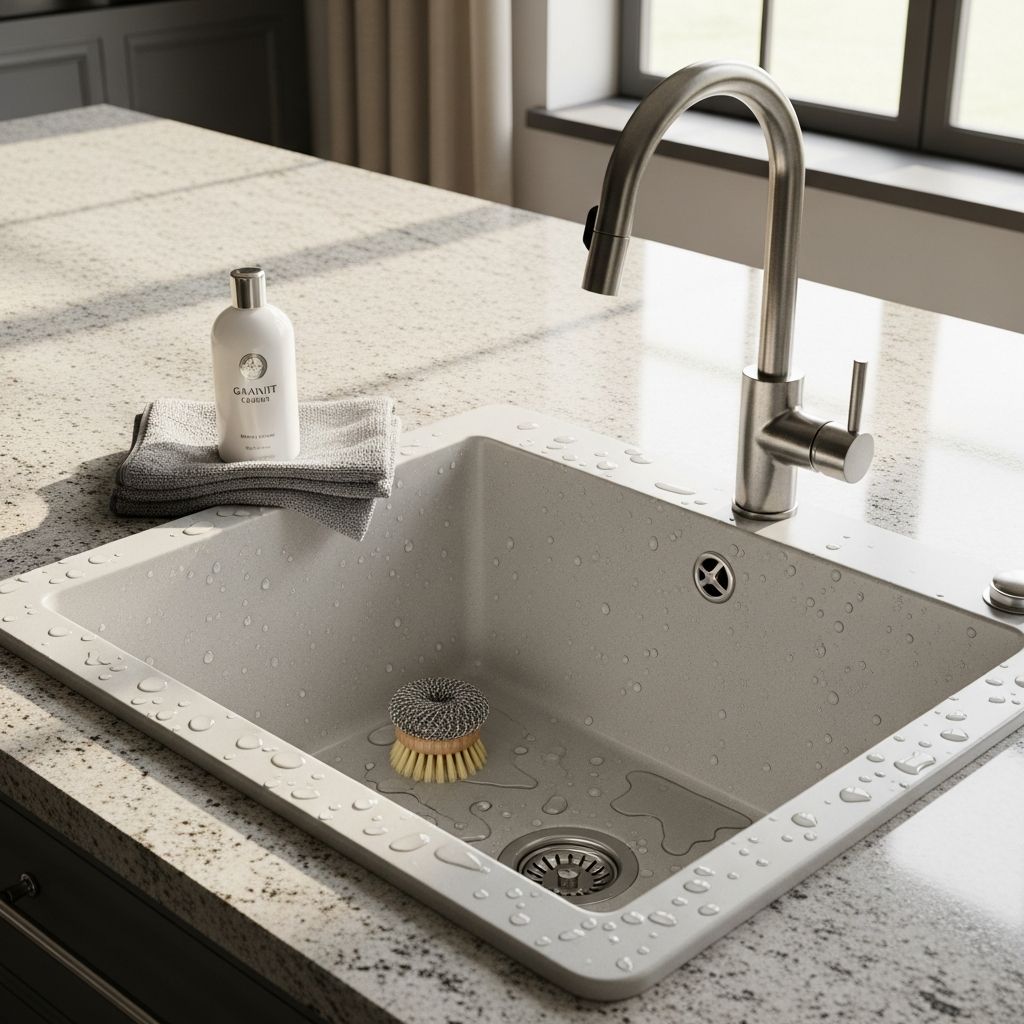
Granite composite sinks blend durability with aesthetic appeal, making them a popular choice for modern kitchens. Composed of crushed granite and acrylic resin, these sinks resist scratches and heat better than stainless steel options. Proper maintenance preserves their sleek finish and prevents common issues like mineral buildup and discoloration. This guide provides step-by-step instructions for everyday upkeep, deep cleaning, and specialized treatments.
Understanding Granite Composite Sink Materials
These sinks feature a non-porous surface that repels bacteria and stains effectively. Unlike natural stone, the composite material withstands daily wear without etching from acidic foods. However, exposure to harsh abrasives or extreme temperature changes can dull the finish over time. Manufacturers recommend gentle cleaners to maintain the sealed surface integrity.
Key properties include high impact resistance and thermal stability up to certain limits. Always run cold water when adding boiling liquids to avoid thermal shock, as direct heat from pots can cause cracks. Regular care extends the lifespan, often exceeding 10-15 years with consistent habits.
Daily Cleaning Routines for Optimal Shine
Incorporate a simple post-use ritual to prevent residue accumulation. After washing dishes, rinse the sink thoroughly with warm water to remove soap and food particles. Follow with a wipe-down using a soft microfiber cloth or sponge saturated in mild dish soap diluted in water.
- Rinse sink after every use to flush debris.
- Apply soapy water with a non-abrasive sponge.
- Wipe in circular motions for even coverage.
- Rinse again and dry immediately with a clean towel.
Drying eliminates water spots, especially in hard water areas. This 2-minute routine wards off 90% of common problems like soap scum. For busy households, keep a dedicated sink sponge nearby for quick touch-ups.
Tackling Hard Water Stains and Mineral Deposits
Hard water leaves white, chalky residues from calcium and magnesium buildup. A 50/50 white vinegar and water solution dissolves these effectively without damaging the surface.
- Spray the mixture generously on affected areas.
- Allow 15-30 minutes dwell time for breakdown.
- Scrub gently with a soft brush or sponge.
- Rinse thoroughly and dry to prevent streaks.
For persistent deposits, repeat or use a product like CLR, testing in a hidden spot first. Avoid undiluted vinegar on colored sinks to prevent fading.
Removing Stubborn Stains and Discoloration
Food dyes, coffee, or grease create tough spots. Start with a baking soda paste: mix equal parts baking soda and water, apply, let sit 5-10 minutes, then scrub. For deeper cleaning, Bar Keepers Friend soft cleanser works well on black sinks, applied with a non-scratch pad like Scrub Daddy.
| Stain Type | Recommended Method | Tools Needed |
|---|---|---|
| Soap Scum | Magic Eraser with vinegar solution | Mr. Clean Magic Eraser, microfiber cloth |
| Organic Stains (coffee, wine) | Baking soda paste | Soft nylon brush |
| Mineral Deposits | Vinegar spray + scrub | Soft toothbrush |
| Haze on Black Sinks | Bar Keepers Friend | Non-scratch sponge |
Always rinse multiple times post-cleaning to remove residues, which can etch if left behind.
Special Considerations for Black Granite Composite Sinks
Dark sinks highlight water spots and haze more visibly. Daily Bar Keepers Friend applications followed by thorough rinsing restore luster. After deep cleans, buff with mineral oil using a dry microfiber towel for a protective sheen and to mask micro-scratches.
Avoid leaving moisture overnight; use a two-towel system—one damp for wiping, one dry for buffing. This prevents the hazy film common on black surfaces from evaporated minerals.
Maintaining White Granite Composite Sinks
Light sinks show stains from spills like tea or sauce prominently. Prompt blotting with a vinegar-dampened cloth prevents set-in marks. For scum buildup, a pH-neutral stone cleaner fails against minerals; opt for acidic solutions sparingly.
- Immediately clean colored spills.
- Use baking soda for gentle abrasion.
- Dry meticulously to avoid white haze.
White sinks benefit from weekly vinegar soaks to dissolve accumulating deposits without color alteration.
Deep Cleaning and Restoration Protocols
Quarterly deep cleans rejuvenate tired sinks. Combine vinegar solution with a Scotch-Brite Heavy Duty pad for tough grime, using circular motions. Follow with a full rinse and dry cycle.
For restoration:
- Deep clean all scum and deposits.
- Apply a reviving treatment if available from manufacturer.
- Polish with oil for protection.
Neglected sinks develop etched textures; early intervention with non-abrasive tools repairs superficial damage.
What to Avoid: Common Mistakes and Pitfalls
Harsh chemicals like bleach, oven cleaners, or paint thinners erode the resin binder. Abrasive pads, steel wool, or powdered cleaners scratch the matte finish permanently.
- No hot pots directly on surface—use trivets.
- Avoid straight bleach; dilute if necessary and rinse immediately.
- Steer clear of ammonia-based products on sealed composites.
Over time, these errors lead to dulling and reduced stain resistance.
Preventive Maintenance for Longevity
Invest in a sink grid or mat to protect from scratches and heat. Weekly oiling on black sinks maintains depth of color. Track water quality; install a softener if minerals are high.
Seasonal checks ensure no hidden buildup under the rim. With these habits, your sink retains factory-fresh appeal indefinitely.
Frequently Asked Questions (FAQs)
Can I use bleach on my granite composite sink?
Use diluted bleach sparingly and rinse immediately; avoid undiluted versions to prevent surface damage.
How often should I deep clean my sink?
Perform deep cleans monthly or quarterly, depending on usage and water hardness.
Is Bar Keepers Friend safe for black sinks?
Yes, the soft cleanser version with a non-scratch sponge effectively removes haze without harm.
What causes white haze on my sink?
Haze results from soap scum and evaporated mineral deposits; vinegar and scrubbing resolve it.
Should I oil my granite composite sink?
Mineral oil benefits black sinks post-cleaning for shine and protection, but test first.
Tools and Products Shopping List
- Mild dish soap
- White vinegar
- Microfiber cloths (pack of 6)
- Non-scratch sponges (Scrub Daddy)
- Bar Keepers Friend soft cleanser
- Mr. Clean Magic Eraser
- Soft nylon brush
- Mineral oil (food-grade)
Stock these for effortless maintenance.
References
- How to Clean a Quartz or Granite Composite Sink — Ruvati USA. 2023. https://www.ruvati.com/how-to-clean-your-granite-composite-or-quartz-kitchen-sink/
- Composite Granite Sink Care And Cleaning Guide — Moen Solutions. 2023. https://solutions.moen.com/Article_Library/Composite_Granite_Sink_(Introduced_in_2019):_Care_And_Cleaning_Guide
- The Best Way To Clean a Black Composite Silgranit Sink — YouTube (Video). 2023. https://www.youtube.com/watch?v=6BgcXyFbyjY
- White Haze on Granite Composite Sinks: 2025 Fix Guide — Supreme Surface Cleaners. 2025-01-01. https://supremesurfacecleaners.com/blogs/composite-sink-care-and-maintenance/white-haze-on-granite-composite-sinks
- How to care for a SILGRANIT sink — BLANCO. 2024. https://www.blanco.com/us-en/service/cleaning-and-care/how-to-clean-a-silgranit-sink/
Similar Articles







Read full bio of medha deb