Green Car Hacks for Eco-Driving
Discover practical, low-cost strategies to slash your car's emissions, boost fuel savings, and drive greener without buying a new vehicle.
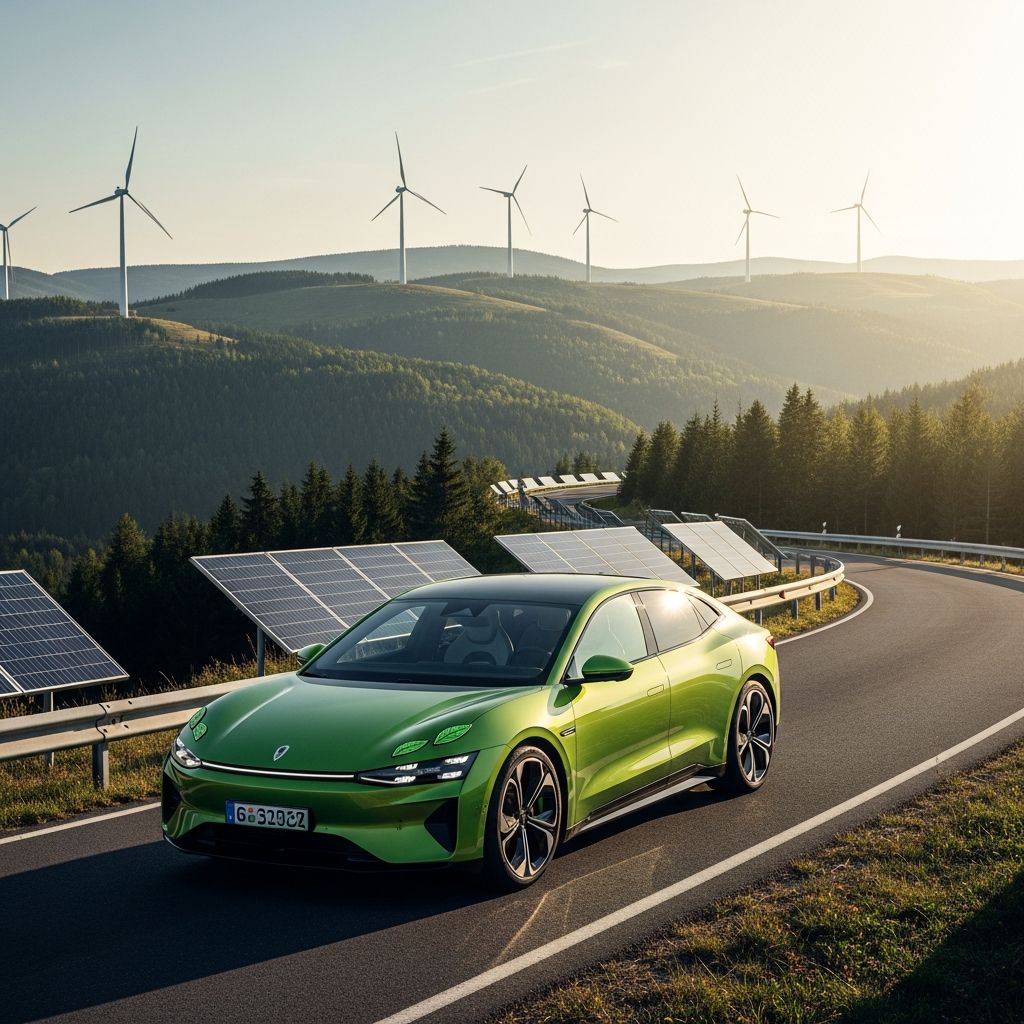
Transforming your everyday vehicle into an environmentally conscious machine doesn’t require expensive overhauls or switching to electric. With targeted adjustments to maintenance, driving habits, and simple modifications, drivers can significantly lower fuel consumption, reduce harmful emissions, and extend vehicle life. These strategies draw from proven engineering principles and everyday practices, making sustainability accessible for all car owners.
Mastering Maintenance for Peak Efficiency
Regular upkeep forms the foundation of an eco-friendly car. Neglected components like engines and tires waste fuel and spew excess pollutants. Start with tire pressure: underinflated tires increase rolling resistance, forcing the engine to work harder. Check pressures monthly using a gauge, aiming for the manufacturer’s recommended PSI listed on the door jamb. Properly inflated tires can improve fuel economy by up to 3%, according to automotive efficiency studies.
Engine tune-ups are equally vital. A well-tuned engine burns fuel more completely, cutting emissions. Replace air filters every 12,000 miles or annually, as dirty ones restrict airflow and drop mileage by 10%. Spark plugs and fuel injectors should be inspected during oil changes. Switching to synthetic oil reduces friction and allows longer intervals between changes, enhancing performance while minimizing waste oil disposal impacts.
- Rotate tires every 6,000 miles to ensure even wear and balanced handling.
- Align wheels annually to prevent pulling, which leads to uneven tire degradation and higher fuel use.
- Keep the fuel system clean with occasional additives designed for injectors, avoiding buildup that hampers combustion.
Adopt Smart Driving Techniques
Driving style profoundly affects environmental footprint. Aggressive habits like rapid acceleration and hard braking burn 15-30% more fuel on highways. Smooth, anticipatory driving—easing onto the gas and braking gradually—conserves energy. Maintain steady speeds using cruise control on open roads, which stabilizes throttle input and optimizes consumption.
Obey speed limits: above 50 mph, drag rises exponentially, slashing efficiency. Combine errands into single trips to minimize cold starts, which produce disproportionate emissions. Avoid idling; if stopped longer than 10 seconds, shut off the engine. Modern starters handle frequent restarts without excess wear.
| Driving Habit | Fuel Savings Potential | Environmental Benefit |
|---|---|---|
| Smooth acceleration | 10-20% | Lower CO2 output |
| Cruise control use | 5-10% | Reduced throttle fluctuations |
| No idling | Up to 15% | Zero tailpipe emissions during stops |
Lighten the Load and Streamline Aerodynamics
Excess weight demands more power to move. Audit your trunk and interior: remove unused sports gear, tools, or roof racks when not needed. Every 100 pounds shed boosts mileage by 1-2%. Opt for lightweight alternatives, like aluminum wheels over steel, to cut unsprung mass and improve handling efficiency.
Aerodynamics matter too. At highway speeds, air resistance accounts for over 50% of fuel use. Add underbody panels to smooth airflow beneath the car, reducing turbulence. Install grille shutters that close at speed to block unnecessary drag while opening for cooling. Replace bulky mirrors with sleeker designs or camera systems, and use low-profile antennas.
- Fit aerodynamic wheel covers to minimize spoke-induced drag.
- Apply vinyl wraps for a smoother exterior surface.
- Test modifications with a simple coast-down: accelerate to 60 mph, shift to neutral, and time deceleration—longer times mean better aero.
Optimize Climate Control and Accessories
Air conditioning strains the engine, consuming up to 20% more fuel when maxed out. Use recirculate mode and set to 72°F; crack windows below 40 mph for ventilation, as AC drag exceeds open-window turbulence at low speeds. Window tints reflect heat, allowing milder settings and comfort without excess power draw.
Auxiliary loads add up: dim lights, remove dash cams when parked, and limit phone chargers. Energy-efficient LED bulbs in interiors reduce alternator burden. For audio upgrades, choose low-power systems over high-wattage amps.
Sustainable Fuel and Product Choices
Select fuels wisely: top off during cooler evenings to avoid expansion losses. Explore biodiesel for diesel engines—renewable and compatible with minimal tweaks. Use eco-products for cleaning: vinegar-water mixes for glass streak-free shine, cutting chemical runoff.
Long-term, variable valve timing kits optimize combustion across RPMs, blending power and thrift. Low-friction coatings on pistons and cams slash internal drag.
Advanced Mods for Enthusiasts
Project car fans can go further with carbon fiber hoods or fenders, dropping weight without strength loss. Exhaust systems with high-flow cats maintain backpressure while curbing pollutants. Front splitters and diffusers channel air precisely, measurable via dynamometer tests showing 5-10% gains.
Interior sustainability shines with upcycled fabrics and reclaimed metals, merging style and ethics. Smart thermostats in cabins minimize HVAC overkill.
Frequently Asked Questions
How much can these hacks save on fuel?
Combined, expect 10-40% improvement, varying by vehicle and habits. Track via apps logging mileage per tank.
Are mods legal and warranty-safe?
Most are reversible and compliant; check local emissions regs and consult dealers for warranty impacts.
What’s the quickest win for beginners?
Tire inflation and smooth driving yield immediate, no-cost results.
Do hybrids benefit too?
Yes, efficiency tweaks amplify electric assist, extending range.
Can I offset remaining emissions?
Invest in verified programs funding renewables or tree-planting.
Long-Term Strategies for Greener Fleets
Beyond hacks, consider carpooling or public transit to cut per-person miles. For businesses, fleet-wide aero kits and training programs scale savings. Carbon offsetting neutralizes unavoidable impacts via certified projects. These steps position vehicles as allies in climate action, proving small changes compound massively.
References
- 13 Ways to Make Your Car More Eco-Friendly and Fuel Efficient — The Zebra. 2023-05-15. https://www.thezebra.com/resources/driving/how-to-make-your-car-eco-friendly/
- Eco-Friendly Car Mods for Power & Efficiency — Private Label Mfg. 2024-02-10. https://privatelabelmfg.com/pages/eco-friendly-car-mods-for-power-efficiency
- 5 Ways to Make Your Vehicle More Eco-Friendly — UCLA Transportation. 2023-08-22. https://transportation.ucla.edu/blog/5-ways-make-your-vehicle-more-eco-friendly
- 7 Ingenious Ways to Make Your Ride More Eco-Friendly — Oceanworks Berkeley. 2024-01-12. https://www.oceanworksberkeley.com/blog/7-ingenious-ways-to-make-your-ride-more-eco-friendly
- Eco-Friendly Project Cars: Exploring Sustainable Modifications for 2024 — Pinalloy. 2024-03-05. https://www.pinalloy.com/blogs/news/eco-friendly-project-cars-exploring-sustainable-modifications-for-2024
Similar Articles





Read full bio of Sneha Tete