Greener Cleaning: How to Cut Waste Without Sacrificing a Sparkling Home
Transform your cleaning routine into an eco-friendly habit that saves money, reduces waste and keeps your home truly fresh.
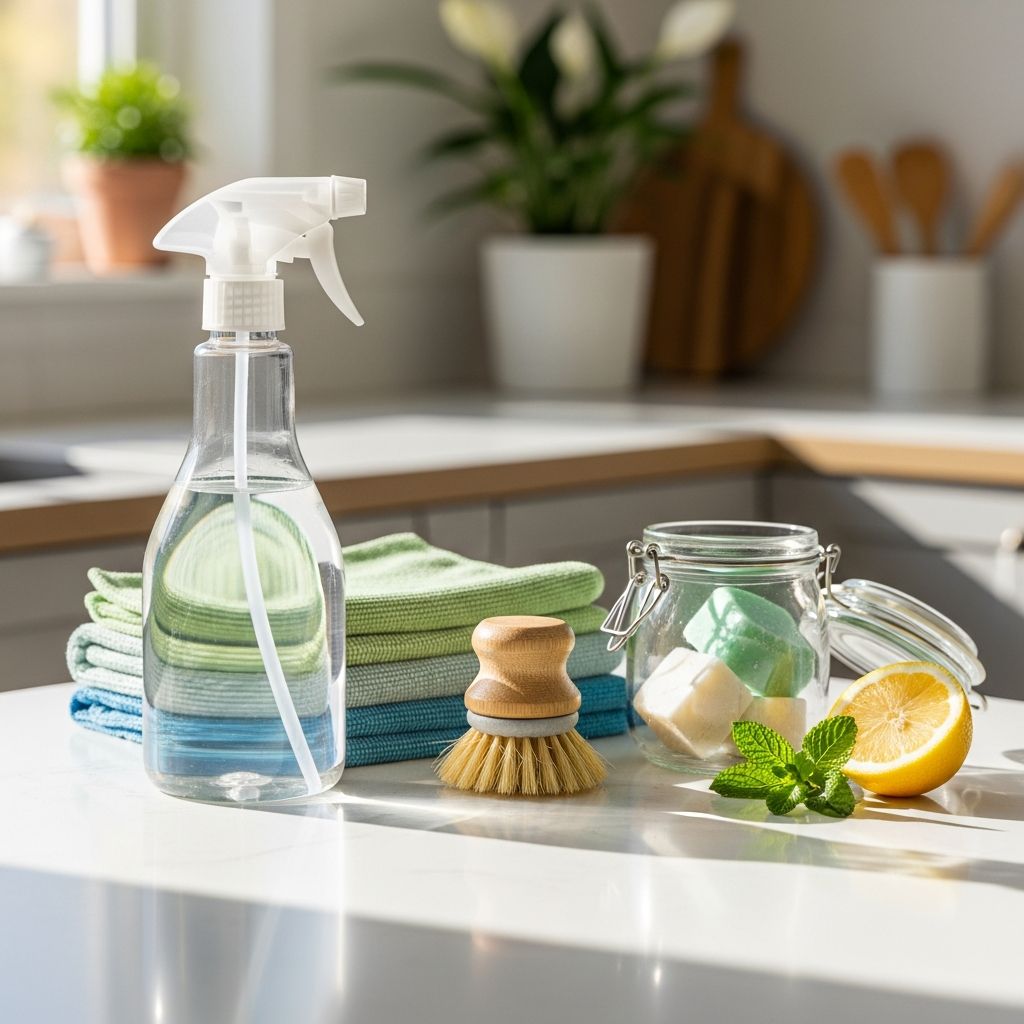
A clean home should not come at the expense of overflowing trash bins, harsh chemicals and mountains of plastic bottles. By rethinking how you buy, use and dispose of cleaning products, you can dramatically reduce waste while keeping every room fresh and healthy.
This guide walks through practical, realistic changes you can make to turn your cleaning routine into a low-waste, eco-conscious habit that also saves time and money over the long term.
Why Rethinking Cleaning Matters
Conventional cleaning routines often rely on disposable wipes, single-use plastic bottles and heavily fragranced formulas that generate unnecessary waste and can affect indoor air quality. Shifting toward greener habits cuts down on trash and creates a healthier living space for people and pets.
Small choices—like using a refill instead of a new bottle, or swapping paper towels for washable cloths—add up quickly when repeated every week or every day across an entire household.
Start With a Waste Audit of Your Cleaning Routine
Before making changes, it helps to understand where most of your waste is coming from. Spend a week paying attention to what you throw away after cleaning and make a simple list.
- Count how many paper towels, wipes or disposable dusters you use in a typical week.
- Note the plastic bottles, spray triggers and packaging you discard when products run out.
- Look at how often you toss worn-out sponges, mop heads or scrub brushes.
Once you see your biggest waste sources, you can target those areas with the most impactful swaps.
Build a Core Kit of Reusable Tools
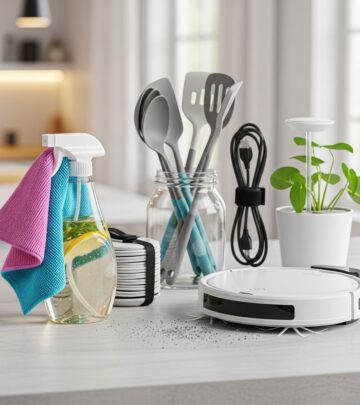
A well-chosen set of reusable tools can replace an entire cabinet of disposable items. Aim for durable, washable materials and designs that can handle multiple tasks around the house.
Cloths and Wipes That Last
- Washable cloths: Use cotton rags, old T-shirts or designated microfiber cloths for dusting, countertops, mirrors and appliances.
- Color-coding: Assign one color for bathrooms, one for kitchen and one for general dusting to reduce cross-contamination.
- Laundry routine: Rinse heavily soiled cloths first, then wash in warm water and line dry when possible to extend their life.
Reusable Scrubbers and Brushes
- Long-lasting brushes: Choose scrub brushes with replaceable heads or sturdy bristles that won’t fall apart after a few uses.
- Dish scrub alternatives: Consider natural fiber brushes or washable sponges rather than single-use pads.
- Dedicated tools: Keep a separate brush for toilets and another for tile or grout to avoid contamination and make cleaning more efficient.
Low-Waste Floor Care
- Washable mop heads: Opt for flat mops or string mops with removable heads that can go straight into the washing machine.
- Dry dusting pads: Replace disposable floor dusting sheets with microfiber pads that pick up dust and can be washed hundreds of times.
- Efficient vacuuming: Use a vacuum with a reusable filter and bagless design if possible, and empty it into your trash or compost if only dust and dirt are inside.
Simplify Your Product Collection
Many households store separate bottles for every surface, which creates clutter and constant packaging waste. By choosing multi-purpose, concentrated or refillable products, you can do more with much less.
Choose Multi-Surface Solutions
- Look for an all-purpose cleaner safe for most sealed surfaces so you can use one product across counters, floors and appliances.
- Use a mild dish soap for more than dishes—when properly diluted, it can handle many small cleaning tasks.
- Reserve specialized cleaners only for jobs that truly need them, like oven degreasers or mineral-removal products.
Go for Concentrated and Refillable Options
- Concentrated liquids: These reduce packaging and shipping weight; you mix them with water at home in a reusable spray bottle.
- Refill stations: When available, refill jugs and sprays at local stores instead of buying new plastic each time.
- Tablet and powder cleaners: Dissolvable tablets or powders in recyclable packaging can replace bulky plastic bottles.
| Traditional Product | Typical Waste Issue | Lower-Waste Alternative |
|---|---|---|
| Pre-moistened cleaning wipes | Single-use sheets and plastic tub | Spray cleaner + washable cloths |
| Single-use dusting pads | Disposable plastic-backed sheets | Washable microfiber dusting pad |
| Large bottled glass cleaner | Frequent replacement plastic bottles | Concentrate or tablet + reusable bottle |
| Heavy-duty floor cleaner in jug | Bulky plastic and high shipping footprint | Highly concentrated formula diluted at home |
Make Simple, Low-Waste DIY Cleaners
Homemade cleaners can cut down on packaging, limit questionable additives and give you full control over ingredients. Focus on simple recipes using items you likely already have in your pantry.
Basic DIY Cleaning Mixes
- All-purpose spray: Combine water with a small amount of mild soap in a reusable spray bottle for everyday wiping.
- Scrubbing paste: Mix a gentle abrasive like baking soda with a bit of liquid soap to tackle sinks, tubs and stovetops.
- Deodorizing shake: Sprinkle a dry cleaner such as baking soda on carpets or rugs before vacuuming to help absorb odors.
When making your own products, always label your containers clearly and avoid mixing ingredients that can react, such as chlorine-based cleaners with anything acidic.
Reduce Water and Energy Waste While You Clean
Waste is not just about packaging. The way you use water and energy during cleaning also affects your environmental footprint and utility bills.
Smart Water Use
- Turn off the tap while scrubbing sinks, showers or dishes instead of letting water run continuously.
- Use a basin or bucket when hand-washing items so you control exactly how much water you use.
- Spot clean where possible to avoid frequent full-room washdowns that require lots of water.
Energy-Saving Laundry Habits
- Wash most loads in cold water to save energy while still getting clothes and cleaning cloths clean.
- Run full loads rather than many small ones, as long as you do not overfill the machine.
- Air-dry some items, such as cloth rags and mop heads, to prolong their life and reduce dryer use.
Tackle Room-by-Room Waste Reduction
Breaking your strategy down by room makes waste reduction more manageable. Each space has unique habits and products you can optimize.
Kitchen
- Store a stack of washable towels and rags in easy reach so they become your first choice instead of paper towels.
- Keep a single multi-surface spray on the counter for quick wipe-downs instead of multiple specialized products.
- Use a dish brush with a replaceable head for long-term use instead of throwaway sponges.
Bathroom
- Designate washable cloths specifically for bathroom surfaces and launder them on a hot or warm cycle.
- Choose a concentrated tub and tile cleaner or DIY scrub paste to avoid piles of plastic containers.
- Hang squeegees and cloths to dry after each use to prevent mildew and extend their life.
Living Areas and Bedrooms
- Use a reusable lint brush or vacuum attachment instead of disposable lint rollers on upholstery and textiles.
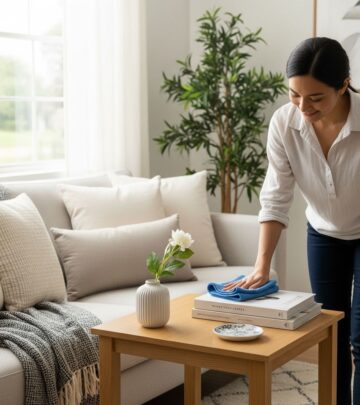
- Dust with a washable microfiber cloth to capture particles without using sprays on every surface.
- Vacuum regularly to reduce the need for heavy-duty carpet spot treatments.
Dispose of Products and Packaging Responsibly
Waste reduction also depends on how you handle what you cannot avoid. When a product is truly finished, responsible disposal ensures fewer harmful substances end up in landfills or waterways.
Recycling and Hazardous Waste
- Rinse empty plastic bottles before recycling to prevent contamination in recycling streams.
- Check local guidelines for containers that held strong chemicals, which may require special disposal.
- Take leftover or outdated cleaning products to community hazardous waste collection events when available.
Composting and Reuse
- Repurpose old cotton clothing and towels as cleaning rags before discarding them.
- If you use natural fiber sponges or brushes, check whether they can be composted when worn out.
- Save glass jars or sturdy containers to store DIY cleaning mixes or spare cloths.
Create a Low-Waste Cleaning Schedule
Consistency is key. A simple schedule prevents grime from building up, which means you can rely on gentler products, use less of them and avoid time-consuming deep cleans.
- Daily: Quick countertop wipes, dishwashing, and a light floor sweep where needed.
- Weekly: Bathroom scrub, vacuuming, mopping high-traffic floors and dusting major surfaces.
- Monthly: Detail tasks such as baseboards, inside appliances and vents.
By spreading tasks out, you can schedule laundry loads for cloths and mop heads efficiently and reduce the temptation to grab disposable options for “emergencies.”
Engage the Whole Household
Waste reduction works best when everyone at home understands the new system. Clear communication helps avoid confusion and makes low-waste routines second nature.
- Show family members where reusable cloths, brushes and refills are stored and how to use them.
- Post a simple reminder chart highlighting which items are reusable, what goes in the wash and what gets recycled.
- Offer easy roles for kids, such as collecting cloths for the laundry or helping mix a safe DIY spray.
FAQs About Low-Waste Cleaning
Do reusable cloths actually get things clean enough?
Yes, when used properly, washable cloths clean as well as or better than disposables. The key is to launder them regularly, use the right cloth for each task and allow them to dry fully between uses.
Is it expensive to switch to greener cleaning tools?
Many eco-friendly changes save money over time. While a set of reusable cloths or a refillable system might cost more upfront than a pack of wipes, they last far longer and reduce how often you buy new products.
Can DIY cleaners replace all store-bought products?
Simple homemade cleaners can handle many everyday tasks like general wiping, mild scrubbing and deodorizing. However, you may still want a few specialized store-bought products for heavy-duty jobs or specific surfaces.
How can I avoid strong chemical smells while still disinfecting?
Look for fragrance-free or lightly scented products when you need to disinfect and ventilate the space by opening windows or using fans. Reserve heavy-duty disinfectants for high-risk areas or when someone is ill, rather than using them for every routine wipe-down.
What is the simplest first step toward a low-waste routine?
Begin with one easy swap, such as replacing paper towels with a stack of washable cloths or choosing a concentrated, refillable all-purpose cleaner. Once that feels natural, add another change so your routine evolves gradually without feeling overwhelming.
Final Thoughts
Reducing waste in your cleaning routine is less about perfection and more about consistent, thoughtful habits. By investing in reusable tools, simplifying your product lineup and paying attention to how you use water and energy, you can keep your home spotless while significantly shrinking your environmental footprint.
Similar Articles





Read full bio of medha deb