Grow Apricot Trees From Seeds: Complete Home Guide
Unlock the secrets to cultivating vibrant apricot trees from everyday seeds with proven, step-by-step techniques for home gardeners.
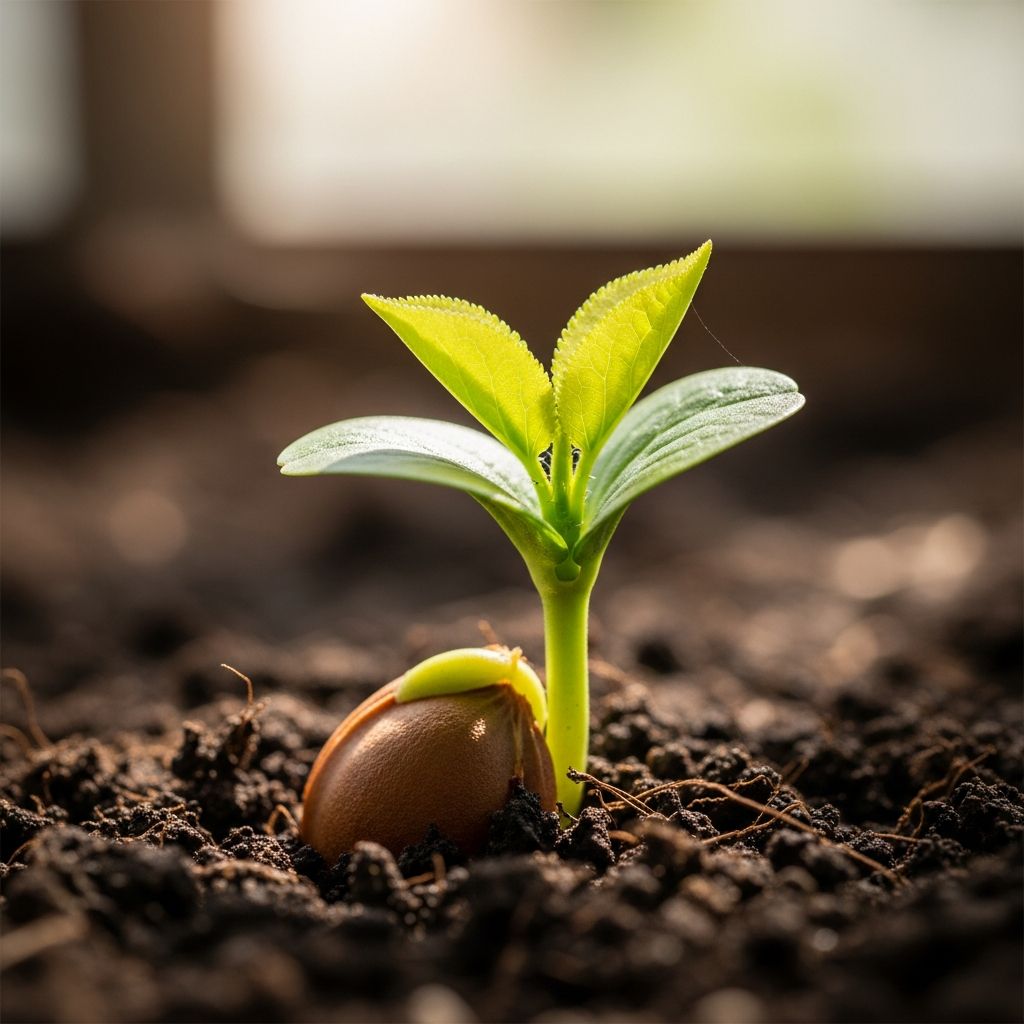
Transform simple apricot pits into thriving trees that yield sweet, juicy fruit. This process requires patience and specific techniques like cold stratification to mimic natural winter conditions, ensuring high germination rates.
Why Cultivate Apricot Trees from Seeds?
Starting apricot trees from seeds offers gardeners a rewarding way to propagate unique varieties at no cost. Unlike grafted nursery trees, seed-grown specimens often develop distinct flavors and resilience tailored to your local climate. Apricots (*Prunus armeniaca*) thrive in USDA zones 5-9, producing fruit after 3-7 years with proper care. Home propagation allows experimentation with heirloom types, potentially yielding superior taste profiles not found in commercial stock.
Success rates hover around 70-80% with optimal methods, far surpassing direct planting without preparation. This approach not only saves money but also connects you to the full lifecycle of fruit production, fostering self-sufficiency in your garden.
Selecting and Preparing High-Quality Seeds
Begin with ripe, locally sourced apricots for the best viability. Choose soft, flavorful fruits from farmers’ markets or orchards—varieties like ‘Moorpark’ or ‘Harcot’ excel due to their genetic vigor. Grocery store apricots, often harvested unripe, yield lower germination, around 30%.
- Harvest pits: Eat or juice the fruit, then clean pits thoroughly under running water to remove all flesh, preventing mold.
- Crack the shell: Use vice grips, a hammer, or nutcracker to gently split the hard outer husk without damaging the inner kernel. Removing this barrier accelerates sprouting by allowing easier emergence.
- Extract kernel: Pry out the almond-shaped seed. Dry it for 1-2 days in a shaded, airy spot.
Avoid damaged or shriveled seeds; test viability by floating in water—sinkers are viable, floaters often aren’t.
The Essential Role of Seed Stratification
Apricot seeds require stratification—a simulated winter period—to break dormancy. This triggers hormonal changes, signaling safe germination conditions post-frost.
| Method | Duration | Temperature | Success Rate Insight |
|---|---|---|---|
| Cold Stratification (Recommended) | 30-90 days | 35-45°F (2-7°C) | 100% in tests; fastest sprouting |
| Wet Stratification (Room Temp) | 60+ days | 50-60°F (10-15°C) | Delayed; requires fridge transfer |
| Direct Sowing (No Prep) | Variable | Natural winter | Low; inconsistent |
Cold method steps: Soak kernels in lukewarm water for 12-24 hours (optional, as tests show minimal impact). Place in moist—not soggy—paper towel, seal in zip-top bag, and refrigerate. Check weekly for mold; sprouts appear as white roots in 4-8 weeks.
Stratification mimics nature: seeds sense prolonged cold and moisture before committing energy to growth, protecting against untimely sprouting.
Planting Your Sprouted Seeds
Once roots emerge (0.5-1 inch long), transplant promptly to avoid root tangling. Use 12-18 inch deep pots for initial growth.
- Soil mix: Blend 50% peat moss or coco coir, 30% sand or perlite, 20% compost for pH 6.0-7.0 drainage and nutrients.
- Planting depth: Position root-down, 1-2 inches deep. Water lightly (100ml) to settle soil.
- Location: Indoors near south-facing window or under grow lights (16 hours/day); maintain 65-75°F (18-24°C).
Cover pots with plastic domes until shoots break soil (2-3 weeks), then remove for air circulation. Avoid full sun initially to prevent scorching.
Nurturing Young Apricot Saplings
Saplings demand consistent care to establish strong roots and foliage.
Light and Temperature Essentials
Provide 6-8 hours of direct sunlight daily. South-facing windows or LED grow lights suffice indoors. Day temps: 65-85°F; nights above 50°F. Frost kills tender shoots—use thermometers to monitor.
Watering and Feeding
Water when top inch of soil dries; overwatering causes rot. Use room-temperature water. Fertilize monthly with diluted balanced (10-10-10) liquid feed after true leaves appear. Transition to slow-release granules in pots.
Repotting Timeline
- 6-12 months: Upgrade to 5-gallon pots if roots circle bottom.
- Year 2: Harden off outdoors (7-10 days gradual exposure) before permanent planting.
Ideal site: Full sun, well-drained loamy soil, pH 6.0-7.0, sheltered from wind. Space 15-20 feet apart; self-fertile varieties like ‘Harcot’ benefit from pollinator companions.
Overcoming Common Challenges
Growing from seed presents hurdles, but awareness boosts success.
- Low germination: Ensure full shell removal and 60+ day cold exposure.
- Damping off: Improve airflow, avoid overwatering; sterilize tools/soil.
- Pests: Aphids or spider mites—neem oil spray weekly.
- Transplant shock: Plant in spring; mulch roots for stability.
Seedlings may not match parent fruit due to cross-pollination, but this variability often yields exciting discoveries.
From Sapling to Fruit-Producing Tree
Patience defines success: blossoms in 3-5 years, fruit in 5-7. Trees reach 15-20 feet, needing annual pruning (late winter) to shape and remove deadwood. Provide 700-800 chill hours for bud set.
Harvest when fruit softens and colors deepen. Yields increase with a second tree for pollination. Protect from birds with netting.
Advanced Tips for Prolific Yields
Experiment with stratification batches for reliability. Track progress in a journal. For containers, use dwarf rootstocks later via grafting. Companion plant with nitrogen-fixers like clover to enrich soil.
Frequently Asked Questions
Can all apricot seeds grow into fruiting trees?
Most will grow trees, but fruit quality varies genetically. About 70% germinate properly with stratification.
How long until my tree bears fruit?
Expect 5-7 years from seed to first harvest, faster if grafted later.
Do I need to soak seeds before stratifying?
Optional; experiments show no significant difference in sprouting speed or rate.
What’s the best climate for apricot trees?
Zones 5-9 with cold winters (chill hours) and hot, dry summers. Avoid humid areas prone to fungal issues.
Can I plant pits directly in the ground?
Possible in fall for natural stratification, but indoor pre-treatment yields higher success.
References
- How to Grow an Apricot Tree from Seed — MonteGatta Farm. Accessed 2026. https://montegattafarm.com/garden/how-to-grow-an-apricot-tree-from-seed/
- Growing an Apricot from a Pit — Gardening Know How. Accessed 2026. https://www.gardeningknowhow.com/edible/fruits/apricots/growing-an-apricot-from-a-pit.htm
- Germinating Apricot Seeds — PalmTalk Forum (user experience). 2014-04-01. https://www.palmtalk.org/forum/topic/56221-germinating-apricot-seeds/
Similar Articles



Read full bio of medha deb