Grow Basil From Cuttings: Step-By-Step Guide
Master propagating basil from cuttings for endless fresh herbs at home with simple, step-by-step techniques.
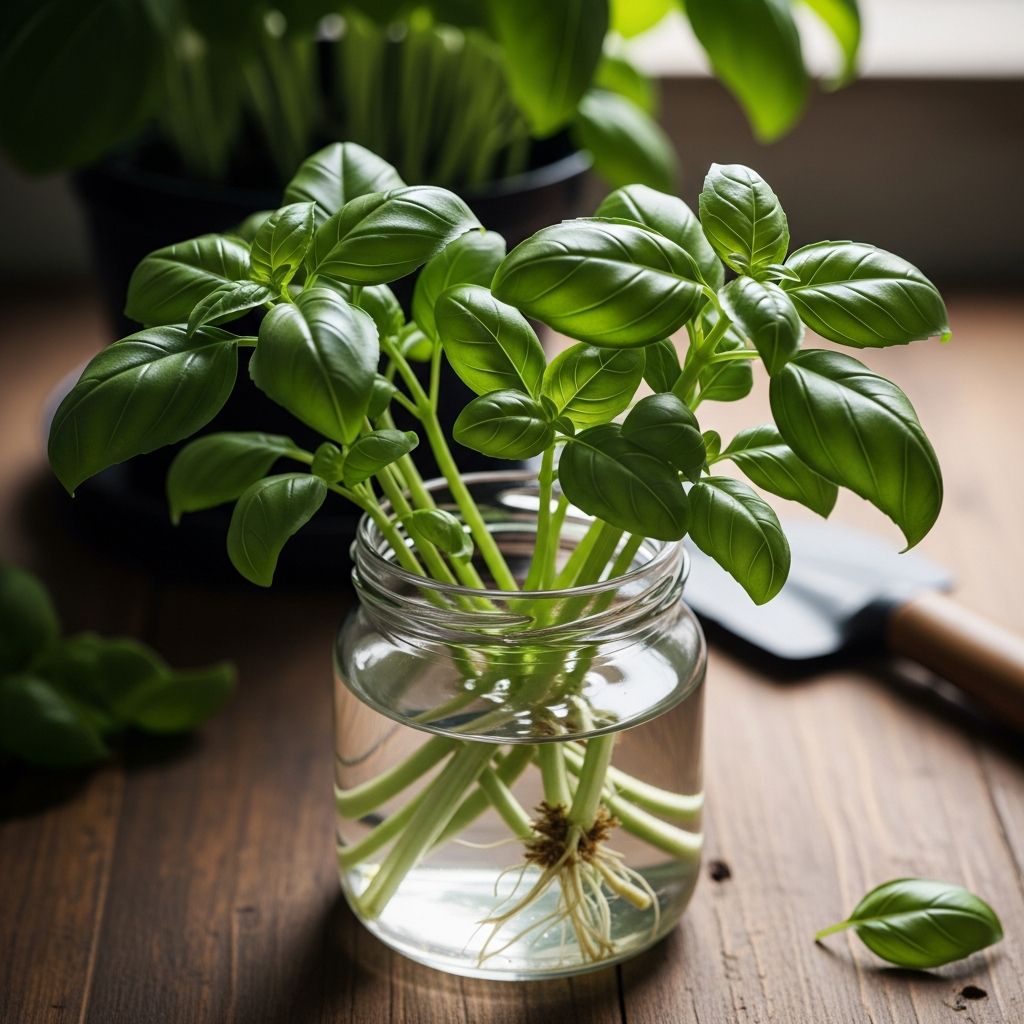
Propagating basil from cuttings offers gardeners a simple, cost-effective way to multiply plants and enjoy fresh herbs throughout the year. This method bypasses seeds, delivering quicker results and identical clones of your favorite varieties. Whether you’re extending summer basil into winter or creating backups, mastering cuttings ensures a steady supply for pesto, salads, and more.
Why Choose Cuttings for Basil Multiplication
Basil thrives as a tender annual in most climates, but propagation via cuttings transforms it into a renewable resource. Unlike seeds, which demand precise timing and germination conditions, cuttings root rapidly—often within 7-14 days—producing harvest-ready plants sooner. This approach also rejuvenates the parent plant, promoting denser growth over leggy stems.
Key benefits include:
- Speed: Roots form in water or soil faster than seed sprouting.
- Consistency: New plants mirror the mother plant’s traits, like flavor intensity.
- Sustainability: Reduce purchases; propagate from market bouquets or neighbors.
- Indoor viability: Transition cuttings to pots for year-round indoor growth.
Healthier mother plants result from strategic pruning, as new shoots emerge from cut nodes, yielding bushier specimens.
Selecting the Perfect Basil for Propagation
Start with vigorous, non-flowering basil. Opt for stems showing new growth: tender, green tips 4-6 inches long. Avoid woody bases or yellowing leaves, signs of stress. Sweet basil (*Ocimum basilicum*) roots most reliably, though varieties like Thai or lemon basil succeed similarly.
Ideal conditions for donor plants:
- Bright, indirect light (6-8 hours daily).
- Well-draining soil kept evenly moist.
- Temperatures between 70-85°F (21-29°C).
Harvest cuttings in morning when stems hydrate fully. Use clean, sharp shears to minimize disease risk.
Step-by-Step: Preparing Basil Cuttings
Precision in preparation boosts success rates. Follow these steps:
- Identify nodes: Locate swellings where leaves attach; roots emerge here.
- Cut cleanly: Snip 4-6 inches above a node on the parent, angling at 45° for more rooting surface.
- Strip lowers: Remove leaves from the bottom 2-3 inches, preventing rot in water or soil.
- Trim extras: Pinch top growth to two leaf sets, directing energy to roots.
Post-cut, water the parent deeply; new shoots will sprout from the node above your cut, enhancing bushiness. Use removed leaves immediately in recipes to minimize waste.
Rooting Methods: Water vs. Soil
Two primary techniques exist: hydroponic rooting in water or direct soil planting. Both yield high success, but water offers visibility into progress.
Water Rooting Technique
This beginner-friendly method suits observation enthusiasts.
- Fill clear glass jars with room-temperature, filtered or dechlorinated water.
- Submerge cut ends 1-2 inches deep, ensuring no leaves touch water.
- Position in bright, indirect light; avoid direct sun to prevent algae.
- Refresh water every 2-3 days, trimming any slime.
Roots appear in 5-14 days, white and fibrous. Once 1-2 inches long, transplant.
Direct Soil Rooting
For seamless transition, root in soil medium.
Choose a sterile, light mix: equal parts peat, perlite, and vermiculite or commercial seed-starting blend. Pre-moisten to damp sponge consistency.
- Poke holes for cuttings, spacing 2 inches apart.
- Insert to first node; firm gently.
- Cover with clear plastic for humidity (remove daily for air).
- Maintain 70°F+; mist as needed.
Roots develop in 10-20 days; tug gently to check resistance.
| Method | Pros | Cons | Success Rate |
|---|---|---|---|
| Water | Visible roots, easy monitoring | Transplant shock risk | 90-95% |
| Soil | No repotting, stronger start | Hidden progress | 85-90% |
Optimal Environment for Root Development
Recreate basil’s native warmth: 70-85°F days, no below 60°F nights. Provide 12-16 hours bright light via south-facing windows or grow lights. High humidity (60-70%) via misting or domes prevents wilting. Good airflow deters fungus; use a fan on low.
Monitor for issues: leggy growth signals insufficient light; droop indicates dry roots—adjust promptly.
Transplanting Rooted Basil Cuttings
Timing is key: transplant when roots are 1-2 inches, before tangling.
- Acclimate: Gradually expose to lower humidity over 3-5 days.
- Pot selection: 4-6 inch pots with drainage; terracotta breathes best.
- Soil prep: Rich, loamy mix with compost; pH 6.0-7.0.
- Planting: Tease roots gently, bury to first leaves. Water thoroughly.
Space multiple cuttings per pot for fuller pots, thinning later. Initial fertilizer: dilute fish emulsion after 2 weeks.
Caring for New Basil Plants
Nurture young plants:
- Water: Keep soil moist but not soggy; top inch dry before rewatering.
- Light: Full sun outdoors post-hardening; indoors, supplement.
- Feed: Balanced liquid every 2-4 weeks.
- Prune: Pinch tips weekly for bushiness.
Harvest outer leaves first, fostering inward growth. Outdoors post-frost risk; overwinter indoors.
Advanced Tips for Prolific Basil Propagation
Scale up:
- Take 4-6 cuttings per session from one plant.
- Propagate seasonally: spring for outdoors, fall for indoors.
- Experiment with cinnamon powder on cuts as antifungal.
- Group varieties in one pot for mini herb gardens.
Maintain cycles: prune mother plants regularly, yielding endless cuttings.
Common Pitfalls and Fixes
Avoid these errors:
- Rot: Change water often; use perlite in soil.
- No roots: Check light/warmth; try hormone if persistent.
- Yellowing: Overwatering or chill; relocate.
- Pests: Inspect for aphids; neem spray early.
Success exceeds 90% with clean tools and patience.
Frequently Asked Questions
Can I root store-bought basil?
Yes, separate bundled stems and propagate as above; many root successfully.
How long until harvest?
3-4 weeks post-transplant; pinch early for faster bushiness.
Will all basil varieties work?
Most do, but sweet basil is easiest; test others.
Outdoor vs. indoor rooting?
Indoors preferred for control; outdoors in warm, shaded spots.
Rooting hormone necessary?
Not usually; basil roots eagerly without, but aids tough cuttings.
Year-Round Basil Strategies
Combine propagation with succession planting: root monthly for perpetual supply. In cold climates, LED lights enable winter harvests. Share cuttings with friends, building community gardens.
Organic practices enhance flavor: companion plant with tomatoes, repelling pests naturally.
References
- How To: Grow & Propagate Basil From Cuttings — 17 Apart. 2013-07-01. https://www.17apart.com/2013/07/how-to-grow-propagate-basil-from.html
- How to Propagate Basil From Cuttings — Thistle Downs Farm. N/A. https://thistledownsfarm.com/how-to-propagate-basil-from-cuttings/
- How To Propagate Basil: The Best Methods For Success — Gardening Know How. N/A. https://www.gardeningknowhow.com/edible/herbs/basil/propagating-basil.htm
- The Lazy Way/non-Water Way to Root/Propagate Basil — Instructables. N/A. https://www.instructables.com/The-Lazy-Waynon-Water-Way-to-RootPropagate-Basil-a/
- Rooting Basil Cuttings — Amazing Herb Garden. N/A. https://www.amazingherbgarden.com/rooting-basil-cuttings/
Similar Articles




Read full bio of Sneha Tete