Grow Cucumbers In 5-Gallon Buckets: Space-Saving Guide
Master container gardening by cultivating fresh cucumbers in 5-gallon buckets for bountiful harvests in limited spaces.
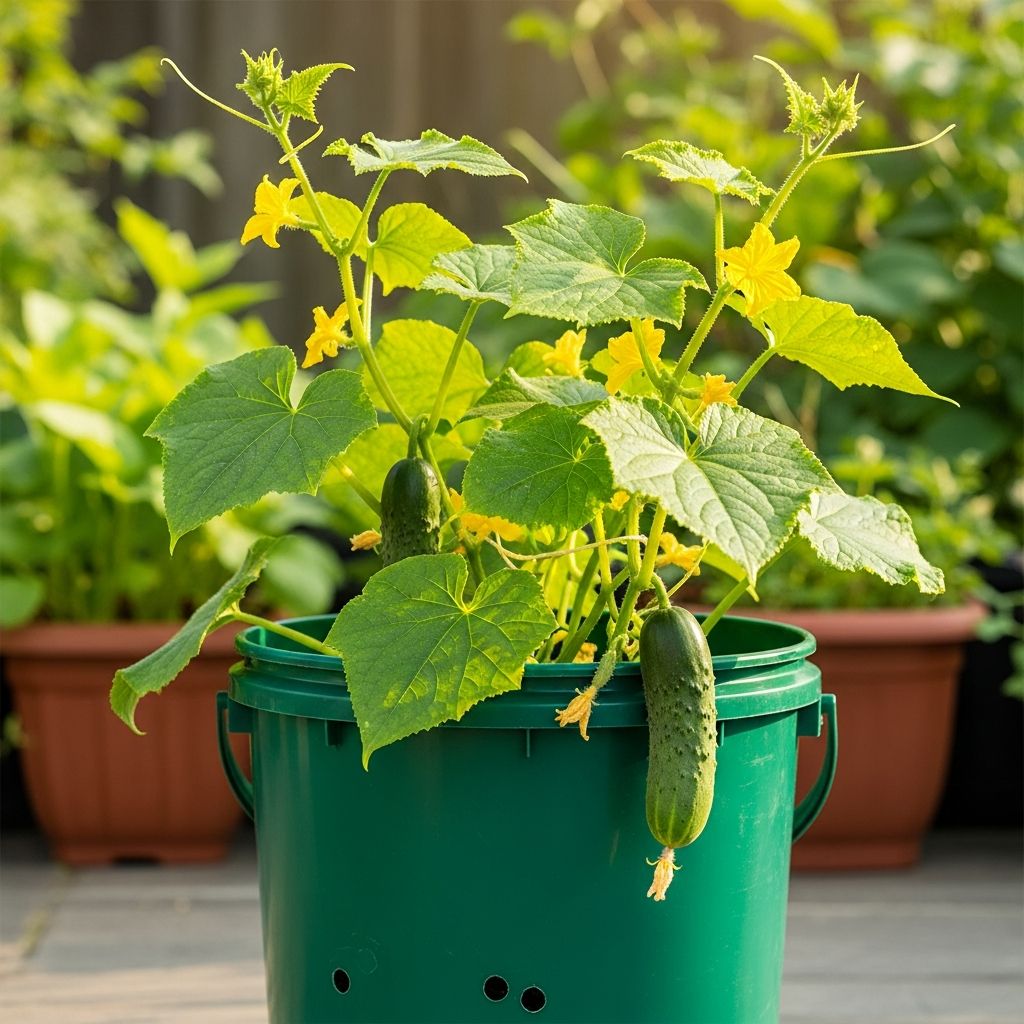
Container gardening opens doors for urban dwellers and those with limited yard space to enjoy homegrown produce. Cucumbers, with their crisp texture and versatility in salads and pickles, thrive remarkably well in confined setups like 5-gallon buckets. This method not only maximizes vertical space but also minimizes pest issues common in ground planting. By selecting appropriate varieties and providing optimal conditions, you can achieve abundant yields from just one plant per bucket.
Why Choose 5-Gallon Buckets for Cucumber Cultivation?
5-gallon buckets strike an ideal balance between portability and capacity. They offer sufficient root volume—approximately 5 gallons of soil—while remaining lightweight enough to reposition for optimal sunlight. Unlike smaller pots, these buckets retain moisture longer, reducing watering frequency, and their uniform shape supports stable trellising. Gardeners appreciate how buckets elevate plants off the ground, deterring soil-borne diseases and slugs. In hot climates, the plastic material insulates roots from extreme temperatures better than metal alternatives.
- Portability: Easily move to chase sunlight or shield from storms.
- Cost-Effective: Readily available from hardware stores or recycled sources.
- Pest Resistance: Fewer issues with cucumber beetles and powdery mildew due to isolation.
- Scalability: Line up multiple buckets on patios or balconies for substantial harvests.
Selecting the Perfect Cucumber Varieties for Buckets
Not all cucumbers suit container life. Opt for compact, disease-resistant hybrids bred for pots. Bush types stay under 3 feet, needing minimal support, while vining varieties climb trellises up to 6 feet for straighter fruits. Gynoecious strains produce mostly female flowers, boosting yields with fewer pollinators needed. Parthenocarpic options set fruit without pollination, ideal for indoor or screened setups.
| Variety | Type | Days to Harvest | Fruit Size | Best For |
|---|---|---|---|---|
| Spacemaster 80 | Bush | 65 | 6-8 inches | Small spaces, no trellis |
| Container | Bush | 55 | 7 inches | Quick yields, balconies |
| Salad Bush Hybrid | Bush | 57 | 8 inches | Slicing, disease-resistant |
| Picklebush | Bush | 52 | 4 inches | Pickling, compact |
| Marketmore 76 | Vining | 58 | 8 inches | Trellised, high yield |
Start with 2-3 seeds per bucket, thinning to the strongest seedling. These varieties, recommended by extension services, ensure vigorous growth in limited soil volumes.
Preparing Your 5-Gallon Bucket for Planting
Repurpose clean food-grade buckets, drilling 4-6 drainage holes (1/2-inch diameter) in the bottom. Elevate on bricks to enhance drainage and airflow. Line the base with coffee filters or landscape fabric to retain soil while allowing excess water escape. Fill with a premium potting mix amended for vegetables—never garden soil, which compacts and harbors pathogens.
Ideal mix recipe:
- 50% high-quality potting soil
- 30% compost or aged manure for nutrients
- 20% perlite or coco coir for aeration and moisture retention
Incorporate 1-2 tablespoons of slow-release balanced fertilizer (e.g., 10-10-10) at planting. This blend ensures pH around 6.0-6.8, perfect for cucumber uptake of nitrogen and potassium.
Planting Cucumbers: Seeds vs. Transplants
Sow directly outdoors after soil warms to 70°F (last frost +2 weeks). Plant 3 seeds 1 inch deep, spaced evenly, then thin to one robust plant. For earlier harvests, start seeds indoors 3 weeks prior in peat pots to avoid root disturbance. Transplants should have 4 true leaves; gently place in bucket center, firming soil around roots.
Water thoroughly post-planting to eliminate air pockets. Space buckets 2-3 feet apart for air circulation. In cooler zones, use black plastic mulch over soil surface to warm roots.
Providing Sturdy Vertical Support Structures
Vining cucumbers demand trellises to prevent rot and promote straight fruits. Anchor a 5-6 foot cage or A-frame over each bucket using rebar stakes driven 12 inches into the ground. Alternatives include nylon netting (4-inch mesh) strung between posts or cattle panel arches spanning two buckets. Train main vines upward weekly, pinching sideshoots for single-stem growth if space-constrained.
- Cage Pros: Simple setup, supports 20+ fruits.
- Netting Pros: Lightweight, maximizes light penetration.
- DIY Tip: Bamboo poles lashed with twine create sturdy, inexpensive frames.
Vertical growth enhances pollination and harvesting ease.
Essential Sunlight and Temperature Management
Cucumbers crave 6-8 hours of direct sun daily. Position buckets south-facing on patios; in scorching areas, provide afternoon shade via umbrellas. Ideal daytime temps: 75-85°F; protect from dips below 50°F with cloches. Elevate buckets 4 inches off heat-reflective surfaces like concrete to prevent root scorch.
Watering Strategies to Avoid Common Pitfalls
Consistent moisture is critical—aim for 1-2 inches weekly, more in heat. Water at soil level mornings to wet foliage dry by evening, thwarting mildew. Use saucers for retention but empty after 30 minutes to avert root rot. Mulch tops with straw (2 inches) to stabilize humidity. Drooping leaves signal thirst; yellowing indicates overwatering.
Fertilizing for Vigorous Growth and Prolific Fruiting
Side-dress every 2 weeks with liquid fish emulsion or compost tea high in nitrogen early, switching to phosphorus-rich formulas at flowering. Apply 1/2 cup granular 5-10-10 mid-season around drip line. Over-fertilizing causes leafy excess sans fruit; monitor for balance.
Identifying and Combating Pests and Diseases
Inspect undersides weekly for aphids (hose off) or beetles (neem oil). Prevent powdery mildew with baking soda sprays (1 tsp/gallon water). Good spacing and trellising slash risks by 50%. Remove debris promptly.
Harvesting Techniques for Peak Flavor and Continuous Yield
Pick at variety-specified size (5-8 inches usually) every 2 days with scissors, twisting gently. Regular harvesting stimulates more blooms. Yields: 10-20 cukes per plant over 8-10 weeks. Store in fridge up to 10 days.
Frequently Asked Questions (FAQs)
Can one cucumber plant fill a 5-gallon bucket?
Yes, one healthy plant per bucket suffices, allowing full root expansion and nutrient access.
How often should I water bucket cucumbers?
Daily checks; provide 1-2 inches weekly, adjusting for weather and plant size.
What if my cucumbers are bitter?
Uneven watering causes bitterness; maintain steady moisture and harvest promptly.
Do bush varieties need trellises?
Not essential, but light support prevents fruit rot on sprawling vines.
Can I grow pickling cucumbers in buckets?
Absolutely; compact varieties like Picklebush excel in containers.
Troubleshooting Common Container Cucumber Issues
Yellow leaves? Nitrogen deficiency—fertilize. Wilting? Check drainage. No fruit? Ensure pollinators or hand-pollinate. These fixes keep plants thriving.
With dedication, 5-gallon bucket cucumbers deliver fresh bounty through summer. Experiment with varieties and refine techniques yearly for mastery.
References
- How to Grow Cucumbers in a Container Garden — Savvy Gardening. 2023-05-15. https://savvygardening.com/how-to-grow-cucumbers-in-a-container-garden/
- Growing Cucumbers in Containers — Victory Seeds. 2024-02-10. https://victoryseeds.com/pages/growing-cucumbers-in-containers
- 9 Tips to Grow Cucumbers in Containers & Pots — Next Door Homestead. 2023-08-22. https://nextdoorhomestead.com/blog/9-tips-grow-cucumbers-containers-pots/
- Growing Cucumbers in a Container — YouTube (5 Minutes of Gardening). 2023-06-01. https://www.youtube.com/watch?v=CZOYBePPeDM
- Planter Boxes – How to Grow Cucumbers — EarthBox. 2024-01-12. https://earthbox.com/blog/planter-boxes-how-to-grow-cucumbers
Similar Articles



Read full bio of Sneha Tete