Rosemary Cuttings: 2 Easy Propagation Methods
Master the art of multiplying rosemary plants through simple stem cuttings for endless fresh herbs in your garden.
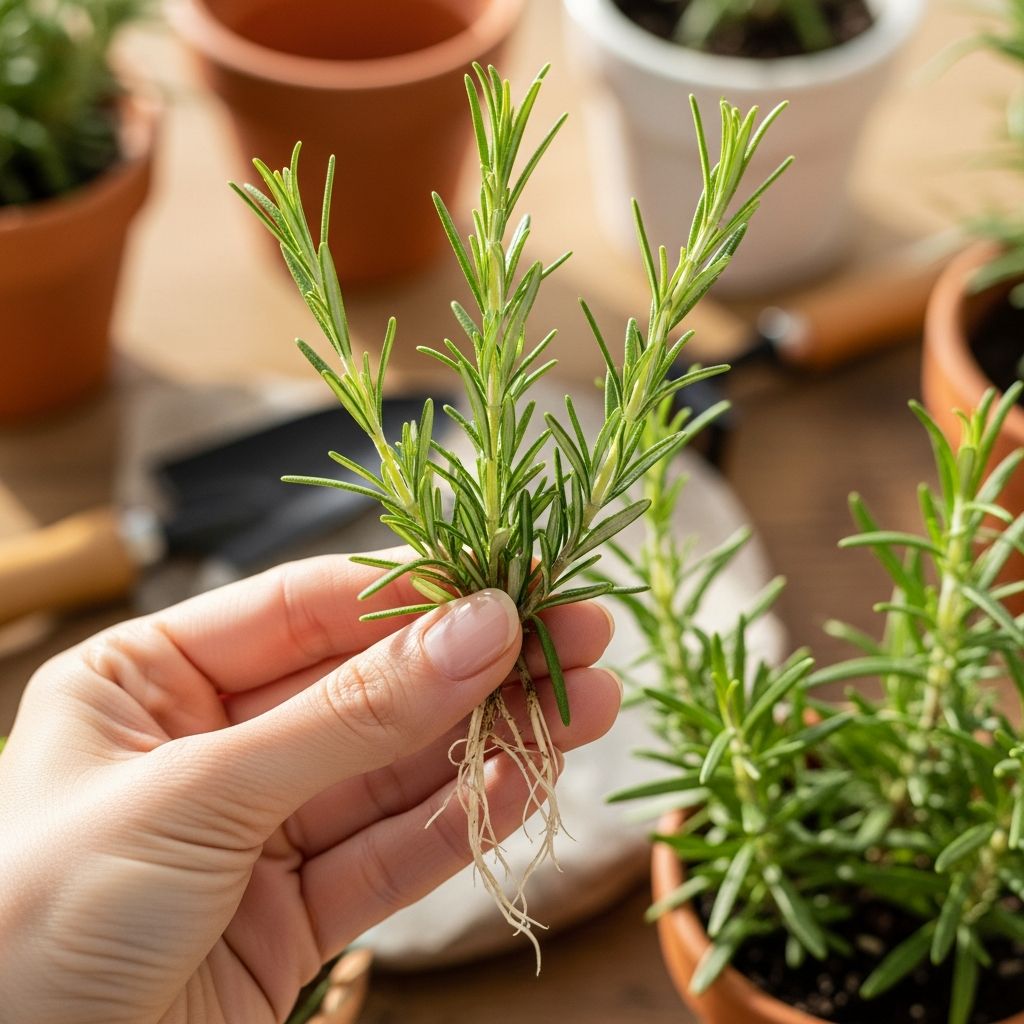
Grow Rosemary Easily: Cuttings Guide
Expanding your herb collection without purchasing new plants is achievable through propagation via stem cuttings. Rosemary, a resilient Mediterranean evergreen, thrives when reproduced this way, offering gardeners a cost-effective method to cultivate more specimens for culinary or ornamental use. This guide explores comprehensive strategies drawn from horticultural best practices.
Understanding Rosemary’s Growth Habits
Rosemary (Rosmarinus officinalis) flourishes in well-drained soils and full sun, mimicking its native coastal environments. As a woody perennial in USDA zones 8-10, it behaves as an annual elsewhere, necessitating indoor overwintering. Propagation preserves desirable traits like flavor intensity or upright growth from parent plants.
Success hinges on selecting vigorous mother plants free from pests or diseases. Healthy stems yield robust offspring, ensuring long-term garden productivity.
Optimal Seasons for Taking Cuttings
Timing aligns with stem maturity for maximum rooting potential. Early spring, post-new growth flush, suits softwood cuttings—tender, green tips. Late summer to early fall targets semi-ripe or hardwood stems, ideal for water rooting in cooler climates.
- Spring (Softwood): New shoots root quickly but require humidity control to prevent rot.
- Late Summer (Semi-ripe): Firmer stems balance flexibility and woodiness for reliable results.
- Fall (Hardwood): Woody bases overwinter well indoors before spring planting.
In frost-prone areas, propagate before first freezes to safeguard cuttings indoors. Milder regions allow year-round efforts, though seasonal peaks enhance viability.
Essential Tools and Materials
Gather sterilized equipment to minimize fungal risks. Clean pruners or knives with alcohol or bleach solution (1:9 ratio) prevent pathogen transfer.
| Category | Items | Purpose |
|---|---|---|
| Cutting Tools | Sharp pruners, knife, scissors | Precise, clean cuts above nodes |
| Containers | Glass jars, pots with drainage | Water or soil rooting vessels |
| Medium | Potting mix, sand, vermiculite | Moist, sterile rooting base |
| Hormone | Rooting powder/gel (optional) | Stimulates root development |
| Humidity | Plastic bags, domes | Maintains high moisture levels |
Pro-Mix or seed-starting blends ensure aeration and sterility. Use room-temperature tap water for hydration.
Selecting and Preparing Stem Cuttings
Choose 4-6 inch stems with 3-4 leaf clusters. Terminal tips offer vigor; medial sections multiply output from one branch.
- Identify healthy growth: Avoid woody bases or pest-damaged areas.
- Cut at 45-degree angle just above a node for water uptake.
- Immediately strip lower leaves, exposing 2-3 nodes.
- Optional: Dip basal end in rooting hormone, tapping excess.
Fresh cuts heal faster, reducing drying. Process multiple stems promptly.
Method 1: Water Rooting Technique
Simplest for beginners, water propagation suits hardwood cuttings, revealing roots visually.
- Fill clean jars halfway with water.
- Submerge 2-3 inches of leafless stem.
- Position in bright, indirect light; change water weekly.
- Roots emerge in 7-14 days; transplant at 2 inches length.
Softwood may rot; monitor for slime and refresh water. Success rate: 70-80% with fresh material.
Method 2: Soil Rooting Approach
Direct potting mimics garden conditions, transitioning seamlessly.
- Moisten sterile mix in 3-4 inch pots.
- Insert hormone-dipped stems 1-2 inches deep, spacing edges.
- Enclose in inflated plastic bag or dome for 3-4 weeks.
- Keep medium damp, not saturated; vent daily.
Gently tug after 4 weeks to test resistance, indicating roots.
Environmental Conditions for Rooting
Maintain 65-75°F (18-24°C) with 70-80% humidity. Indirect sunlight prevents scorching; bottom heat mats accelerate process.
Avoid direct sun or drafts. Shade-protected spots like under eaves work well. Consistent moisture without waterlogging is key.
Caring for Rooted Cuttings
Acclimatize by removing covers gradually over a week. Water sparingly, allowing topsoil to dry.
- Fertilize lightly after 6 weeks with diluted fish emulsion.
- Harden off outdoors over 7-10 days before planting.
- Space 2-3 feet apart in sandy loam, pH 6-7.
Overwinter pots in cool, frost-free areas; pinch tips for bushiness.
Troubleshooting Propagation Issues
| Problem | Causes | Solutions |
|---|---|---|
| No Roots | Old stems, low hormone | Use fresh softwood, apply hormone |
| Rotting Bases | Excess moisture, dirty tools | Sterilize, improve drainage/airflow |
| Leaf Drop | Low humidity, dry air | Increase enclosure time, mist |
| Leggy Growth | Insufficient light | Provide brighter indirect sun |
Fungal prevention via cleanliness boosts success to 90%.
Advanced Propagation Tips
Combine methods: Root in water, then pot for hybrid vigor. Take 20-30 cuttings for backups. Label varieties for trait tracking.
Layering in spring/ fall offers soil contact without severing. Prolific propagators overwinter dozens for spring sales or swaps.
Long-Term Rosemary Cultivation
Transplanted plants mature in 1-2 years, yielding harvestable sprigs. Prune post-flowering to stimulate density. Companion plant with lavender or thyme for pest deterrence.
Sustainable propagation reduces nursery dependency, fostering self-sufficient gardens.
Frequently Asked Questions
Can all rosemary varieties propagate from cuttings?
Yes, upright and prostrate types root similarly; select disease-free parents.
How long until harvestable?
3-6 months post-transplant, with light pinching from month 2.
Water or soil—which is better?
Water for observation, soil for stronger starts; both succeed seasonally.
Why use rooting hormone?
It boosts root initiation by 30-50%, especially on hardwood.
Can I propagate in winter?
Indoors with grow lights, using hardwood from fall.
References
- Propagating Rosemary From Cuttings — Savvy Gardening. 2023-05-15. https://savvygardening.com/propagating-rosemary/
- Propagating Rosemary Plants with Stem Cuttings — Herb Society of America Blog. 2022-06-10. https://blog.herbsociety.org/propagating-rosemary-plants-with-stem-cuttings/
- How to grow Rosemary | RHS Guide — Royal Horticultural Society. 2025-01-01. https://www.rhs.org.uk/herbs/rosemary/grow-your-own
Similar Articles







Read full bio of medha deb