Undefined Growing Arborvitae From Seeds: A Complete Guide
Master the art of propagating arborvitae trees from seeds with expert techniques for stratification, germination, and long-term care to create thriving privacy screens.
Growing Arborvitae from Seeds: A Complete Guide
Arborvitae trees, belonging to the Thuja genus, offer evergreen beauty, privacy screening, and wildlife habitat in landscapes across USDA zones 2-8. Propagating them from seeds allows gardeners to cultivate unique varieties economically, though success requires patience due to low germination rates around 30%. This guide covers everything from seed collection to mature tree care, drawing on proven horticultural practices.
Understanding Arborvitae: Ideal Candidates for Home Propagation
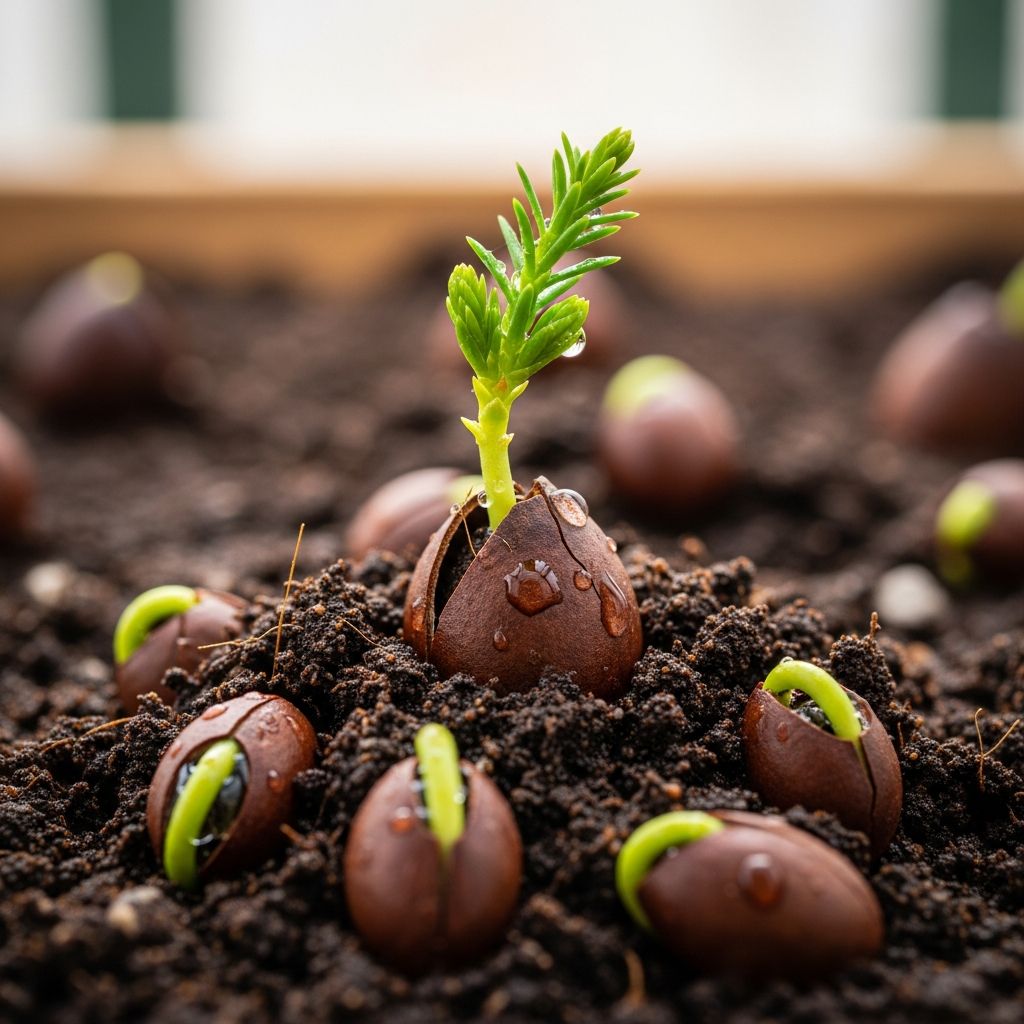
These resilient conifers thrive in full sun to partial shade and well-drained soils, making them versatile for hedges, windbreaks, or specimen plantings. Seeds from species like Thuja occidentalis, T. orientalis, and T. plicata demand specific conditions: daytime temperatures of 75-80°F and nights at 68-73°F for optimal sprouting in about 20 days. Their natural dormancy necessitates stratification to mimic winter, enhancing viability.
Unlike purchasing nursery stock, seed-starting yields genetically diverse plants adapted to local climates. However, expect variability in growth rates and forms—columnar types for screens or dwarf globes for borders.
Gathering and Preparing Arborvitae Seeds
Harvest ripe cones in fall from healthy parent trees; seeds are viable if fresh. Avoid blue pods unless confirmed mature, as extraction timing affects quality. Clean seeds by rinsing off pulp.
Seed Stratification Process
- Soak seeds overnight in room-temperature water to soften coats and initiate hydration.
- Mix with moistened potting soil or sphagnum moss in a sealed plastic bag.
- Refrigerate at 34-41°F for 30-40 days, checking weekly for mold; this breaks dormancy.
Post-stratification, seeds are primed for sowing. This step boosts germination from negligible to viable levels, simulating natural overwintering.
Creating the Perfect Germination Environment
Sow in spring using sterile seed-starting mix in trays or pots with drainage holes. Cover seeds lightly (1/8 inch) and maintain consistent moisture without sogginess.
| Condition | Optimal Range | Purpose |
|---|---|---|
| Day Temperature | 75-80°F | Activates enzymes for sprouting |
| Night Temperature | 68-73°F | Prevents stress, mimics nature |
| Light | Bright, indirect | Supports photosynthesis post-germination |
| Humidity | 70-80% | Retains moisture for radicle emergence |
Use a heat mat for steady warmth and a humidity dome initially. Germination appears in 2-3 weeks; thin seedlings to prevent crowding.
Early Seedling Care: From Sprout to Sturdy Saplings
Once emerged, provide 14-16 hours of light daily via grow lights if natural sun is insufficient. Water from below to avoid damping-off fungus. Fertilize sparingly with diluted balanced formula (10-10-10) every 4 weeks after true leaves form.
By month 2, seedlings reach 1-3 inches with initial branching. Harden off outdoors gradually over 7-10 days before full exposure. Monitor for pests like spider mites, treating with neem oil if needed.
Transplanting Seedlings to Pots or Ground
Pot up at 4-6 inches tall into 4-inch containers with loamy potting soil. Best transplant time: early spring or fall. For ground planting:
- Select sites with full sun, avoiding low spots prone to puddling.
- Dig holes twice as wide as root balls but 1 inch shallower than container depth to prevent root suffocation.
- Space 3-4 feet apart for hedges, staggering for natural look.
Water deeply post-planting, aiming for moist—not waterlogged—soil. Mulch 2-3 inches thick around bases, keeping it from trunks to suppress weeds and retain moisture.
Ongoing Maintenance for Thriving Arborvitae
New trees need weekly deep watering for the first year, reducing to drought-tolerant maturity. Apply slow-release fertilizer annually in spring. Prune lightly in early summer to shape, avoiding late cuts that spur tender growth vulnerable to winter damage.
In zones 2-8, protect young plants from harsh winds with burlap screens first winter. Expect 6-12 inches annual growth, reaching screen height in 3-5 years.
Common Challenges and Solutions
Low Germination: Always stratify; test viability by float method—sinkers are best.
Yellowing Needles: Indicates overwatering or poor drainage; amend with organic matter.
Browning Tips: Often winter desiccation; ensure mulch and wind protection.
Companion Planting Ideas for Arborvitae
Pair with sun-loving perennials like daylilies or shrubs such as forsythia for mixed borders. Avoid competitive grasses nearby.
Benefits of Home-Grown Arborvitae Landscapes
Beyond aesthetics, these trees support birds with shelter and berries, purify air, and stabilize soil. Seed propagation fosters self-sufficiency, yielding cost savings over nursery prices.
Frequently Asked Questions (FAQs)
Can I plant arborvitae seeds directly outdoors?
Yes, in fall for natural stratification, but indoor control yields higher success.
How long until arborvitae from seed mature?
3-5 years for hedge height; full size in 10-15 years depending on variety.
Are arborvitae seeds toxic?
Seeds are not typically ingested, but keep away from pets; foliage has mild irritants.
Best varieties for beginners?
Thuja occidentalis ‘Emerald Green’ from seed stock for compact hedges.
Do I need grow lights for seedlings?
Essential in low-light areas to prevent legginess.
References
- Starting Arborvitae Seeds – Knowledgebase Question — Garden.org. Accessed 2026. https://garden.org/frogs/view/23684/
- 7 Tips for Planting Arborvitae Trees — DadBuilt DIY (YouTube). 2024-04-19. https://www.youtube.com/watch?v=zW_9lpaK_2I
- Growing Arborvitae Trees from Seed – 0-2 Years — YouTube. Accessed 2026. https://www.youtube.com/watch?v=s8T19I8T9L4
- Arborvitae Growing Guide: Care, Types & Planting Tips — Proven Winners. Accessed 2026. https://www.provenwinners.com/learn/how-plant/arborvitae
Similar Articles




Read full bio of Sneha Tete