Growing Asparagus in Raised Beds: A Complete Guide
Master the art of cultivating asparagus in raised beds for decades of harvests.
Introduction to Raised Bed Asparagus Cultivation
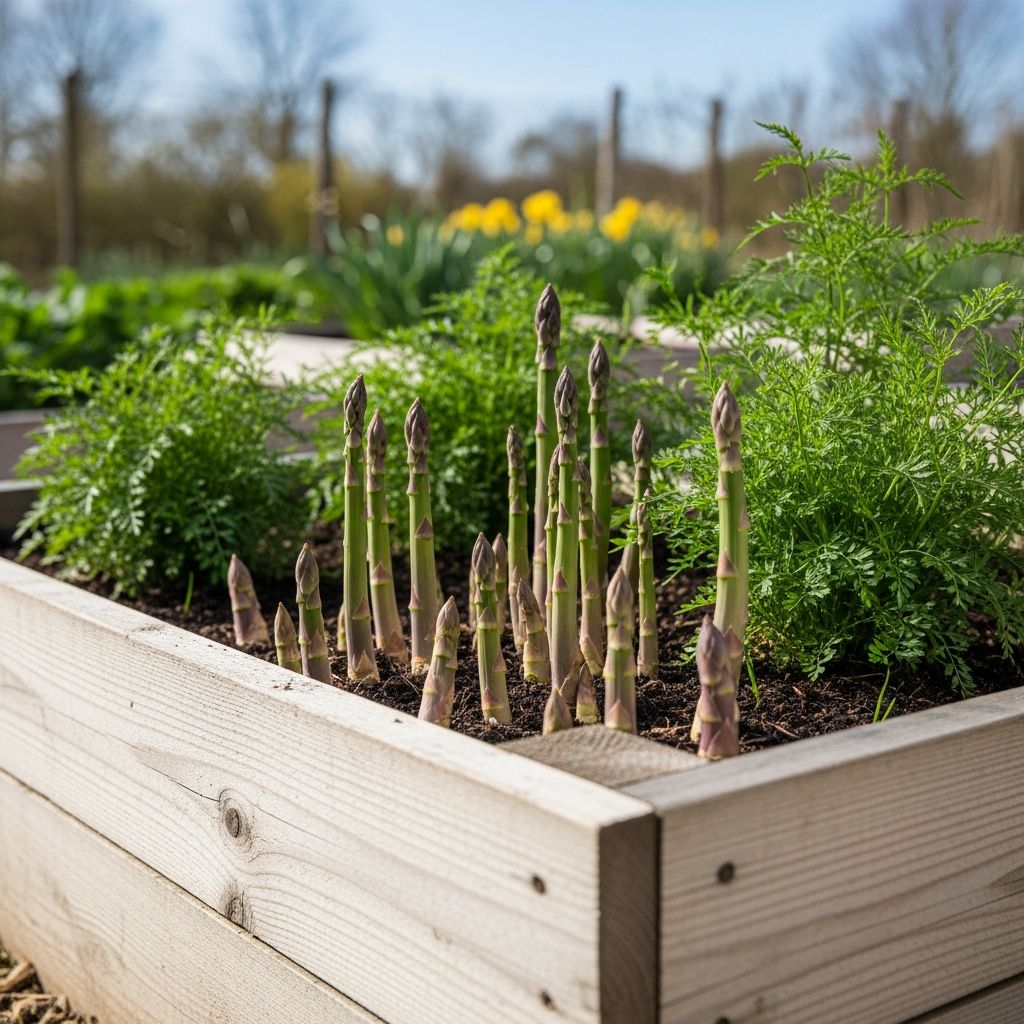
Asparagus stands out as one of the most rewarding perennial vegetables a gardener can cultivate. Unlike annual vegetables that require replanting each season, asparagus crowns establish themselves and continue producing harvestable spears for 20 to 30 years with minimal intervention. This longevity makes the initial investment in soil, seeds, and setup worthwhile. Raised beds offer a superior growing environment compared to traditional in-ground planting, eliminating the need for complicated trenching methods while providing better drainage and soil control. Many gardeners find that raised bed cultivation simplifies the entire process, making asparagus accessible to both beginners and experienced horticulturists.
Why Raised Beds Excel for Asparagus Growth
Raised beds transform asparagus growing from a labor-intensive endeavor into a manageable gardening project. When planting in open ground, gardeners must excavate deep trenches, create mounds of compost, and perform extensive soil preparation. Raised beds eliminate these complications by allowing you to build an ideal growing medium from scratch. The contained environment ensures superior drainage—a critical factor since asparagus despises waterlogged roots. Additionally, raised beds allow complete control over soil composition, pH levels, and organic matter content without the influence of surrounding native soil. The elevated structure also makes weeding and harvesting more accessible, reducing back strain during maintenance tasks. Because asparagus roots can extend as deep as one meter into the soil, raised beds provide ample depth for this extensive root development when constructed properly.
Selecting and Preparing Your Raised Bed
The foundation of successful asparagus cultivation begins with appropriate bed selection and construction. A standard raised bed measuring 2 feet wide by 10 feet long and 12 inches deep provides adequate space for approximately 20 asparagus plants, with each plant requiring one square foot of growing area. The depth of your raised bed matters significantly—a minimum of 12 inches is acceptable, though deeper beds of 18 inches offer superior root development space and enhanced drainage. Always use untreated wood for food production beds to prevent chemical leaching into your soil and future harvests.
Before planting, prepare your bed by filling it with high-quality soil and organic amendments. Quality matters considerably because you’re making a 25-30 year investment in this location. Consider mixing bulk garden soil with compost, peat moss, or aged organic materials to create a rich, well-draining medium. This initial soil investment, while representing an expense, distributes across decades of production. Some gardeners excavate 6 to 8 inches beneath their raised bed frame and add supplementary soil amendments to reach optimal depth, creating a 18-inch growing zone that mimics traditional trenching methods without the labor. Asparagus thrives in soils with pH between 6.5 and 7.0 and performs best in well-amended, fertile environments rich in organic content.
Timing Your Planting Schedule
Asparagus planting windows vary by geographic location and hardiness zone. Most regions experience optimal planting conditions during spring, typically from mid-April through May, when soil has warmed and frost danger has passed. For gardeners in northern climates, later April and early May provide the safest window. Check your specific USDA hardiness zone for precise recommendations, as timing ensures your crowns establish before summer heat and winter dormancy cycles. Starting asparagus in spring allows the crowns to develop root systems throughout the growing season, preparing them for their first winter in your raised bed.
Understanding Asparagus Crowns and Root Systems
Asparagus crowns represent the plant’s growing center—the small nub where roots attach and from which spears eventually emerge. When purchasing crowns, you’ll receive dormant root systems with multiple elongated strands extending from this central crown. Before planting, soak crowns in water for approximately 15 minutes to rehydrate them after transit and storage. This brief soaking prepares the dormant plant for awakening in your prepared bed. Examine the roots and trim any dried or excessively long tips that might resist proper positioning during planting. Ensure the crown faces upward with roots spreading downward when you place plants in your bed—proper orientation is essential for healthy growth patterns.
The Progressive Planting Method
Unlike traditional trenching approaches, the progressive method suits raised bed cultivation perfectly. Begin by adding 6 inches of prepared soil to your raised bed. Lay asparagus crowns approximately 18 inches apart across the bed surface, spacing them to allow adequate growing room. Spread the roots outward from each crown, positioning them naturally without forcing or bending excessively. Cover the crowns with just 2 inches of soil initially, leaving the crowns relatively shallow.
As spears begin emerging and the plants establish growth, gradually add soil incrementally. Add approximately 3 inches of soil every few weeks as the plants develop visible growth. This gradual burial process allows the growing spears to push through progressively while the crowns move deeper into the soil profile. Continue this process until you’ve added a total of 6 inches of soil above the crowns, placing them at the recommended depth. This method prevents damaging emerging spears with excessive soil coverage while ensuring proper final positioning. The gradual approach also allows you to monitor plant progress and adjust your soil additions based on actual growth patterns.
Spacing and Bed Configuration
Proper spacing determines plant vigor and long-term productivity. Each asparagus crown requires approximately one square foot of individual growing space. Plants positioned 18 to 24 inches apart experience less competition for nutrients, water, and light. Closer spacing can work temporarily but often results in reduced individual plant vigor and spear size over the decades of production. Calculate your total space needs by multiplying the number of plants you want by one square foot per plant. A 20-plant bed requires a minimum of 20 square feet—achievable in a 2-foot-wide bed extending 10 feet in length, allowing approximately 12 inches between plants along the length.
Soil Amendments and Nutritional Requirements
Asparagus responds excellently to nutrient-rich soil amended with abundant organic matter. Begin with quality compost as your primary amendment, mixing it thoroughly into your bed’s base layer. Additional beneficial amendments include well-aged manure, which adds nitrogen and organic content, peat moss for moisture retention and soil structure, and biochar for long-term soil improvement. These materials create a favorable environment for the extensive root development asparagus requires. The initial organic investment compounds over 25 to 30 years as decomposing materials continuously improve soil structure and fertility. University extension services recommend soil with pH between 6.5 and 7.0, slightly alkaline to neutral, which most prepared garden beds achieve naturally.
Managing Weeds Through Mulching Strategies
Asparagus competes poorly with weeds, making proactive weed management essential for successful cultivation. After planting and establishing initial growth, apply 3 to 4 inches of mulch across your bed surface. Use straw, shredded leaves, or wood chips as mulch materials. The mulch layer suppresses weed germination, moderates soil temperature, retains moisture during dry periods, and gradually decomposes to add organic matter. Fall mulching proves particularly important in northern climates, where 4 inches of protective mulch insulates the crowns during winter extremes, protecting them from freeze-thaw cycles. Refresh mulch annually as it decomposes, maintaining consistent coverage. This ongoing mulching investment eliminates much of the hand-weeding burden that asparagus cultivation traditionally requires.
First-Year Growth and Expectations
Managing expectations during the first year prevents disappointment and supports proper plant care. Asparagus crowns prioritize root system development during their establishment year, directing most energy underground rather than producing harvestable spears. Most crowns produce little to no harvestable material in year one. Instead, allow them to establish undisturbed, focusing your care on maintaining consistent moisture and weed control. Fern-like foliage emerges aboveground, storing energy in the developing crown and root system for future productivity. This patient approach during year one yields dramatically improved harvests in subsequent years as the root systems mature and crowns strengthen.
Harvest Timing and Plant Maturation
By the second growing season, crowns typically produce harvestable spears, though continuing to harvest lightly—removing only the largest spears—maintains plant vigor. By the third year, crowns reach sufficient maturity to tolerate regular harvesting throughout the spring season. Harvest spears when they reach 6 to 8 inches tall by cutting just below soil surface with a sharp knife. The extended growing season from spring through early summer allows continuous harvests until about mid-June, after which plants should be left unharvested to rebuild root reserves. Allowing fern development after mid-summer directs energy back to crown reserves rather than spear production.
Seasonal Maintenance and Winter Protection
Asparagus requires minimal care once established, though consistent maintenance maximizes productivity. During the growing season, water regularly to maintain even soil moisture—asparagus prefers consistent moisture without waterlogging. Apply balanced fertilizer in spring as growth begins, supporting vigorous spear production. After mid-summer, cease harvesting and allow ferns to develop fully. These fern-like stems conduct photosynthesis, storing carbohydrates in the crown for next year’s production. In fall, cut ferns to soil level after they die back or turn brown. Apply your annual mulch layer at this time, providing winter insulation in cold climates. The combination of winter protection and crown reserves allows asparagus to survive harsh conditions and emerge strongly in spring.
Managing Drainage and Preventing Common Problems
Excellent drainage represents the most critical factor in asparagus survival, particularly in raised beds. The combination of the bed’s elevation and your carefully prepared soil mix ensures water moves through the medium efficiently. Monitor your bed after heavy rain—water should drain away within hours rather than pooling. If drainage proves inadequate, work additional coarse materials like perlite or wood chips into your soil mix to improve water movement. Asparagus rarely suffers from insect pests in home gardens, though rust and root rot can occur in overly wet conditions. Prevention through proper drainage and annual mulch renewal typically eliminates these problems entirely.
Long-Term Productivity and Plant Renewal
Asparagus beds can continue producing for 30 years or more with minimal care. As beds age, productivity sometimes gradually declines as soil becomes depleted and weeds encroach. Maintain vigor by adding compost mulch annually, which simultaneously feeds the soil and suppresses weeds. Every few years, consider adding fresh compost to the bed surface, allowing it to settle and integrate into the soil profile. This practice gradually raises soil level while replenishing nutrients and organic matter. If productivity declines significantly after 25 to 30 years, you might consider completely renovating the bed with new soil and fresh crowns, though many gardeners find older beds continue producing satisfactorily with consistent maintenance.
Frequently Asked Questions
Q: How deep should my raised bed be for asparagus?
A: Minimum depth is 12 inches, though 18 inches provides superior root development space. The extra depth accommodates asparagus roots, which extend deeply, and improves overall drainage. Even a 2-foot-deep bed performs excellently for asparagus cultivation in cold climates.
Q: Can I plant asparagus with other vegetables in a raised bed?
A: Asparagus is a perennial crop that occupies space for 25-30 years, making dedicated beds preferable. Companion planting with annual vegetables becomes complicated as the asparagus crown system expands. For efficiency, dedicate your raised bed entirely to asparagus or plan separate beds for other crops.
Q: What’s the ideal spacing between asparagus crowns?
A: Space crowns 18 to 24 inches apart to allow adequate room for root development and spear emergence. Each plant needs approximately one square foot of growing area. Closer spacing increases competition and reduces individual spear quality and plant vigor.
Q: When can I start harvesting from newly planted crowns?
A: Year one typically produces no harvestable spears as plants establish root systems. Year two might yield light harvests from mature crowns, while year three and beyond support regular harvesting from spring through early June. Patience during establishment years ensures decades of productivity.
Q: How often should I water my asparagus bed?
A: Maintain consistent soil moisture throughout the growing season, aiming for one inch of water weekly through rainfall or irrigation. Well-mulched beds retain moisture effectively, reducing watering frequency. Avoid waterlogging, which encourages root rot.
Q: What soil pH does asparagus prefer?
A: Asparagus grows best in slightly alkaline to neutral soil with pH between 6.5 and 7.0. Most prepared garden beds naturally fall within this range. Test your soil pH if problems develop; lime can raise pH in acidic soils.
Q: Do I need to fertilize established asparagus beds?
A: Apply balanced fertilizer in early spring as growth begins to support vigorous spear production. Annual mulch additions provide slow-release nutrients as organic matter decomposes. Heavy feeders aren’t necessary; consistent organic matter replenishment sustains productivity.
Q: Can raised beds protect asparagus from winter damage?
A: While raised beds don’t prevent winter damage inherently, they allow you to control drainage and mulching precisely. A 4-inch fall mulch layer provides insulation protecting crowns from freeze-thaw cycles. Excellent drainage also prevents water accumulation around crowns during freeze periods.
References
- Growing Asparagus in Home Gardens — University of Minnesota Extension. 2024. https://extension.umn.edu/vegetables/growing-asparagus
- Growing Asparagus in Missouri — University of Missouri Extension. 2024. https://extension.missouri.edu/publications/g6405
- How to Plant Asparagus in Raised Beds — YouTube. https://www.youtube.com/watch?v=2WCL8GucZ6Y
- How to Plant Asparagus in a Raised Bed — My Frugal Home. https://www.myfrugalhome.com/how-to-plant-asparagus-in-a-raised-bed/
- A Step-by-step Guide on Growing Asparagus — Zone 3 Vegetable Gardening. https://www.zone3vegetablegardening.com/post/how-to-grow-asparagus
- How Do I Grow Asparagus? — Joe Gardener. https://joegardener.com/how-do-i-grow-asparagus/
Similar Articles



Read full bio of Sneha Tete