Growing Broccoli: Comprehensive Guide For Bountiful Harvest
Master broccoli cultivation from seed to harvest with expert growing strategies.
Growing Broccoli: A Comprehensive Guide to a Bountiful Harvest
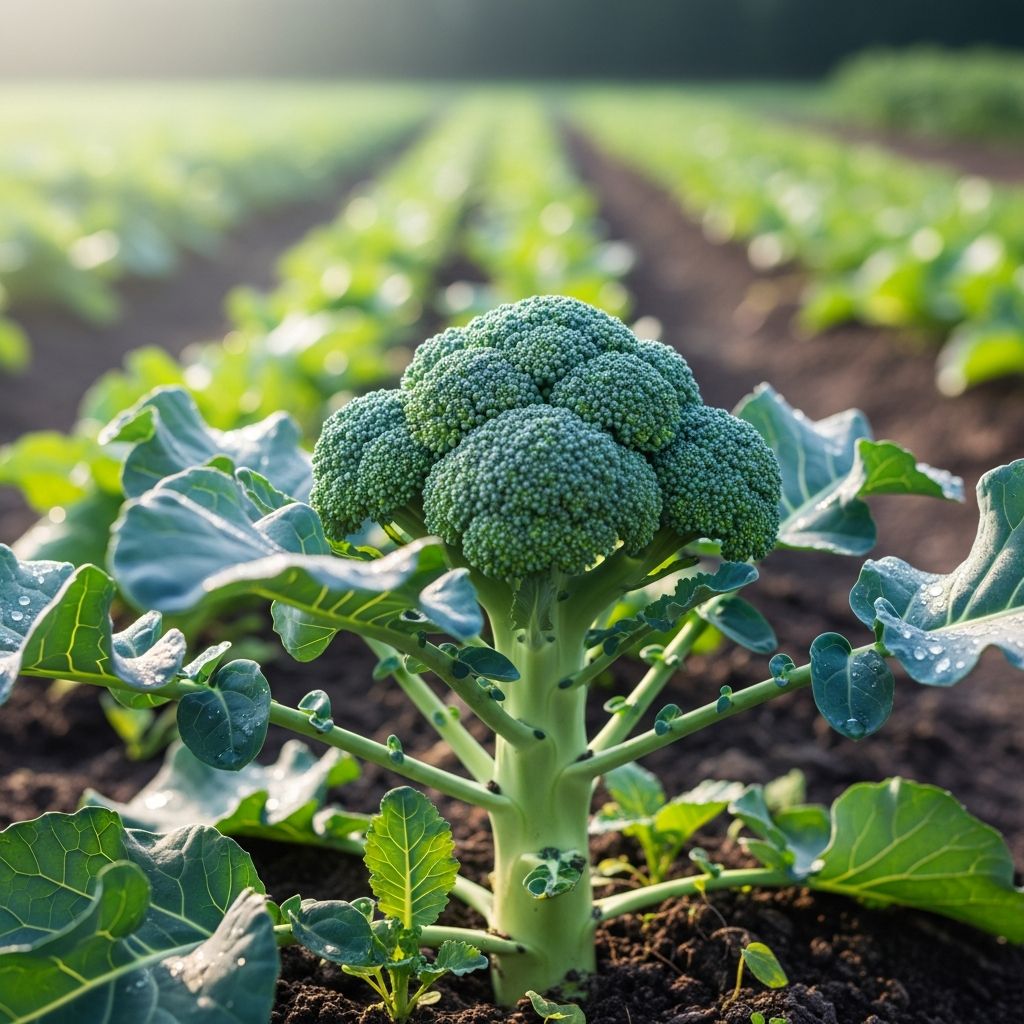
Broccoli stands as one of the most rewarding vegetables to cultivate in a home garden, offering gardeners the satisfaction of harvesting nutrient-dense florets from plants they’ve nurtured from seed or transplant. This cool-season crucifer demands specific growing conditions and timing but rewards attentive gardeners with abundant, flavorful heads throughout the growing season. Whether you’re a novice gardener or someone with years of experience, understanding the fundamentals of broccoli cultivation ensures consistent success and maximizes your harvest potential.
Understanding Broccoli’s Temperature Requirements
Temperature control represents the most critical factor in successful broccoli production. Unlike warm-season vegetables that thrive in heat, broccoli performs optimally within a narrow temperature window. The ideal growing temperature for broccoli ranges from 65°F to 75°F during the day, with the plant capable of germinating in soil temperatures as low as 50°F. However, achieving consistent harvests requires planning your planting schedule so that head development occurs when temperatures remain below 75°F.
This temperature sensitivity makes broccoli cultivation a matter of strategic timing rather than year-round planting. Most gardeners will experience greatest success growing broccoli as both spring and fall crops, with some regions in USDA Zones 8 and warmer capable of producing winter harvests as well.
Seasonal Planting Timeline for Different Climates
Successfully growing broccoli begins with understanding when to plant in your specific geographic region. The timing strategy differs significantly between spring and fall growing seasons:
- Spring Crop: In most regions, plant broccoli transplants from late February through early April. This timing allows seedlings to mature during the cool spring months before summer heat triggers flowering rather than head development.
- Fall Crop: Direct seed broccoli between late July and early August, adjusting based on your first frost date. This schedule provides a second harvest window when temperatures naturally cool in autumn.
- Winter Crop: Gardeners in warmer climates (Zones 8 and above) can transplant broccoli between September and February for winter harvest.
The time from transplanting to harvest typically ranges from 50 to 85+ days, depending on the specific variety selected. Checking seed packet information for your chosen cultivar’s maturity date helps ensure plants reach harvest size within your region’s optimal temperature window.
Site Selection and Light Exposure
Broccoli demonstrates a clear preference for full sun exposure, requiring at least 6 to 8 hours of direct sunlight daily. Plants receiving adequate light develop more robust heads and display superior quality compared to those grown in partial shade. However, in warmer climates, light afternoon shade can actually delay bolting (premature flowering) during hot spells, providing a brief window of compromise between light requirements and heat mitigation.
Beyond light considerations, site selection should prioritize locations with good air circulation and protection from strong winds. Broccoli’s tall growth habit makes plants susceptible to wind damage, particularly when heavy heads mature. A sheltered location with morning sun exposure and afternoon protection creates ideal growing conditions in hot climates.
Soil Preparation and pH Management
Broccoli’s productivity depends heavily on soil composition and chemical balance. The plant thrives in fertile, well-draining soil with a pH between 6.0 and 7.0. Testing your soil pH before planting allows you to make necessary adjustments months in advance.
Soil Amendment Strategy:
- Incorporate 2 to 3 inches of well-aged compost into the top 6 inches of soil before planting
- Add organic matter such as aged manure to improve both drainage and nutrient availability
- If soil pH is too acidic, apply lime during the winter preceding your spring planting to reach the optimal pH range and reduce clubroot disease pressure
- Apply an all-purpose organic fertilizer to sandy soils that drain rapidly
For gardeners dealing with poor or marginally fertile soil, applying a high-nitrogen organic fertilizer when plants reach 8 inches tall supports vigorous foliage development and larger head formation.
Starting Broccoli from Seeds Indoors
Beginning broccoli from seed indoors provides several advantages, including disease management, extended growing seasons, and cost savings compared to purchasing transplants. This method works particularly well for gardeners with clubroot disease in their soil, as properly established seedlings resist infection more effectively.
Indoor Seed Starting Process:
Initiate seed sowing indoors 4 to 6 weeks before your intended transplant date. Fill modular seedling trays with peat-free seed-starting mix, moistening thoroughly before planting. Sow two seeds per module at a depth of 2 centimeters (¾ inch), then maintain soil moisture and temperature between 65°F and 75°F in a location with good air circulation.
Cover trays with thick plastic sheeting to retain warmth and moisture, then check daily to monitor soil conditions. Within 3 to 7 days, seedlings should emerge. Upon germination, remove the plastic covering and position seedlings under grow lights or in a very bright window to prevent leggy, weak growth. Thin seedlings to leave one strong plant per module by removing the weaker specimen with scissors rather than pulling, which can disturb remaining roots.
When seedlings develop two to four true leaves (the leaves that appear after the initial rounded cotyledons), they’re ready for transplanting into the garden. This typically occurs at approximately 4 to 6 weeks of age, when plants should display vigorous growth and well-developed root systems.
Direct Sowing Broccoli Seeds
Although indoor starting provides greater reliability, direct seeding offers simplicity for gardeners with adequate space and appropriate timing. Plant seeds ¼ to ½ inch deep, spacing them 12 to 18 inches apart in rows. Keep soil consistently moist until germination, which occurs within 10 to 14 days when soil temperatures remain in the optimal range.
Thin emerging seedlings to leave one plant every 12 to 18 inches once they have established true leaves. Direct seeding carries higher failure risk in hot weather and for newly germinated, shallow-rooted seedlings, making this method less reliable than transplanting in regions with unpredictable temperature fluctuations.
Transplanting Seedlings into Garden Beds
Successfully transitioning seedlings from protected indoor environments to garden beds requires careful hardening off and proper technique. Begin acclimating indoor-grown seedlings to outdoor conditions 7 to 10 days before planting by gradually exposing them to sunlight, wind, and temperature fluctuations over an increasing number of hours daily.
Transplant on cloudy days or during evening hours when temperatures are cooler and plants experience less transplant shock. Water seedlings thoroughly before and after moving, then position them deeper than they grew in containers, with the lowest leaves at soil level. This deeper planting encourages deeper root development and greater plant stability.
Spacing Requirements:
| Planting Configuration | Between Plants | Between Rows | Rationale |
|---|---|---|---|
| Standard Garden Beds | 18-24 inches | 24-36 inches | Allows air circulation to reduce disease |
| Container Growing | 18-24 inches | N/A | Ensures adequate growth space and head size |
| High-Density Planting | 12-18 inches | 2-3 feet | For varieties with smaller mature size |
Generous spacing appears counterintuitive but produces superior results by promoting air circulation, reducing disease pressure, and encouraging side-shoot production for extended harvests. Cramped plantings develop smaller, lower-quality heads and face increased susceptibility to fungal and bacterial diseases.
Water Management Throughout the Growing Season
Consistent moisture ranks among the most important factors for broccoli success. The plant requires approximately 1 inch of water weekly, delivered through rainfall or irrigation. Without consistent watering, developing heads fail to reach full size and quality, resulting in disappointing harvests despite proper temperature and site selection.
Gardeners with sandy soil must water more frequently due to the rapid drainage characteristics of this soil type. Drip irrigation or soaker hoses deliver water directly to the root zone, minimizing foliage wetness that promotes fungal diseases. Morning watering allows any inadvertent foliar wetting to dry quickly in sunlight, further reducing disease risk.
Mulching for Moisture and Temperature Regulation
Applying mulch around broccoli plants offers multiple benefits including moisture retention, soil temperature moderation, weed suppression, and soil organic matter enhancement. Layer 2 to 3 inches of organic mulch such as straw, shredded leaves, or wood chips around the plant base, maintaining 2 to 3 inches of space between the mulch and the stem to prevent rot.
As mulch decomposes, it gradually improves soil structure and fertility, creating increasingly favorable conditions for future vegetable crops. This long-term soil enhancement justifies the initial effort of mulch application and maintenance throughout the growing season.
Disease Prevention and Weed Management
Broccoli faces several common challenges including clubroot disease (particularly problematic in acidic soils), powdery mildew, and insect pests. Maintaining excellent weed control removes competition for water, nutrients, and sunlight while reducing pest habitat. Weeds overwhelm young broccoli plants, preventing establishment of vigorous root systems needed for productive growth.
Proper spacing facilitates air circulation, which significantly reduces fungal disease pressure. Consistent removal of fallen leaves and debris around plants eliminates disease reservoirs. Crop rotation, planting broccoli in different garden locations each year, prevents soil-borne pathogen accumulation.
Harvesting at Peak Maturity
Determining harvest timing requires observing head development rather than relying solely on calendar days. Cut the main head when it reaches full size but before individual florets begin to loosen and separate, indicating over-maturity and declining quality. Most varieties produce side-shoots after main head removal, extending the harvest period and providing additional smaller heads for fresh consumption or preservation.
Harvest in early morning after dew has dried but before midday heat rises. Cut stems with a sharp knife 5 to 8 inches below the head to enable continued side-shoot development. Plan to complete harvests before temperatures consistently exceed 75°F, as heat triggers bolting and deterioration of head quality.
Container Growing for Limited Space
Gardeners with limited space can successfully grow broccoli in containers of adequate size. Use containers at least 5 gallons in capacity, ensuring excellent drainage through multiple drainage holes in the base. Fill containers with high-quality potting mix amended with compost for nutrient availability.
Space container-grown plants 18 to 24 inches apart to allow unrestricted growth and head development. Containers dry more rapidly than in-ground gardens, necessitating more frequent watering and monitoring. The ability to move containers to optimize sun exposure and temperature makes this method particularly valuable for gardeners in warm climates seeking to extend the growing season or improve growing conditions through positioning adjustments.
Frequently Asked Questions
- How long does broccoli take from transplant to harvest?
- Broccoli requires 50 to 85+ days from transplanting to harvest maturity, depending on the specific variety. Checking seed packet information for your chosen cultivar ensures accurate planning.
- Can broccoli grow in partial shade?
- Broccoli prefers full sun but tolerates light afternoon shade, which can actually delay bolting during hot months. Aim for at least 6 hours of direct sunlight daily for optimal production.
- Why did my broccoli develop small heads?
- Small heads typically result from crowded planting spacing, inconsistent watering, nutrient deficiency, or plants reaching maturity during excessively warm temperatures. Ensure adequate spacing (18-24 inches), consistent moisture, soil fertility, and cool-season growing conditions.
- What is the best fertilizer for broccoli?
- An all-purpose organic fertilizer or high-nitrogen formula applied when plants reach 8 inches tall supports vigorous growth. Well-amended soil with compost and aged manure typically provides sufficient nutrients without additional feeding.
- Can I grow broccoli year-round?
- Broccoli grows as a spring and fall crop in most regions, with winter production possible in milder climates (Zones 8 and warmer). The plant’s cool-season preference makes year-round production challenging in warm climates, though succession planting enables continuous harvests during optimal temperature windows.
References
- A Beginner’s Guide to Growing a Successful Broccoli Harvest — Azure Farm Life. 2024. https://www.azurefarmlife.com/farm-blog/a-guide-to-growing-a-successful-broccoli-harvest
- How to grow broccoli | RHS Guide — Royal Horticultural Society. 2024. https://www.rhs.org.uk/vegetables/broccoli/grow-your-own
- How to Successfully Grow Broccoli in Your Garden — Gardening4Joy. 2024. https://www.gardening4joy.com/how-to-successfully-grow-broccoli-in-your-garden/
- How Do I Grow Broccoli? | Planting & Harvesting Guide — Joe Gardener. 2024. https://joegardener.com/how-do-i-grow-broccoli/
- Broccoli Growing Guide — Southern Exposure Seed Exchange. 2024. https://www.southernexposure.com/broccoli-growing-guide/
- Broccoli | Home Vegetable Gardening — Illinois Extension, University of Illinois. 2024. https://extension.illinois.edu/gardening/broccoli
Similar Articles


Read full bio of Sneha Tete