Growing Cypress Trees From Seeds: Step-By-Step Guide
Master the art of cultivating majestic cypress trees from seeds with our detailed guide on preparation, planting, and long-term success.
Growing Cypress Trees from Seeds: A Complete Guide
Cypress trees, known for their graceful, feathery foliage and adaptability to various environments, can be propagated effectively from seeds. This method allows gardeners to cultivate these evergreen beauties affordably and on a large scale, producing trees suitable for privacy screens, ornamental landscapes, or wetland restoration projects.
Understanding Cypress Tree Varieties for Seed Propagation
Cypress species vary widely in form, size, and habitat preferences, influencing seed-starting success. Common types include Monterey cypress (Cupressus macrocarpa), Mexican cypress (Cupressus lusitanica), Leyland cypress hybrids, and bald cypress (Taxodium distichum). Monterey cypress features dense, blue-green foliage ideal for coastal gardens, while bald cypress excels in moist or flooded areas with its deciduous needles turning copper-orange in fall.
Leyland cypress grows rapidly, reaching 60-70 feet, making it popular for hedges but requiring space to avoid root issues near structures. Select seeds from healthy, mature trees matching your local climate and soil—USDA zones 4-10 cover most varieties, with full sun essential for vigorous growth.
Harvesting and Preparing Cypress Seeds
Begin by identifying mature cones on female cypress trees, typically brown and woody after several years. Collect in late summer or fall when cones naturally open in warmth, releasing winged seeds. Shake branches or place cones in a paper bag in a sunny spot to extract thousands of tiny seeds.
Soak seeds in room-temperature water for 24 hours to soften coats and promote germination. For species like Cupressus macrocarpa and lusitanica, prepare for stratification by placing dampened seeds on a moist paper towel inside a labeled ziplock bag.
The Importance of Cold Stratification
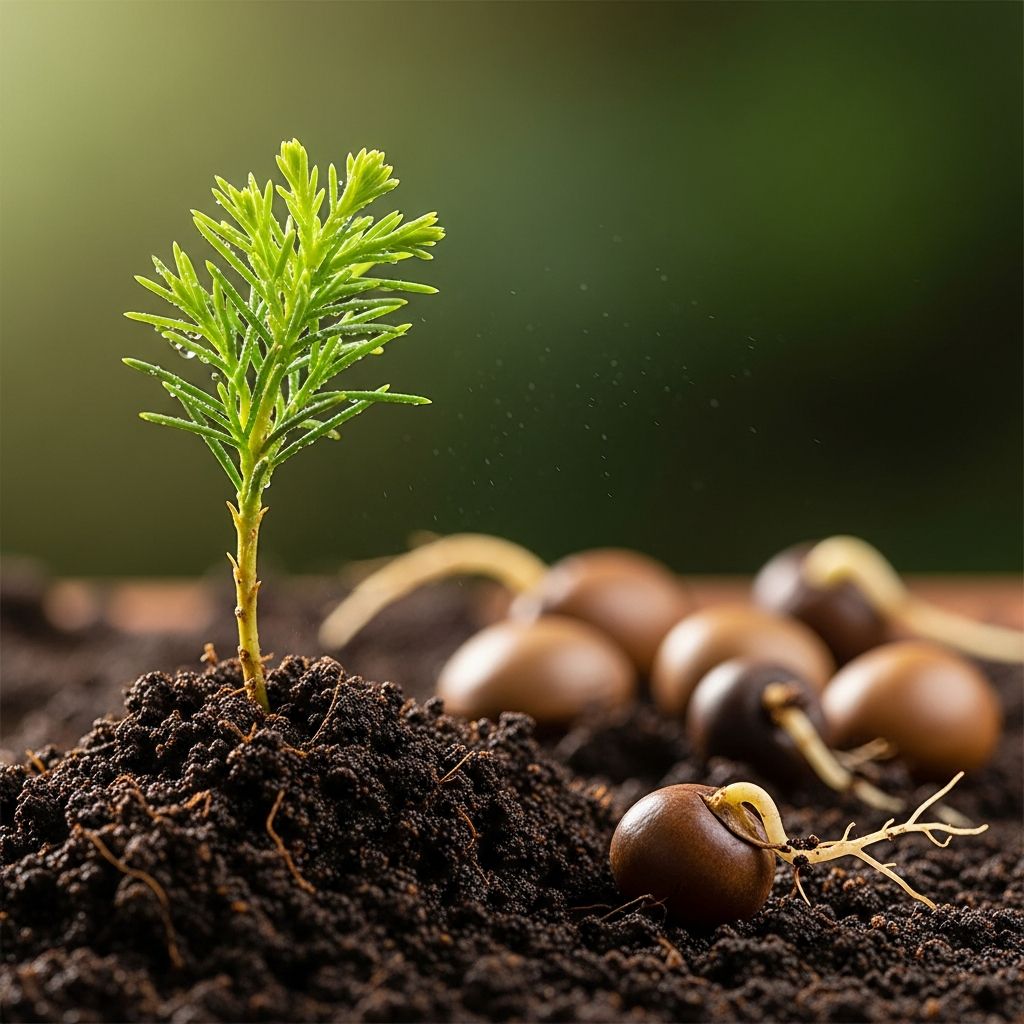
Many cypress seeds require a cold, moist period mimicking winter to break dormancy. Refrigerate bags at 34-41°F for 30-60 days, checking weekly for sprouting radicals. Mexican cypress may germinate within a month, while Monterey types might need an extra week. Plant sprouted seeds immediately, burying others shallowly after stratification.
This step boosts germination rates from under 20% to over 80%, especially in warmer climates like USDA zone 10 where natural chilling is absent.
Choosing the Perfect Time and Location for Planting
Timing aligns with local frost dates. In temperate regions, start indoors in late winter (February-March) or direct sow in fall when soil hits 65-70°F. Transplant outdoors post-frost, spacing seedlings 15-20 feet apart for mature spread.
Site selection is critical: opt for full sun (6+ hours daily) to prevent sparse growth. Most cypresses thrive in well-drained, sandy or loamy soils; bald cypress tolerates standing water. Test soil pH (5.5-7.0 ideal) and amend heavy clay with organic matter only in the top planting layer to avoid rot.
Step-by-Step Indoor Seed Starting Process
- Prepare Containers: Fill trays or pots with sterile seed-starting mix, leaving ½-inch headspace. Moisten evenly.
- Sow Seeds: Place stratified seeds ¼-½ inch deep for small varieties, 1 inch for larger like bald cypress. Cover lightly; they need minimal light but not deep burial.
- Germination Setup: Cover with plastic domes for humidity (70-80%). Maintain 65-75°F; sprouts emerge in 2-4 weeks.
- Early Care: Provide bright, indirect light. Thin seedlings to prevent damping-off, watering from below.
Transplanting Seedlings to the Garden
Once seedlings reach 4-6 inches with true leaves (8-12 weeks), harden off outdoors over 7-10 days. Dig holes twice the root ball width, no deeper, ensuring root flare sits at soil level. Backfill with native soil, tamp gently, and water deeply.
Mulch 2-3 inches thick around bases (avoid trunk contact) with bark or pine straw to retain moisture and suppress weeds. Stake tall varieties like Leyland only if windy, allowing trunk flex for strength.
Ongoing Care for Thriving Cypress Seedlings
Water new transplants weekly (1-2 inches deep) for two seasons, reducing to drought-tolerant maturity. Fertilize sparingly in early spring with balanced, slow-release formulas if growth lags; avoid excess nitrogen.
| Growth Stage | Watering | Fertilizer | Pruning |
|---|---|---|---|
| Seedling (0-1 year) | Weekly deep soak | None | None |
| Juvenile (1-3 years) | Bi-weekly, as needed | Light spring feed | Remove dead branches |
| Mature (3+ years) | Drought tolerant | Soil test-based | Early spring shaping |
Prune in late winter, cutting only green growth to maintain form—cypress rarely regrows from old wood. Monitor for pests like spider mites; healthy spacing reduces risks.
Common Challenges and Solutions
- Low Germination: Extend stratification or scarify seeds lightly with sandpaper.
- Root Rot: Ensure drainage; avoid overwatering rich soils.
- Wind Damage: Plant in sheltered spots; support rapid growers like Leyland.
- Yellowing Needles: Check for iron deficiency in alkaline soils; apply chelated supplements.
Advanced Tips for Large-Scale Propagation
For orchards or hedges, broadcast surface-sow in prepared beds after fall rain. Expect 1-year seedlings to reach 12-35 cm, ready for field planting. Overwinter in pots for zone protection, achieving 2 feet annual growth in optimal conditions.
Environmental Benefits of Home-Grown Cypress
These trees stabilize soil, provide wildlife habitat, and filter pollutants. Bald cypress suits rain gardens, while evergreens offer year-round screening.
Frequently Asked Questions (FAQs)
Do all cypress seeds need stratification?
Most Cupressus species benefit greatly; bald cypress may germinate without but faster with 30 days cold.
How long until cypress seeds sprout?
2-4 weeks post-stratification under ideal warmth and moisture.
Can I grow cypress from seeds in pots permanently?
Yes, for bonsai or patios, but repot annually and prune roots.
What’s the best soil for cypress seedlings?
Well-drained mix of sand, loam, and perlite; pH 6.0-7.0.
Are cypress trees invasive?
Fibrous roots spread horizontally but rarely damage foundations if spaced 15+ feet away.
References
- How to Plant Standing Cypress Seeds — Eden Brothers. 2023. https://grow.edenbrothers.com/planting-guides/standing-cypress-seeds/
- The Ultimate Guide to Cypress Trees: Varieties, Planting Tips — Cajun Encounters. 2023. https://www.cajunencounters.com/blog/cypress-trees
- Growing Cypress from seed – Cupressus Macrocarpa, Lusitanica etc — YouTube (TreeGuy). 2017-08-31. https://www.youtube.com/watch?v=bjl7yVAAgl8
- Planting Bald Cypress Trees — The Martha Stewart Blog. 2020-04. https://www.themarthablog.com/2020/04/planting-bald-cypress-trees.html
Similar Articles







Read full bio of medha deb