Growing Elm Trees From Seed: Complete Guide For Gardeners
Master the art of cultivating majestic elm trees starting from humble seeds with our detailed, step-by-step guide for beginners and experts alike.
Growing Elm Trees from Seed: A Complete Guide
Elm trees, known for their graceful arching branches and rapid growth, can be propagated effectively from seeds with the right techniques. This process allows gardeners to cultivate these hardy trees from local sources, potentially creating disease-resistant specimens suited to specific climates.
Understanding Elm Tree Biology and Seed Characteristics
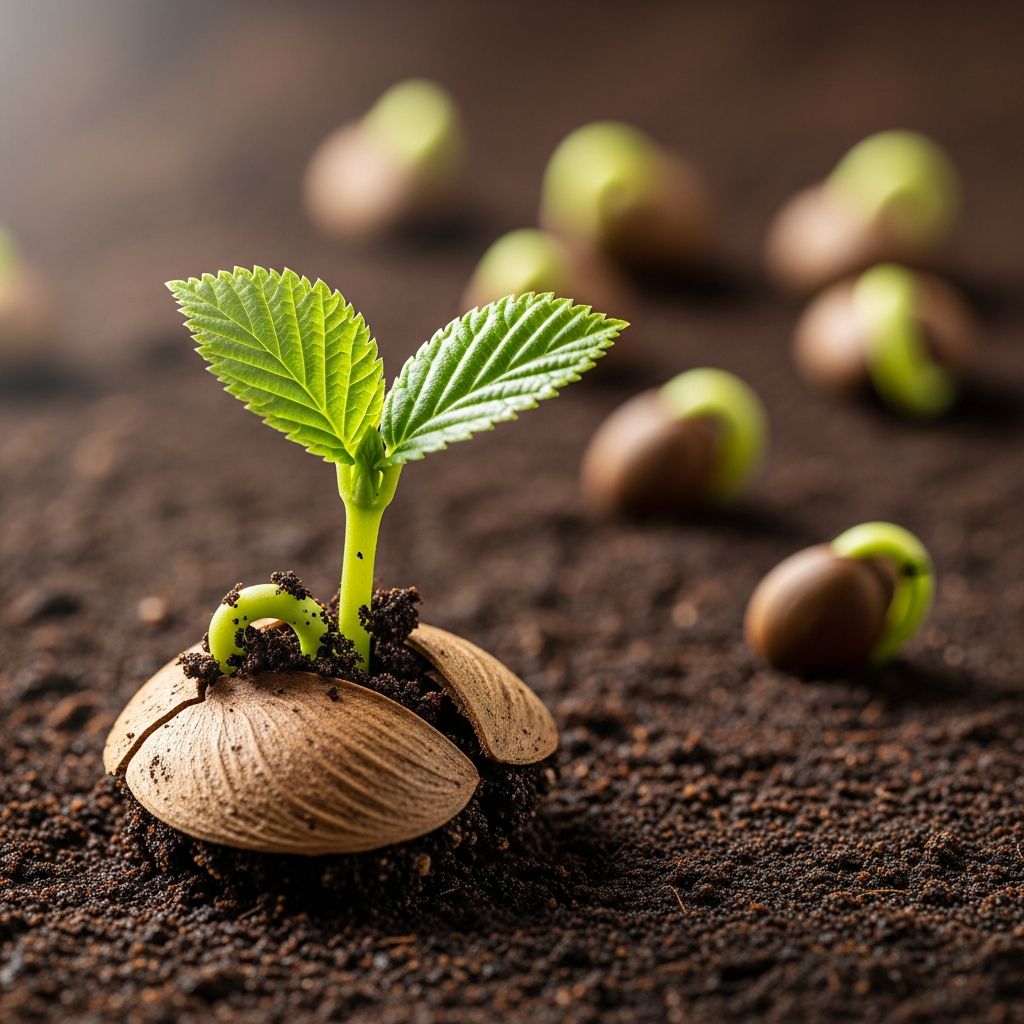
Elm trees (Ulmus species) produce distinctive samaras, which are flat, winged seeds that facilitate wind dispersal. These seeds feature a central embryo surrounded by a papery membrane, making them unique among many tree species. The ripe samara turns from green to brown or loses pigmentation, signaling readiness for collection. Germination begins with the root emerging from the seed center, followed by the shoot pushing through the wing.
Seeds are typically produced in spring by mature elms, with Siberian elms (Ulmus pumila) noted for abundant yields that sprout readily even in challenging spots like pavement cracks. Recognizing maturity is key: collect when the wing detaches easily and the seed feels firm.
Optimal Timing for Seed Collection
Harvest elm seeds in late spring or early summer when they naturally release from the tree. Wind often carries them, so monitor trees during dry, breezy periods. For best viability, gather promptly as fresh seeds germinate most reliably if sown soon after collection. If storage is needed, keep them cool and dry to preserve dormancy-breaking potential.
- Observe trees for seed clusters turning tan or brown.
- Pick on calm days to avoid losing seeds prematurely.
- Aim for seeds without visible damage or mold.
Preparing Seeds Through Stratification
Many elm seeds require cold stratification to mimic winter conditions and break dormancy. Place collected seeds in a moist medium like damp paper towels inside a sealed plastic bag. Refrigerate at 34-41°F (1-5°C) for 1-3 months, checking periodically for moisture and early sprouting.
This step is crucial for uniform germination. Without it, seeds may remain dormant for months or years. Once stratified, they are primed for planting in controlled environments like greenhouses or indoor pots.
Germination Process Step by Step
To germinate, fill pots with well-draining potting soil or a mix of sand, vermiculite, and peat. Plant seeds ¼ inch deep, covering lightly and tamping down gently. Position in a bright location with temperatures of 50-60°F (10-15°C). Keep soil consistently moist but not waterlogged.
- Moisten soil thoroughly before sowing.
- Space seeds 1-2 inches apart in trays for multiple starts.
- Maintain high humidity with a clear plastic cover until sprouts appear (7-14 days).
Seedlings emerge with cotyledons (seed leaves) first, followed by true elm-shaped leaves. The initial root forms a taproot, which anchors deeply.
Initial Seedling Care and Transplanting
Once true leaves develop, water only when the top soil dries to prevent rot. Provide bright, indirect light initially, transitioning to full sun as plants strengthen. Thin crowded seedlings to avoid competition.
Transplant to larger pots (6-12 inches) when roots fill the starter container. Use root-pruning pots like Rootmakers to encourage fibrous roots over a single taproot, promoting healthier development. A mix of bark, peat moss, and perlite works well, amended with slow-release fertilizer.
| Stage | Pot Size | Soil Mix | Watering Frequency |
|---|---|---|---|
| Germination | 2-4 inch | Potting soil + sand | Keep damp daily |
| Early Growth | 6 inch | Peat/perlite blend | Every 2-3 days |
| Established | 1 gallon+ | Bark-based with fertilizer | When dry to 1 inch |
Long-Term Cultivation and Pruning Techniques
After 2-3 months, move seedlings outdoors post-frost to full sun. Elms thrive in fertile, well-drained soil with moderate watering. Prune to shape: pinch tops to encourage bushiness and lower branch growth.
For standard trees, stake if needed and fertilize monthly during growth. In year two, repot and wire branches if developing as bonsai, selecting central leaders for structure.
Advanced Applications: Bonsai from Elm Seeds
Elm seeds excel for bonsai due to fast growth and ramification. After germination, clip taproots early (once side roots form) to develop nebari (surface roots). Plant groups of seedlings together for clump styles, wiring in year one for radial trunks.
- Year 1: Group plant, initial wiring.
- Year 2: Repot, prune tops to backbud.
- Year 3: Refine wiring, full sun for branching.
Summer wiring on bare branches sets foundational shape. Continuous tip pruning favors lower growth, mimicking mature tree proportions.
Common Challenges and Solutions
Elm seedlings face damping-off from overwatering—ensure airflow and sterile soil. Dutch Elm Disease risk is lower in home-grown trees from resistant strains; monitor for wilting.
Pests like aphids appear in dense groups; treat with insecticidal soap. Poor germination often stems from skipping stratification—always verify seed freshness.
Environmental Considerations for Success
Elms prefer USDA zones 3-9, tolerating urban pollution and clay soils. Full sun yields denser canopies; partial shade suits hotter climates. Mulch to retain moisture and suppress weeds during establishment.
FAQ
How long does it take for elm seeds to germinate?
With stratification, 1-2 weeks after planting at optimal temperatures.
Can I grow elm trees indoors permanently?
Seedlings yes, but mature elms need outdoor conditions for vigor.
What if my seeds don’t sprout?
Extend stratification or test viability by floating—sinkers are viable.
Are all elm species equal for seed growing?
Siberian and Chinese elms germinate easiest; others may vary.
When to plant elm seedlings outside?
After last frost, when above freezing consistently.
References
- ELM TREE SEEDS – Knowledgebase Question — Garden.org. Accessed 2026. https://garden.org/frogs/view/94928/
- Recognizing and germinating Elm seeds | Start bonsai from Seed — YouTube (Bonsai channel). 2023. https://www.youtube.com/watch?v=I6dP1y3poBk
- Elm Group From Seed (First Three years) — YouTube (Growing Bonsai by Jelle). 2025-03-11. https://www.youtube.com/watch?v=qbevS42r0e4
- Grow Elm Trees from Seed with Results — YouTube (Grow New Plants). 2024-07-19. https://www.youtube.com/watch?v=cq5BrEc4A7g
- Elm seeds/seedlings — TexAgs Forum. Accessed 2026. https://texags.com/forums/34/topics/3391360
- Chinese elm seed planting advice — Bonsai Nut Forum. Accessed 2026. https://www.bonsainut.com/threads/chinese-elm-seed-planting-advice.56703/
Similar Articles






Read full bio of medha deb